

News Center
A modern veterinary drug GMP pharmaceutical enterprise relying on high technology, integrating scientific research, development, production, sales and service
Diagnosis and treatment of porcine Haemophilus disease
Release time:
2023-06-08
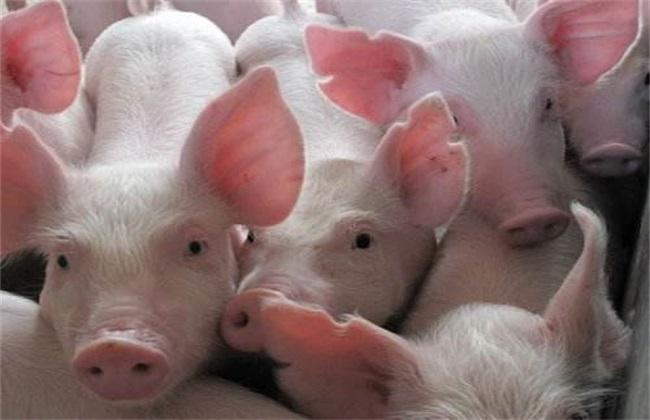
Haemophilus disease, also known as multiple fibrinous serositis and arthritis, can cause Grignard's disease in pigs. Clinically, infectious diseases characterized by elevated body temperature, joint swelling, dyspnea, polyserositis, arthritis and high mortality seriously endanger the health of piglets and young pigs. At present, Haemophilus parasuis has been affecting the development of the pig industry in the world, which has brought huge economic losses to the pig industry.
popular features
1) Haemophilus parasuis infects only pigs, especially those before and after weaning and at the nursery stage.10%~15%In severe cases, the fatality rate can reach50%.
2) have multiple serotypes. According to the serotyping method, at least Haemophilus parasuis can be divided15More than one serotype. Due to the diversity of serotypes and the poor cross-immunity between serotypes, it is very difficult for the vaccine prevention of porcine Haemophilus disease.
3) Easy to produce drug resistance. Haemophilus parasuis may be the fastest drug-resistant bacteria among all the pathogens in pig farms.
4) When systemic diseases such as blue ear disease occur, the immunity and resistance of pigs will decline, and Haemophilus parasuis will take advantage of the deficiency, causing mixed infection.
5) The pathogen is a conditional pathogen, which is often induced by factors such as poor feeding environment and stress.
6) The clinical symptoms of the pigs infected with the disease for the first time are obvious, and the losses of the pig farm are also great.
7) Great harm to pig farms. If the pig farm is infected or latently infected with Haemophilus parasuis, it is easy to cause immune failure, which will lead to mixed infection of other diseases in the pig farm and complicate the disease of the pig farm.
8) The disease is closely related to the prevalence of respiratory syndrome. When swine respiratory disease exists, it will aggravate each other's condition and clinical manifestations.
clinical symptoms
At the beginning of the onset of the disease, the pig has a high fever and persists (from onset to death, persistent high fever), body temperature40.5~42 ℃, the skin on the body surface is red, in severe cases, the sauce is red, the ears are slightly purple, and some even the skin is necrotic and shedding. Sick pigs are listless, their appetite is decreased or abandoned, they are chills, they are piled up, and they are sleepy. Cough, shortness of breath, abdominal breathing. At the later stage of the disease, the diseased pigs are progressively thinner, and their skin is gradually pale, blue and purple. Joint swelling, ataxia, eyelid subcutaneous edema, part of the sick pigs appear limb weakness, stand up difficulties, walking slowly or unwilling to stand, claudication. Coarse hair disorder (typical hairy pigs, such as hedgehog), ear miscellaneous cyanosis, systemic lymph nodes, especially the inguinal lymph nodes seriously enlarged, poor growth. Lying on the side or on the limbs before death; sometimes sudden death without obvious symptoms, if the weather changes suddenly, the death will increase.
anatomical symptoms
Pleurisy is evident (including pericarditis and pneumonia), followed by arthritis, and peritonitis and meningitis are relatively rare. With serous, cellulose exudation for inflammation (severe bean curd like) characteristics. Pulmonary interstitial edema, adhesions, pericardial effusion, rough, thickening, peritoneal effusion, hepatosplenomegaly, and abdominal adhesions, joint lesions are similar.
Inguinal lymph nodes are marble-like, submandibular lymph nodes are bleeding seriously, mesenteric lymph nodes are not obvious, liver edge is bleeding seriously, spleen has bleeding edge bulge rice-size blood bubbles, renal papilla is bleeding seriously, pig spleen edge has infarction, kidney may have bleeding spots, pulmonary interstitial edema, the most obvious is pericardial effusion, pericardial thickening, myocardial surface has a large amount of cellulose exudate, laryngeal tube has a large amount of mucus, there is a jelly-like substance in the hind limb joint.
Prevention and control suggestions
The key to the control of Haemophilus parasuis lies in preventive health care, keeping the pig farm clean and dry, thoroughly cleaning up the pig house hygiene, using2%Aqueous sodium hydroxide sprayed the floor and walls of the pigsty,2hRinse with clean water and then reuseDepkin Iodine or StaleyDisinfectant disinfection.
If there are sick pigs in the pig farm, they need to be treated with drugs.
1) Isolate sick pigs. Sick and stiff pigs with no feeding value shall be treated innocuously, and the pigsty shall be cleaned and strictly disinfected.
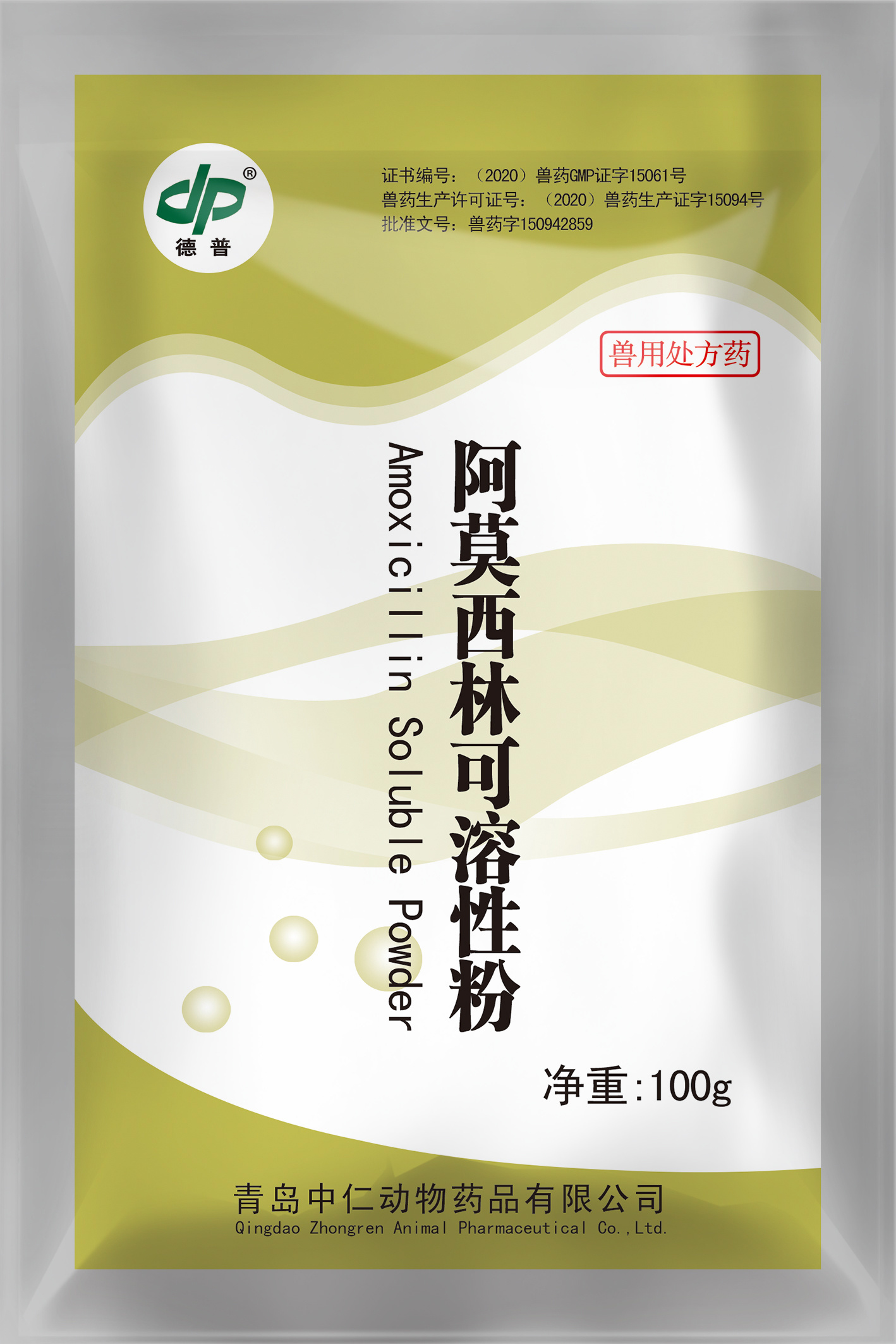
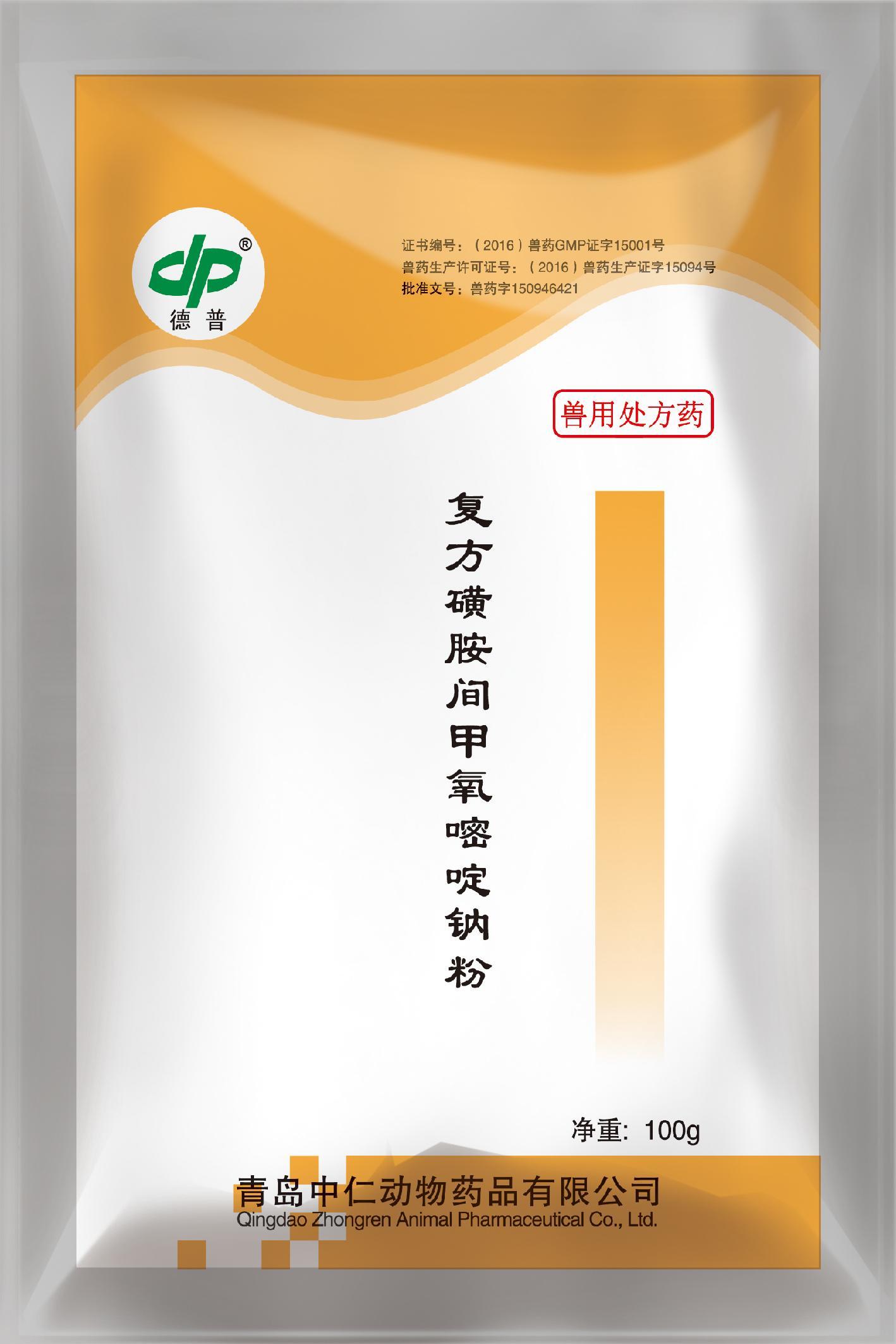
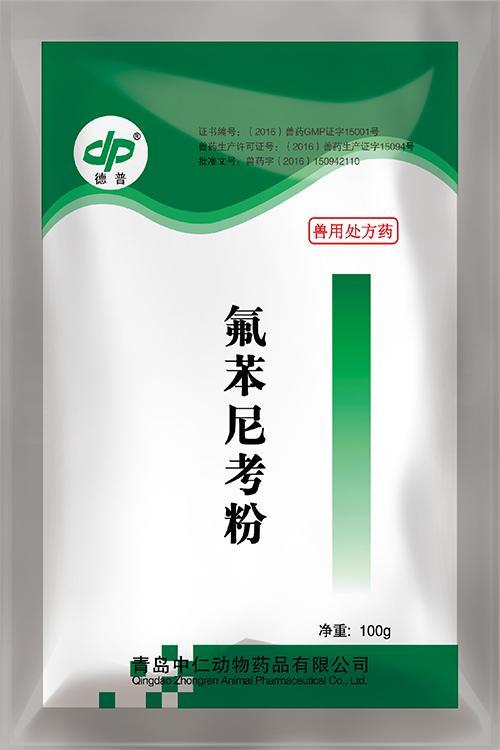
2) Medication. The disease is sensitive to sulfa drugs, florfenicol,SulfonamideBetweenAoxypyrimidine sodiumAmoxicillin, etc. Choose one kind of mixing material and use in combination7Days can reduce death. Because the pathogen is easy to produce drug resistance, it is recommended to use drugs alternately to prevent drug resistance. For individual pigs that do not eat feed or have poor appetite, drink water with amoxicillin and inject florfenicol.
3) Preventive measures. Improving feeding management, strengthening environmental disinfection, reducing various stresses, eliminating pathogenic causes, and doing a good job in the prevention of viral diseases such as blue ear disease can reduce the possibility of the disease. Preventive drugs can be added to the sow feed, suckling pig feed and nursery pig feed for one week before and after delivery to prevent the occurrence of the disease.
4) Vaccination.
More news
Contact Us
Administrative service telephone:0532-85212368
Sales Advisory Phone:0086-532-85212381
E-mail:zhongrenyaoye@126.com
Address: No.6 Road, Jiaoxi Industrial Park, Jiaozhou City, Qingdao, Shandong Province

Qingdao Zhongren Animal Medicine Co., Ltd
Zhongren Aquatic Products