

News Center
A modern veterinary drug GMP pharmaceutical enterprise relying on high technology, integrating scientific research, development, production, sales and service
The role of different organs of the immune system in poultry
Release time:
2021-08-16
The role of different organs of the immune system in poultry
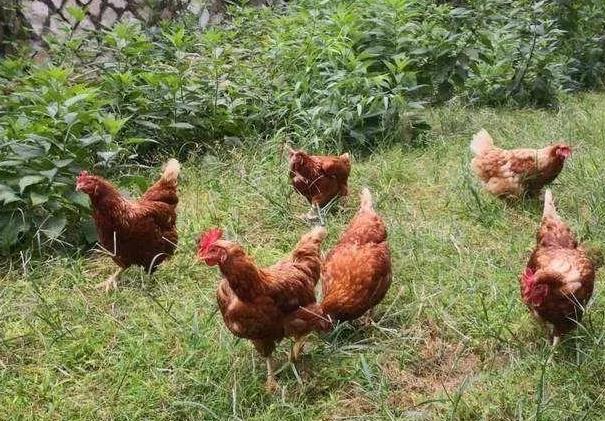
The immune system is coordinated by multiple organs of the body, which is the barrier of the body's defense against diseases and infections. The immune organs of poultry are divided into central immune organs and peripheral immune organs. The central immune organ is the place where all kinds of immune cells occur, differentiate, develop and mature. Peripheral immune organs are the sites where lymphocytes and other immune cells colonize, proliferate, and generate an immune response.
central immune organ
Thymus:The pluripotent stem cells derived from bone marrow proliferate and differentiate into mature T cells, and then migrate to the thymus dependent zone of peripheral immune organs to participate in cellular immune response. When a certain antigen enters the body, T cells and B cells make an immune response at the same time. The B cell response product is a specific antibody, and the T cell response product is an effector cell.
Bursa of Fabricius:B cell development and differentiation of the main site, but also the immunoglobulin gene differentiation and basic antibody library formation and expansion. They are important for maintaining the body's humoral immune function throughout life. If the disease or artificial reasons destroy the bursa, it will cause different degrees of B cell defects, and serum IgG, IgG A levels decreased significantly and humoral immune suppression. The earlier the destruction, the greater the harm.
Bone Marrow:It is a hematopoietic organ and an important immune organ. Bone marrow can produce a special kind of cells, called "pluripotent stem cells", which differentiate into different immune cells with the blood running to different parts of the body, and all immune cells in the body are differentiated from it. In addition, the bone marrow itself is also the site of certain immune cells, especially after degeneration of the bursa and thymus, and is the main source of adult-shaped stem cells for self-renewal of lymphocytes.
peripheral immune organs
Spleen:Mainly involved in the immune response, the formation of antibodies against antigens in the blood.
Intestinal lymphoid tissue:These include the bursa of Fabricius (central immune organ), diffuse lymphoid infiltrates of the mucosa, cecal tonsils, Meckel's diverticulum, and Peyer's patches. The cecal tonsil is a lymphoid organ that takes over its peripheral immune function after the degeneration of the bursa of Fabricius. The Meckel's diverticulum and the Peyer's assemblage of the chick mainly deal with the absorption of intestinal antigens and produce a large number of plasma cells.
Parapural lymphocytes:There are several lymphoid tissue assemblages in the parocular and paramural areas of chickens, of which the exocrine Harder's gland (I. e., accessory lacrimal gland), which is infiltrated with a large number of plasma cells in the interstitium, is the most important, which is responsible for the local immunity of the orbit, wall and upper respiratory tract.
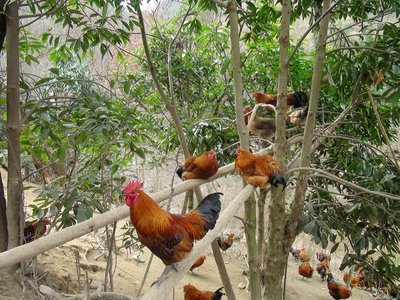
The best doctor for animals is their own immune system. Only the normal operation of the immune system, the body will be strong, in order to effectively resist the invasion of most diseases.
recommend today.
Qizhen Zengfree Granules
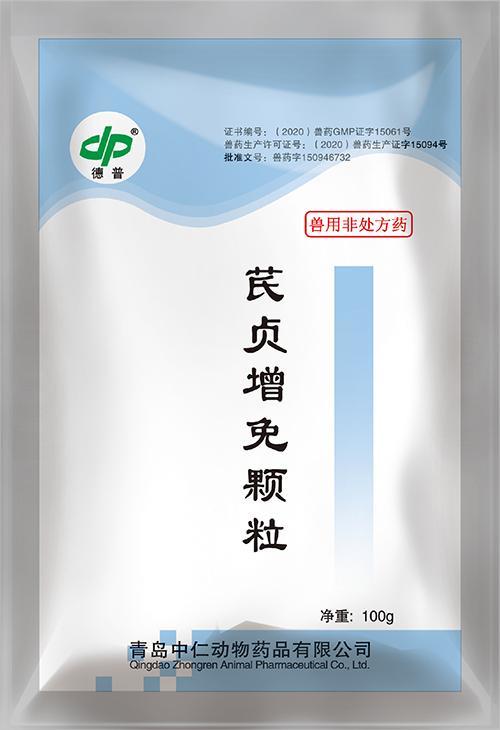
veterinary drug name]
Common name: Qizhen Zengfree Granules
main ingredient]Astragalus, Epimedium, Ligustrum lucidum.
[Sex shape]]This product is yellow-brown particles; sweet taste.
【Function]]Nourishing the liver and kidney, Qi solid table.
【Lord Treatment]]Chicken immunity is low.
Usage and dosage]Prevention: 100g of this product is mixed with 250kg ~ 300kg and 500kg ~ 600kg of water for 3~5 days.
Treatment: 100g of this product is mixed with 150kg ~ 250kg and 300kg ~ 500kg of water for 4~5 days.
【adverse reaction]]According to the prescribed dose of use, no adverse reactions.
More news
Contact Us
Administrative service telephone:0532-85212368
Sales Advisory Phone:0086-532-85212381
E-mail:zhongrenyaoye@126.com
Address: No.6 Road, Jiaoxi Industrial Park, Jiaozhou City, Qingdao, Shandong Province

Qingdao Zhongren Animal Medicine Co., Ltd
Zhongren Aquatic Products