

News Center
A modern veterinary drug GMP pharmaceutical enterprise relying on high technology, integrating scientific research, development, production, sales and service
High temperature weather increases, how do pig farms prepare for heat stress?
Release time:
2021-08-05
High temperature weather increases, how do pig farms prepare for heat stress?
Now the weather is getting hotter and hotter day by day. Pig farms should pay attention to heatstroke prevention and cooling, always pay attention to temperature changes in pig houses, and strengthen inspections of pig farms to prevent heat stress in pigs.
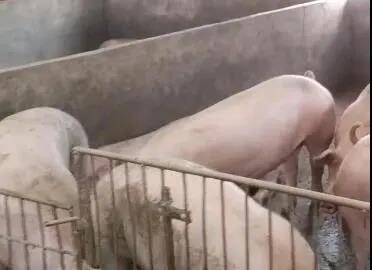
What are the signals of heat stress in 1. farms?
1, do not eat during the day, skin redness (high body temperature)
2, mouth breathing, breathing accelerated
3. Play with the drinker and spray water on the body to cool down.
4, the performance of the need for water signal, put the body close to the basin, sink
Effects of heat stress on 2. pig farms
1. Effect of heat stress on sows
The impact on empty pregnant sows is mainly to interfere with the endocrine function of sows, resulting in the decline of ovulation quantity and quality. The impact on lactating sows itself is mainly to reduce feed intake, which leads to insufficient nutrition supply, resulting in the decline of lactation of sows, extreme cases causing sows to die. Pregnant sows need a large amount of water due to reduced exercise, continuous high temperature, high humidity and other factors, resulting in sow intestinal re-induced constipation. In severe cases, miscarriage or premature delivery may occur.
2. Effect of heat stress on boars
When the ambient temperature is higher than 30 degrees Celsius, the boar will be heat stress. Once heat stress occurs, the spermatogenic function of the testis is damaged, the number of normal sperm is reduced, the number of abnormal sperm is obviously increased, on the other hand, the heat dissipation of the boar testis is difficult under the high temperature environment, which leads to the accelerated death of the generated sperm.
3. Effect of heat stress on fattening pigs
Fattening pigs feed intake decreased, nutrient intake decreased, the growth rate slowed down, and even induced latent disease. Under normal circumstances, the sensitivity of fattening pigs to heat stress increases with weight gain. At the same time, heat stress can directly cause low immunity of different pig groups, vaccine immunization can not achieve the expected effect or even immune failure, which is a negative factor that can not be ignored in pig vaccine immunization.
Solutions to 3. heat stress
1. Cool and suitable temperature environment of pig house
Piggery should be open. In order to reduce the temperature of the pigsty and maintain good ventilation, vines can be planted outside the pigsty or a pergola can be built to reduce direct sunlight. Fans and wet curtain fans can be installed in the house to promote air flow and reduce the temperature of the pigsty. Conditional automatic spray disinfection and cooling equipment can be installed.
2. Strengthen daily feeding management
To ensure that pigs have clean and sufficient drinking water, they can discharge the respiratory tract water vapor in their lungs out of the body through fast and shallow breathing, and then take away part of the heat energy in the body through water vapor. To reduce the feeding density of pigs, the feeding time can be selected in the morning or evening when the temperature is relatively low, and the feeding of green feed can be appropriately increased to relieve heat stress to a certain extent.
3, through anti-stress drugs to strengthen prevention
Animals in a state of heat stress need to adjust the acid-base balance in the body and improve disease resistance through electrolytes and multi-dimensions that relieve heat and resist heat.
More news
Contact Us
Administrative service telephone:0532-85212368
Sales Advisory Phone:0086-532-85212381
E-mail:zhongrenyaoye@126.com
Address: No.6 Road, Jiaoxi Industrial Park, Jiaozhou City, Qingdao, Shandong Province

Qingdao Zhongren Animal Medicine Co., Ltd
Zhongren Aquatic Products