

News Center
A modern veterinary drug GMP pharmaceutical enterprise relying on high technology, integrating scientific research, development, production, sales and service
Several Common Diseases and Treatment Methods Causing Pigs Lame Leg Not Standing up
Release time:
2023-05-08
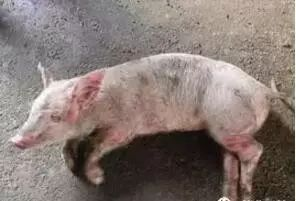
1. Streptococcal disease
Disease:
The diseased part of the leg of the pig is swollen, the pig is claudication or lying on the ground, and the common disease pig crawls on the ground with the forelimb without gasping or coughing.
Treatment plan
The disease can be selected by drug sensitivity test sensitive drugs, generally for strong sulfonamides, cephalosporins, penicillins and so on. for the joint swelling of the pig:Ceftiofurflunixin meglumine, mixed intramuscular; pigs with neurological symptoms: with sulfamonomethoxine, double for the first time. As Streptococcus suis is prone to drug resistance, the dosage of drugs should be sufficient and the course of treatment should be sufficient. The method of rotation and combination of drugs can be considered. The whole group of mixing prevention and treatment:compoundSulfonamideSodium m-Methoxypyrimidine+Amoxicillin, mixing for a week.
2. Haemophilus disease
Disease:
1) limp, difficulty standing, or even paralysis;
2) In addition, the sick pigs have symptoms of panting and coughing;
3) Leg lesions occurred joint swelling;
4) If the sick pigs are not effectively treated, the mortality rate is very high.
Treatment plan
The disease is relatively sensitive to fluoroquinolones, cephalosporins, penicillins, tetracyclines and other drugs;
Individual injection administration: immediate isolation,ceftiofur sodiumEnrofloxacin injection intramuscular injection;
Severe joint swelling of the pig: ceftiofur + flunixin intramuscular injection.
Prevention and treatment of whole group mixing: enrofloxacin +Kexi
3. Swine erysipelas
Disease:
The symptoms of swine erysipelas can be divided into acute, subacute, chronic3 cases, respectively:,
Acute type: common, low spirits, body temperature42-43 ℃ does not retreat, to sudden outbreak, death is high. Do not eat, vomiting, conjunctival congestion, dry stool, with mucus, piglet late dysentery. Ear, neck, back skin flushing, purple. Before death, there were irregular bright red patches in the armpit, in the femoral and in the abdomen, which were fused together after the acupressure faded. Death usually takes 3-4 days.
subacute type(rash type): the disease is mild, 1-2 days in different parts of the body, especially the chest side, back, neck to the whole body has obvious boundaries, round, quadrilateral, hot rash, commonly known as "fire marks", finger pressure fades. The rash piece protrudes from the skin 2-3mm, about 1 to several centimeters in size, ranging from a few to dozens, and forms a brown scab after drying up. Thirst, constipation, vomiting, high body temperature, there are also many sick pigs in the course of the disease, the symptoms worsen and turn into a septic type and die. The course of disease is about 1-2 weeks.
Chronic type: from acute type or subacute type change, also have primary, common arthritis, joint swelling, deformation, pain, claudication, stiffness. Ulcerative or cauliflower-like verrucous neoplastic endocarditis. Arrhythmia, dyspnea, anemia. The course of disease is several weeks to several months.
1) Chronic cases of swine erysipelas mainly manifested as arthritis.
Arthritis can attack one or more joints, mainly in the hind ankle, hind knee and wrist joints of nursery pigs (also found in fattening pigs).
2) suffering from reduced appetite, stiff body, limp, unwilling to move. In order to reduce pain, the center of gravity is often shifted from one leg to the other, and the limbs may contract under the abdomen.
3) presents an arched posture, unwilling to stand or unable to stand at all.
Treatment plan
The more sensitive drugs of swine erysipelas include penicillins and cephalosporins, which can be injected with ceftiofur or enrofloxacin at the early stage of the disease and added to the feed or drinking water of the affected pigs.30%Amoxicillin for prevention and treatment.
4. Foot-and-mouth disease
Disease:
1) The sick pig's body temperature rises, curls up his legs, does not want to walk, and limps.
2) Blisters were found on the hoof during examination. At first, the skin of the crown of the hoof is whitish and blisters appear, then rapidly spread to the ball joint at the back of the hoof, and then extend to the fork of the hoof, where the blisters appear as dark red patches and ulceration.
3) At this time, sick pigs often lie down or limp, knees,OffThere will be obvious trauma in joints, etc.
Treatment plan
1) Block the pig farm, pig farm full use.Depkin iodinedisinfection,1-2 times a day.
2) Group control of secondary infection:Fuzheng Jiedu Powder in FeedAmoxicillin +Li Gao Gutai; orQizhen Zengfree GranulesAmoxicillin +Li Gao Gutai;
3) UseDepkin iodineApply the affected area, and keep the column house dry and clean, which is conducive to the healing of the lesion. Streptococcus suis, vice pig, swine erysipelas, foot-and-mouth disease these four diseases are the most common cause of pain when pigs stand, resulting in pigs do not dare to stand.
5 The Parasites
Disease:
1) the parasite in the pig body mass reproduction lead to the body can not get enough nutrients, thus causing the pig leg lame or paralysis symptoms.
2) will also cause the sick pig fur unkempt, extremely slow growth.
Treatment plan
Treatment for lame legs of pigs caused by parasites is timely use of anthelmintic,Drive out in vivo and in vitro worms, malaria parasites, and provide nutritious feed to pigs to speed up the recovery of fat.
6. Lack of calcium in feed
Disease:
Some farmers often choose self-ingredients in order to save breeding costs, and self-ingredients are not well controlled, which can easily lead to insufficient nutrition. For example, adding too much bran in the feed, and the content of calcium in the bran is very low, the content of calcium in the feed can not meet the requirements of normal growth of pigs, resulting in the lack of pig leg lame disease.
Treatment plan
The treatment method of calcium deficiency in feed is to adjust the diet nutrition in time to balance. Injection of calcium chloride injection to sick pigs, or injection of calcium gluconate injection, can also be added to the pig's feed cod liver oil.
Previous:
More news
Contact Us
Administrative service telephone:0532-85212368
Sales Advisory Phone:0086-532-85212381
E-mail:zhongrenyaoye@126.com
Address: No.6 Road, Jiaoxi Industrial Park, Jiaozhou City, Qingdao, Shandong Province

Qingdao Zhongren Animal Medicine Co., Ltd
Zhongren Aquatic Products