

News Center
A modern veterinary drug GMP pharmaceutical enterprise relying on high technology, integrating scientific research, development, production, sales and service
Raising pigs in spring and preventing and controlling pig colds
Release time:
2023-04-23

Classification of 1. Colds
(1) The common cold
Also known as upper respiratory tract infection, is a non-communicable disease, upper respiratory tract refers"Cricoid cartilage" is located at a distance; caused by a variety of viruses, 30%-50% by "rhinovirus", in addition to respiratory syncytial virus, adenovirus, coronavirus, parainfluenza virus, etc., seasonal is not obvious, no fever, no chills; few complications.
(2) Influenza
namely"Influenza", a Class C infectious disease, is a systemic disease involving the upper respiratory tract! There are obvious seasonality, fever, headache, muscle soreness; because it is very easy to have secondary pneumonia, it is called "flu" within 3 days and "mixed feeling" after 3 days".
2. Swine Flu Clinical Symptoms
A, a large number of pigs suddenly onset overnight.
B, body temperature suddenly rose to 40.3-41.5 degrees.
C, the whole group suddenly reduced food by 1/3-half.
D, big pig first onset, piglet late onset or no onset.
E, individual pigs muscle and joint pain, lying on the ground, standing up trembling.
F, sneezing, coughing, nose is particularly wet, accompanied by watery tears, runny nose juice.
Epidemiological characteristics of swine influenza in 3.
A, related to monsoon coverage, after the strong wind, lie down!
B. Transmission through droplets (as distinct from high contact transmission)
C, autumn or ambient temperature fluctuations in the case of multiple.
D, acute onset, quick recovery, transient characteristics.
E. High morbidity (almost 100 per cent) and low mortality (myocarditis) (less than 1 per cent).
Pathogenesis of 4. influenza
Virus-containing droplets are inhaled into the upper respiratory tract and proliferate rapidly in the respiratory mucosal epithelium, causing epithelial cell degeneration, shedding, mucosal congestion, and edema. Begin to damage the trachea and bronchi, discharge a large amount of toxic exudate, infection of bronchioles and lung tissue, bronchial epithelial necrosis and pulmonary focal atelectasis, about the first after infection9 days cause bronchitis and pneumonia. Bronchial, alveolar septal and perivascular cellular responses culminate.
No secondary infection (mostly Pasteurelloi): lung damage quickly disappeared, rapid recovery;
There are secondary infections: fibrinous hemorrhagic pneumonia and enteritis can occur, is the main cause of death.
Prevention and treatment of 5. influenza
(1) There is no effective vaccine
Swine flu is a viral infection of the mucosal surface of the respiratory tract. Although it can produce immunity after recovery, it does not last long (About 30 days); At the same time, the virus antigen variation is frequent, which makes it difficult to develop and use the vaccine.
Because there are too many mutable species of influenza (up4.1 billion species), and the speed of mutation is far greater than the speed of vaccine development. Therefore, there is currently no swine flu vaccine with strong stability and good immune effect.
(2) Early drug prevention has no practical significance. Drugs are not vaccines and cannot be used once to protect the effect for several months.
So, when the flu outbreak, can only passively wait?-No!
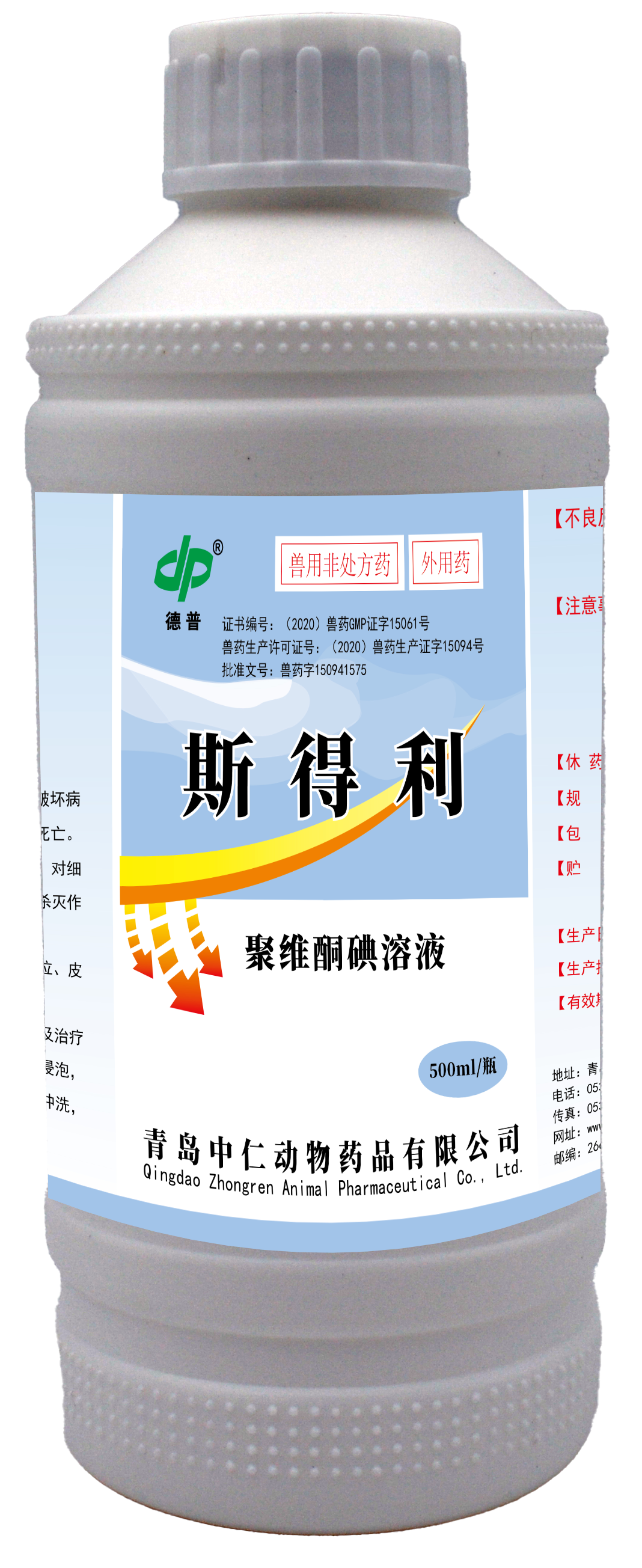
Improving the environment, isolating affected animals, strengthening disinfection (potassium hydrogen sulfate, Staley and other alternate disinfection), and enhancing the overall physique of pigs are the most positive measures to prevent and control pig colds.
Swine flu is a viral infection, there is no specific drug treatment, but after the course of the disease, most pigs can recover automatically.
Simple influenza infection: to clear away heat and detoxification, strengthening the body to eliminate evil for the treatment principle; but the clinical must consider the occurrence of mixed infection.
Treatment plan:
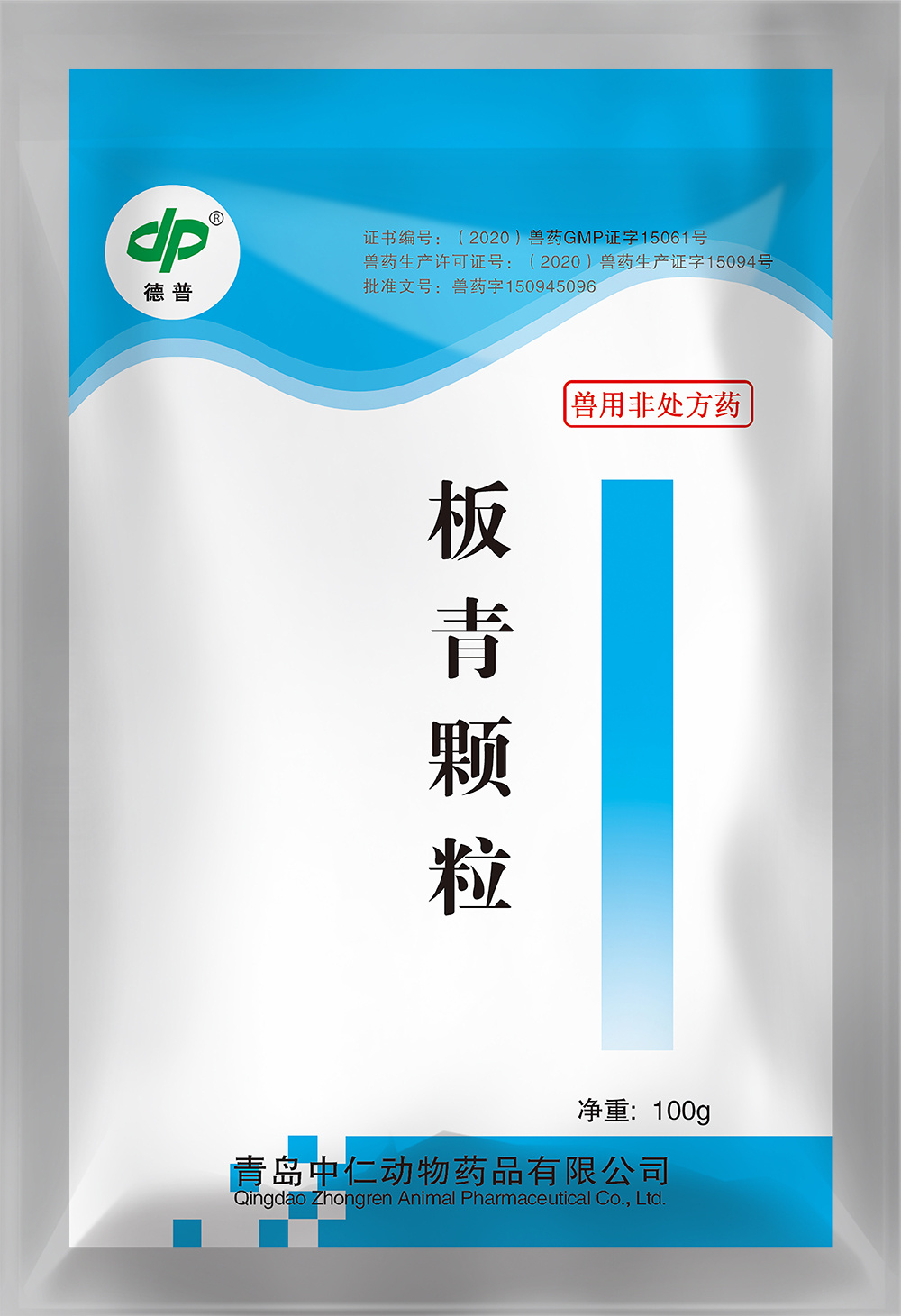
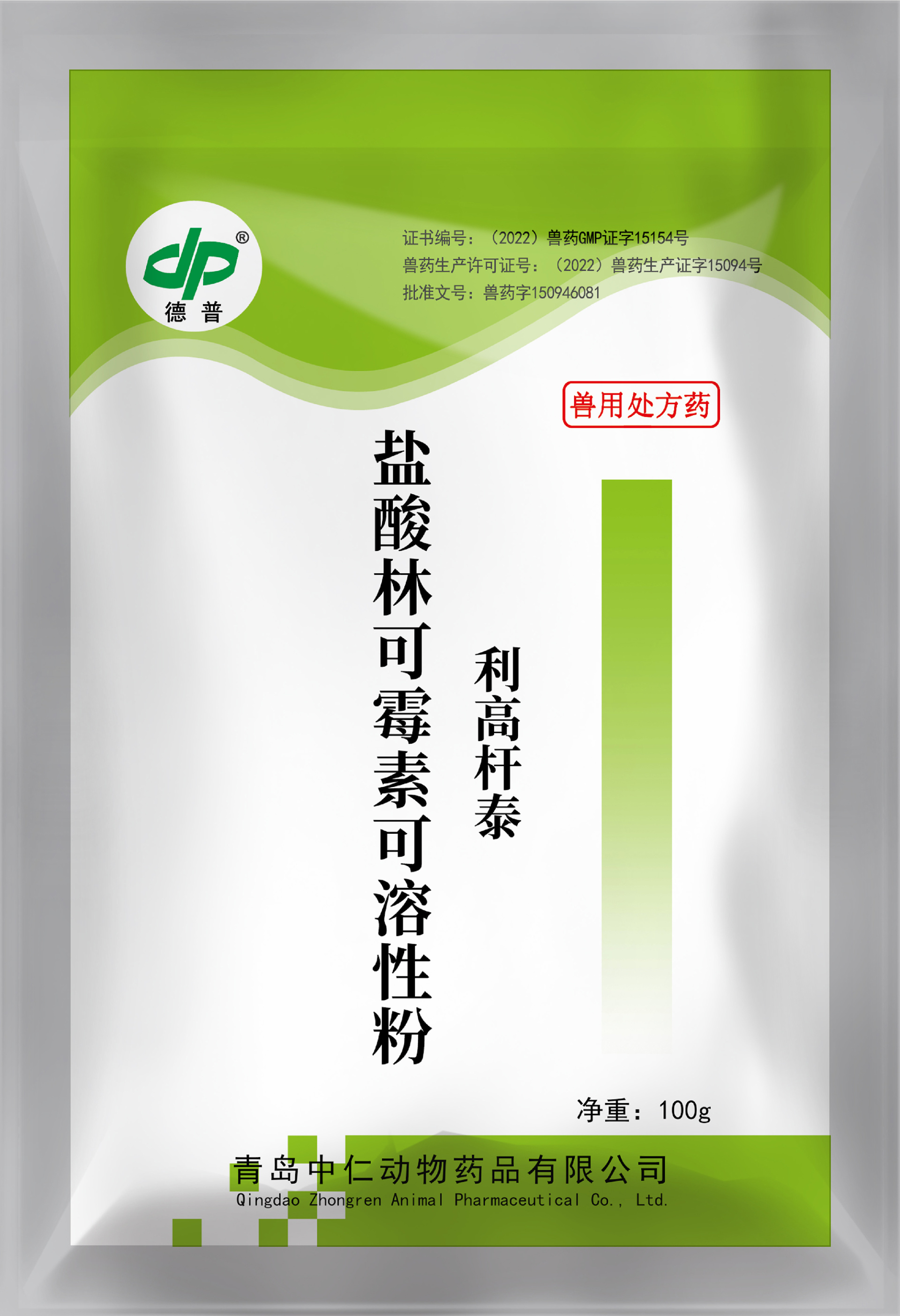
1,Panqing Granules+Rui Zhiqing+Li Gao Gutai
2. Fuzheng Jiedu San Ruizhi Qingli Gao Gan Tai
More news
Contact Us
Administrative service telephone:0532-85212368
Sales Advisory Phone:0086-532-85212381
E-mail:zhongrenyaoye@126.com
Address: No.6 Road, Jiaoxi Industrial Park, Jiaozhou City, Qingdao, Shandong Province

Qingdao Zhongren Animal Medicine Co., Ltd
Zhongren Aquatic Products