

News Center
A modern veterinary drug GMP pharmaceutical enterprise relying on high technology, integrating scientific research, development, production, sales and service
Pigs have no appetite and vomit when they eat. What's the matter?
Release time:
2023-03-31
In the process of raising pigs, we often encounter such a situation. Pigs have poor appetite, low feed intake and vomit as soon as they eat, plus low energy, black feces, pale skin and mucous membranes. If these symptoms occur, be careful of gastric ulcers.
Gastric ulcer is a common disease in pig production, and it is easy to occur in pigs at any stage. Gastric ulcer is a common disease caused by local erosion and necrosis of gastric mucosa or autodigestion to form a round ulcer surface, which can lead to gastric perforation or rapid death.
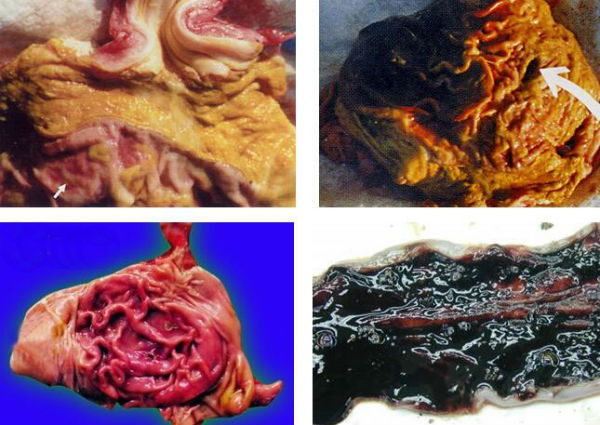
Main causes of gastric ulcer in pigs
The main causes of gastric ulcer are manifested in four aspects: First, the feed factor. The stomach is a powerful and fragile organ. The stomach is mainly used for receiving and decomposing water. The preliminary digestion of all food is very heavy. It is prone to problems under high-pressure working conditions, so we must strengthen the protection of the stomach. The feed should not be too hard or too fine during feeding, excessive weight will increase the burden on the stomach, and excessive weight will reduce the digestive ability of the stomach; the feed should not lack vitamin E, vitamin B1, selenium, etc., and the lack of nutrition will also lead to weakened gastrointestinal function or directly lead to loss of appetite; excessive unsaturated fatty acids in the feed, Feed mildew and so on are the causes of gastric ulcer. The second is environmental stress and feeding management factors, such as noise, fear, sultry, pain, pregnancy, childbirth, excessive disturbance of the herd, narrow pigsty, poor ventilation of the pigsty, poor environmental hygiene, irregular feeding, hunger when full, sudden change of feed, etc. Third, disease factors, gastric ulcer is often secondary to chronic swine erysipelas, ascaris infection, copper poisoning, bacterial infection and other diseases, so we should also pay attention to prevent the occurrence of these diseases.
How to prevent pig gastric ulcer?
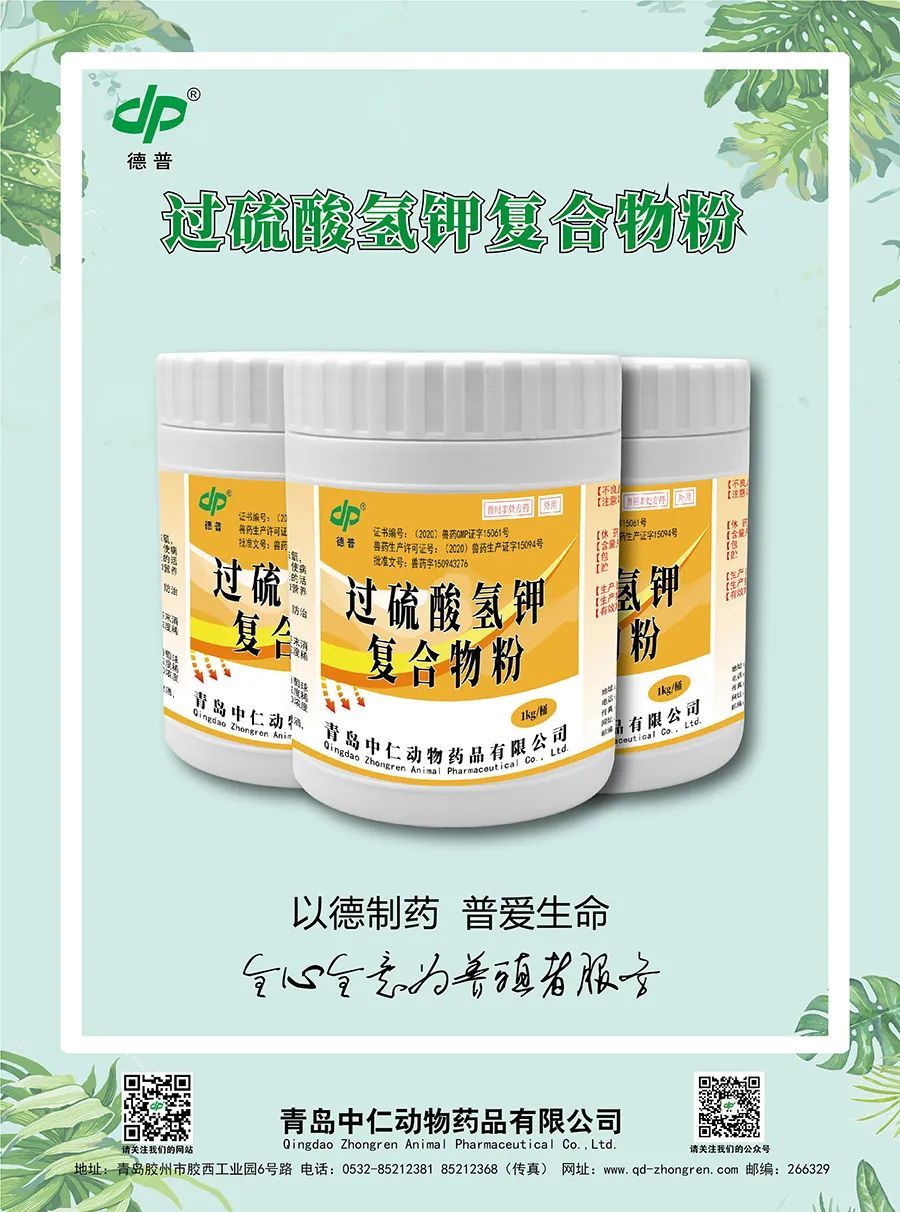
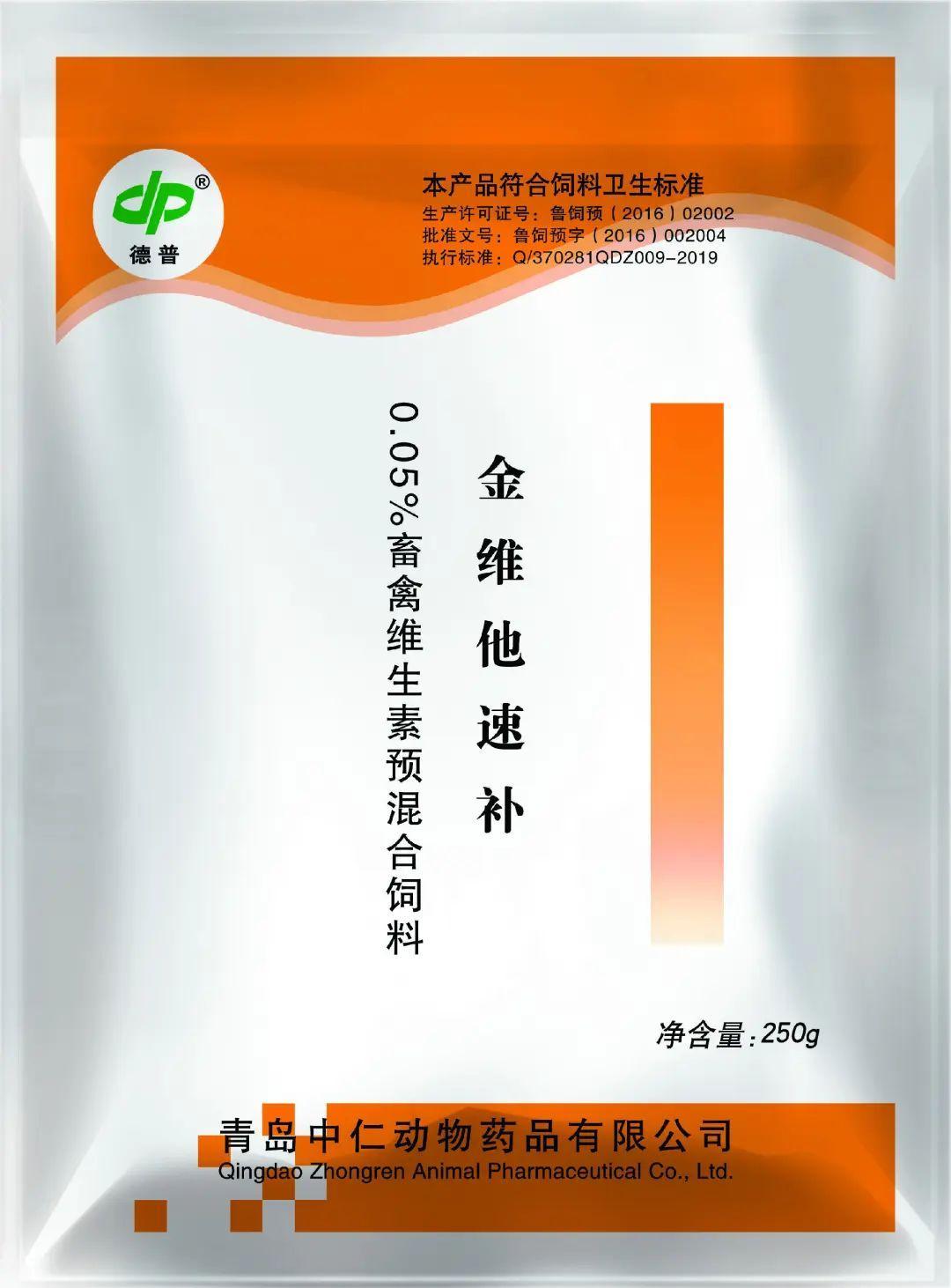
The first is to feed the thickness of moderate, to avoid feed crushed too fine or too coarse. Secondly, it is necessary to ensure that the content of vitamin E, vitamin B and selenium in the feed is sufficient. Generally, Jin Vita is added as a quick supplement. In addition, attention should be paid to reducing psychological stress such as frequent herding, transportation, driving and preventing pigs from biting each other. At the same time, the pig house should be kept warm in winter and cool in summer, well ventilated and with appropriate feeding density. The pig house should have enough space to facilitate free activities. Another important point is to ensure that the pig house has good sanitary conditions, clean up the waste and leftover materials in the trough in time, prevent excessive ammonia or moldy in the trough, and do a good job in disinfection of the pig farm, preferably 1-2 times a week. If the number and degree of disinfection can be increased according to the circumstances during the epidemic period, thorough cleaning and disinfection should be carried out during the empty period. Generally, potassium hydrogen sulfate or depukin iodine is used for alternate disinfection.
How to treat pig gastric ulcer?
Once gastric ulcer is caused, for sick pigs with mild symptoms, they should keep quiet and reduce the stress response, which can be solved by three steps. One is to neutralize gastric acid to prevent gastric mucosa from being invaded, and let pigs drink 0.5%~ 1.0 baking soda, or take 2.5% magnesium oxide or aluminum hydroxide gel orally. The second is to protect the ulcer surface and give bismuth potassium citrate 3 times a day. Three inhibition of gastric acid secretion, administration of cimetidine or ranitidine.
More news
Contact Us
Administrative service telephone:0532-85212368
Sales Advisory Phone:0086-532-85212381
E-mail:zhongrenyaoye@126.com
Address: No.6 Road, Jiaoxi Industrial Park, Jiaozhou City, Qingdao, Shandong Province

Qingdao Zhongren Animal Medicine Co., Ltd
Zhongren Aquatic Products