

News Center
A modern veterinary drug GMP pharmaceutical enterprise relying on high technology, integrating scientific research, development, production, sales and service
Common bad water quality treatment (below)
Release time:
2023-03-30
What are the reasons for the occurrence of algae in the 1.? How to deal with the algae after the water body?
(2) single algae, water body over fertilizer.
(3) lack of nutrients, algae aging.
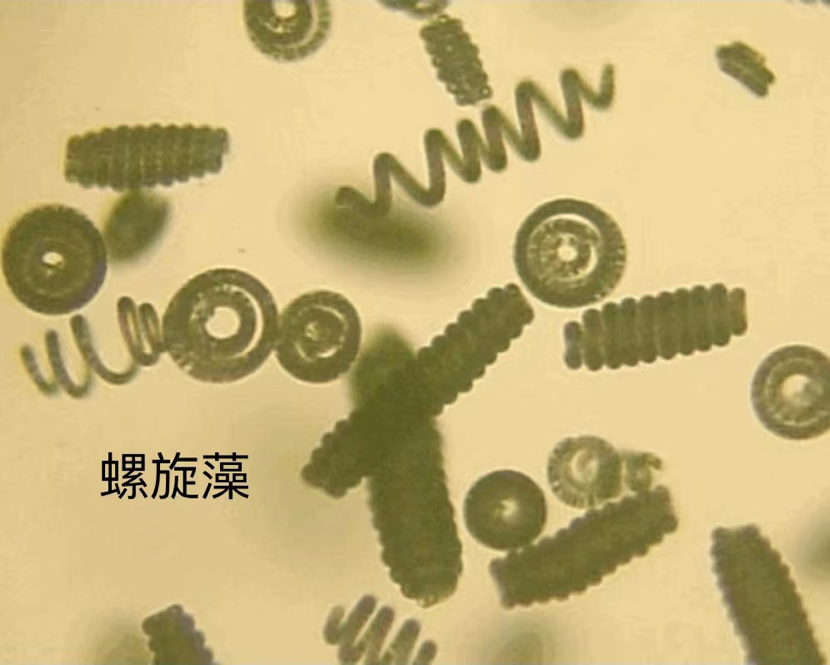
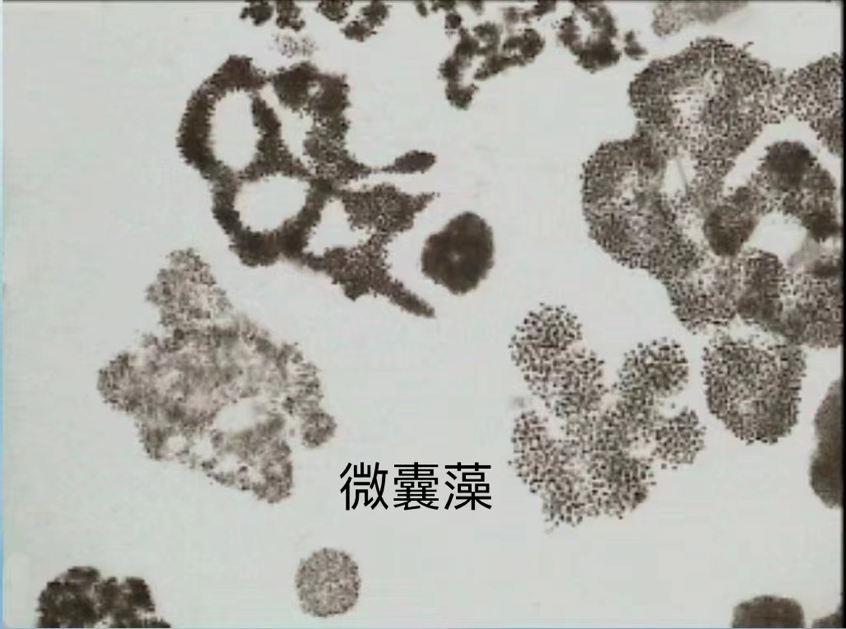
(5) high temperature is easy to cause diatoms and other inverted algae.
(6) The total alkalinity and total hardness of the water body are low, the buffer capacity of the water body is poor, and the algae are easy to fall.
(7) exogenous water toxin content is high, a large number of pumped into the cause of inverted algae.
Processing
What is the reason why the 2. water is black? How to deal with it?
Handling:Cryptophyta water should be fertilized in time,"Diatom Vang"Cooperation"Super algae species"Cultivate beneficial algae, use more"EM Golden Dew"Balanced algal phase.
(2) The temperature and weather are changeable, the water quality is unstable, and the death of beneficial algae such as algae, green algae and diatoms in ponds leads to the increase of organic matter and impurities, causing the water to turn black.
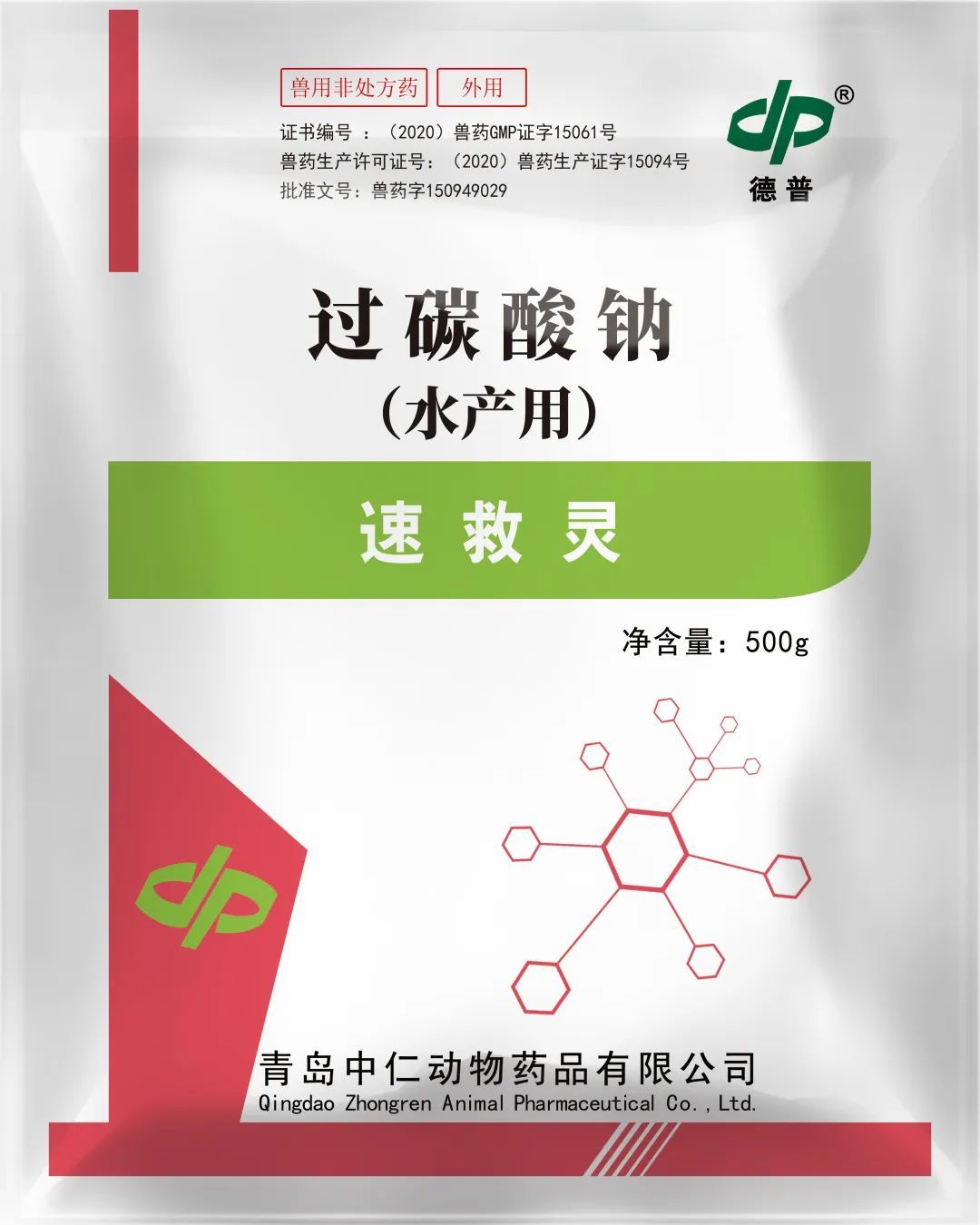
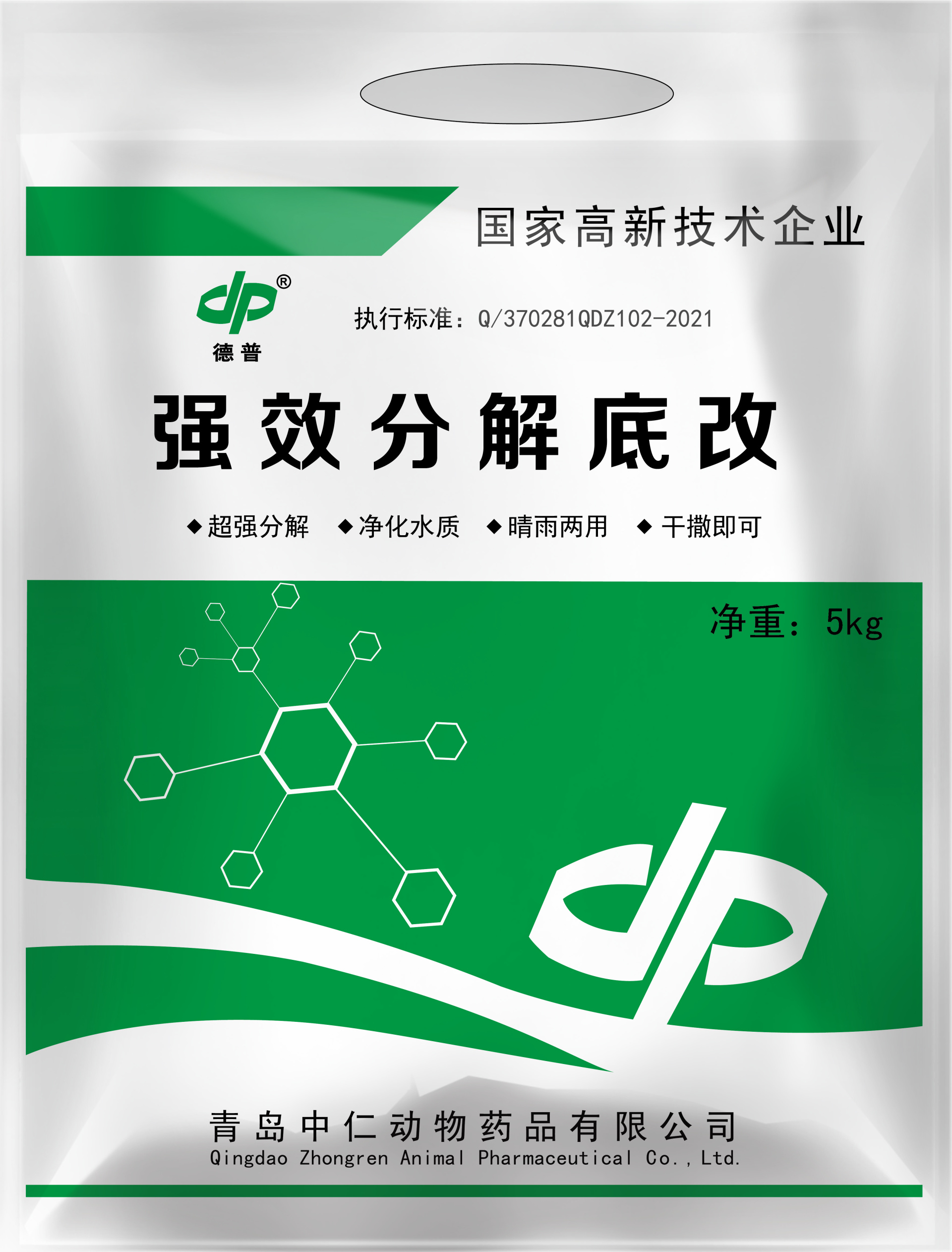
Handling:Use first"Clear water detoxification"Detoxification, again"Strong decomposition bottom reform"Change the bottom, finally"Diatom Vang"Fat water.
(3) When the Euglena blooms, the water color will be dark, showing a black green.
Processing
What is the impact of 3. thick green water on farmed animals? How to deal with it?
Processing
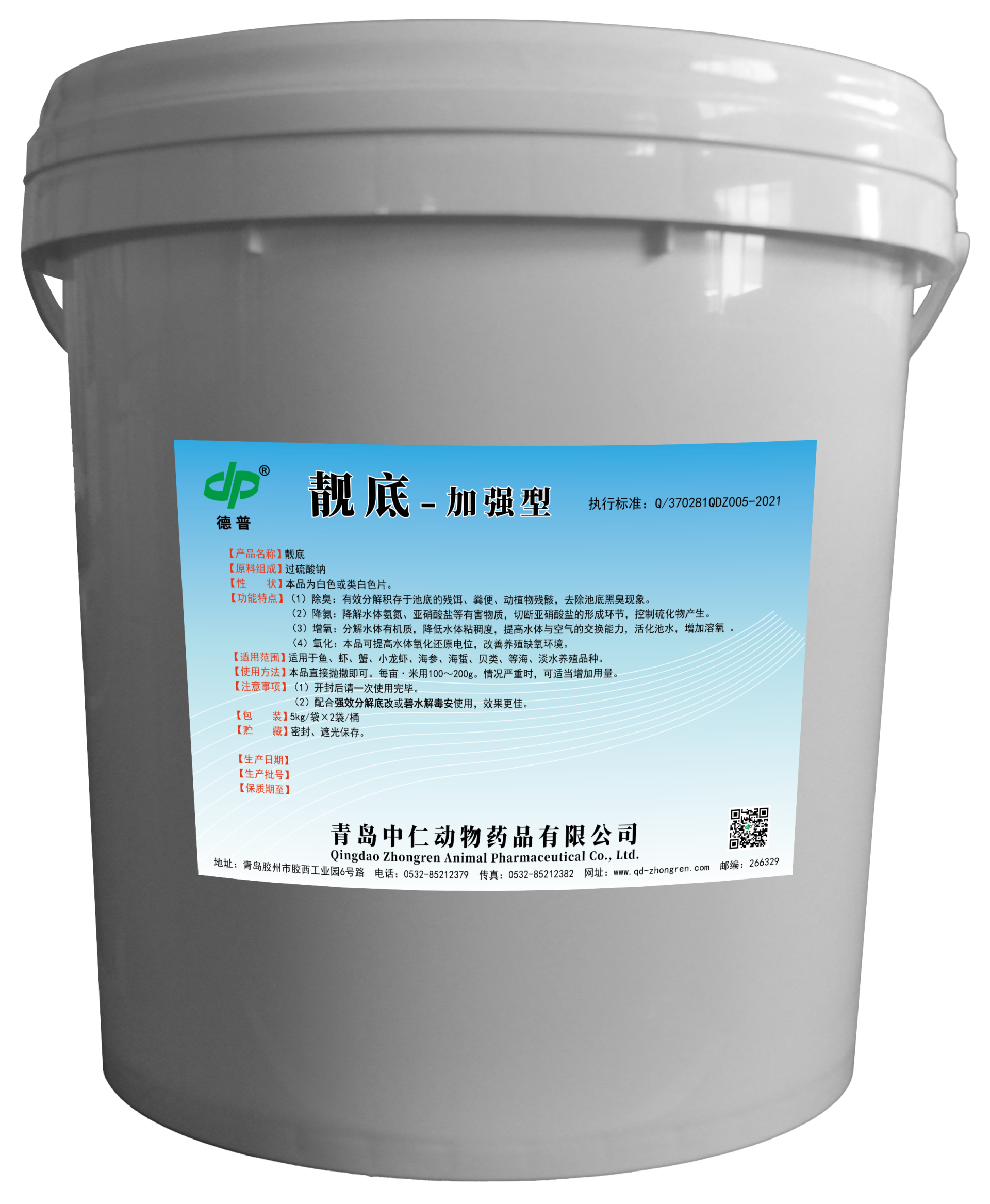
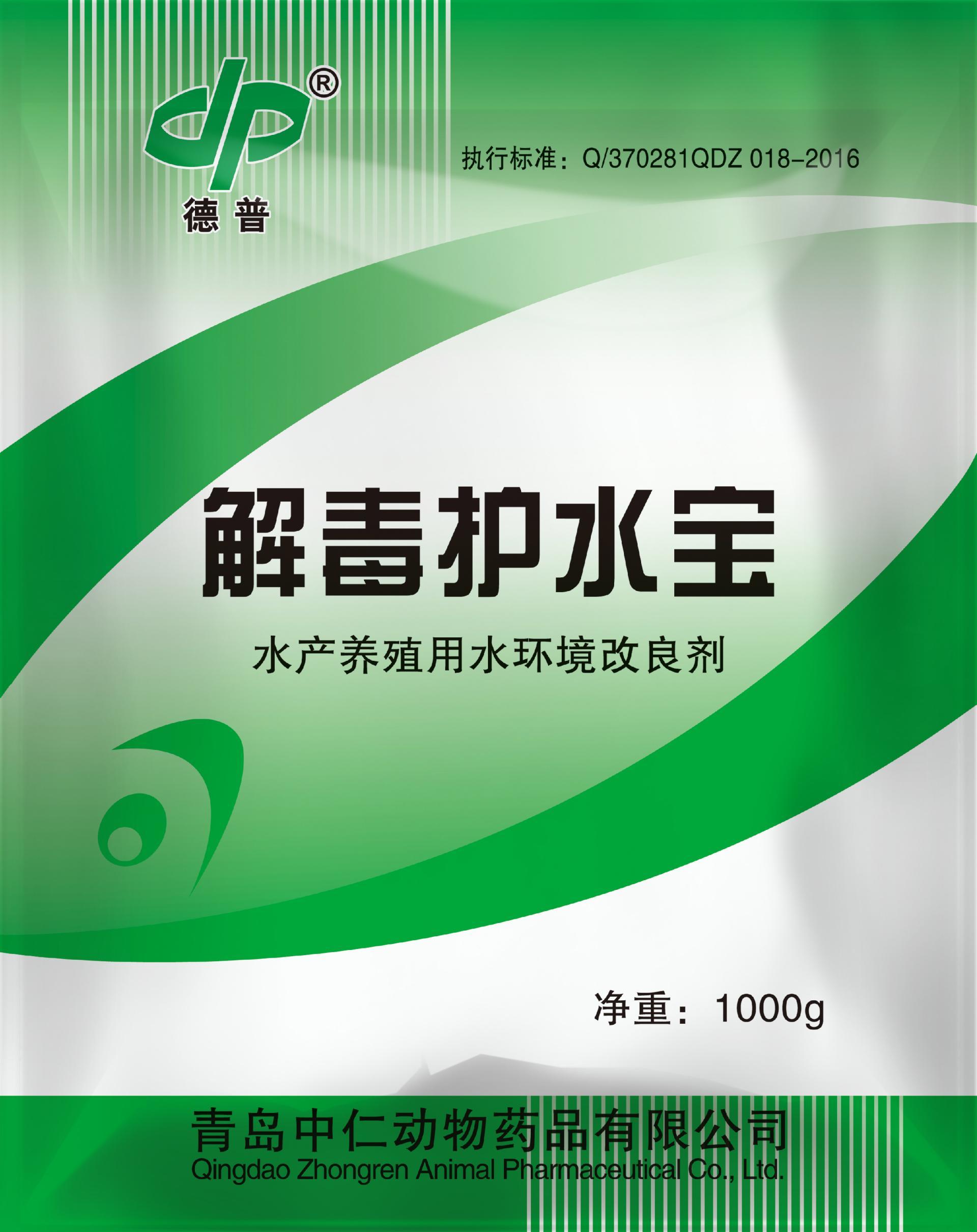
(1) If symptoms such as hypoxia and poisoning have occurred, use immediately"Detoxification and Water Protection Treasure 〞+"The oxygen bar"Detoxification and oxygenation.
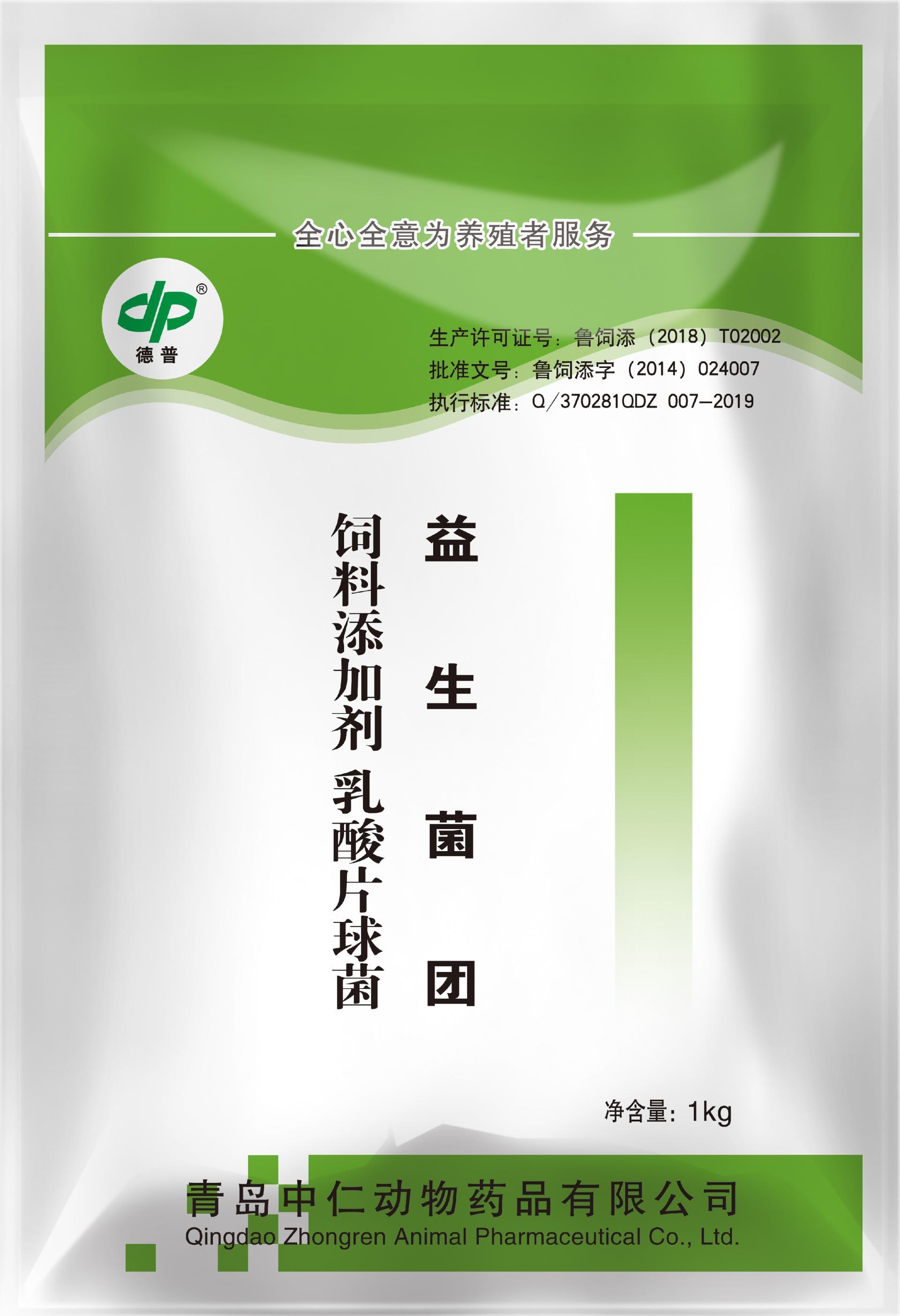
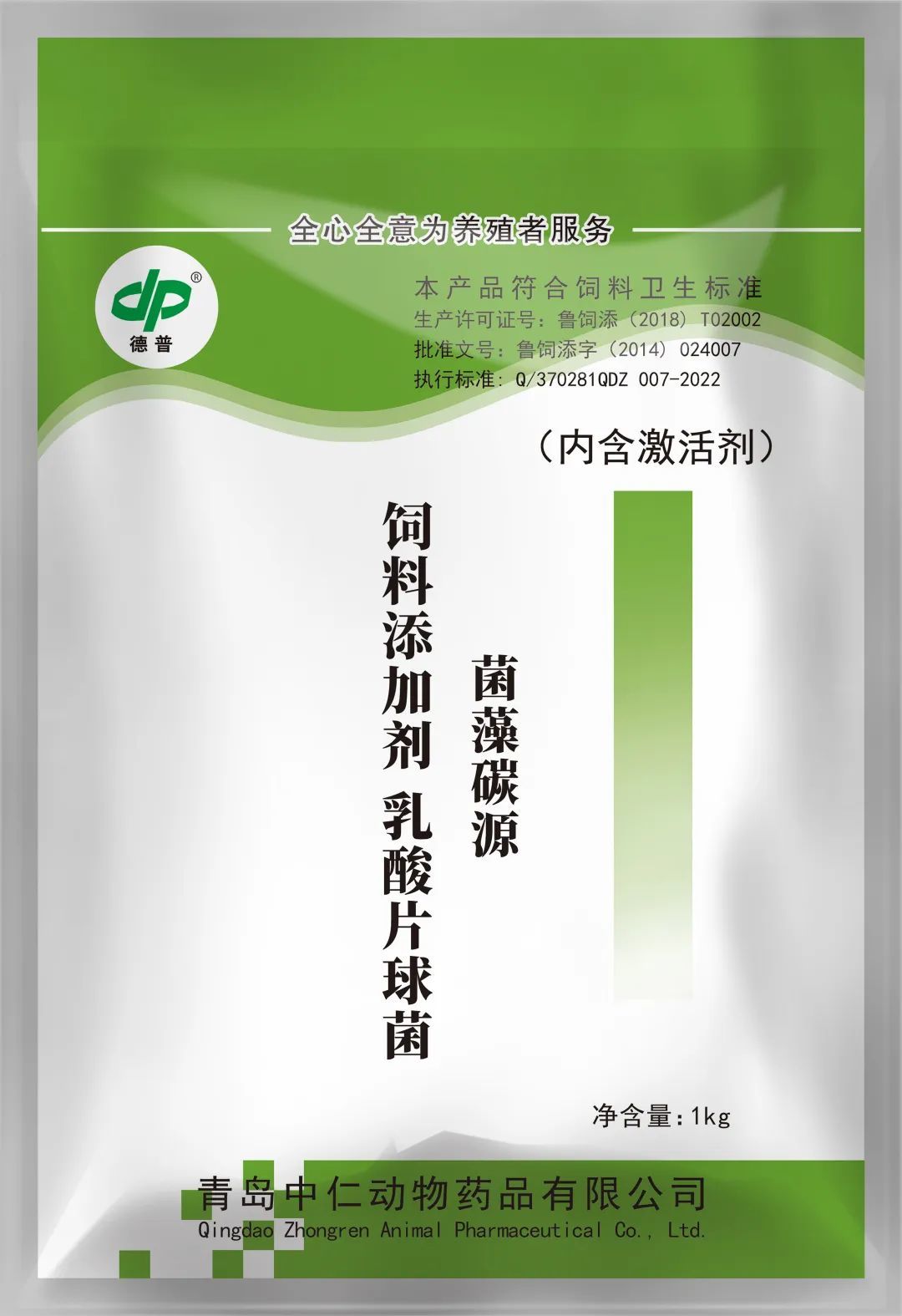
(2) found that algae began to age, use"Probiotic mass 〞Cooperation"Lactobacillus stock solution"Timely decomposition of aging dead algae, improve transparency,"Nut enzyme fertilizer"Nutrient algae, rapid cultivation of new algae.
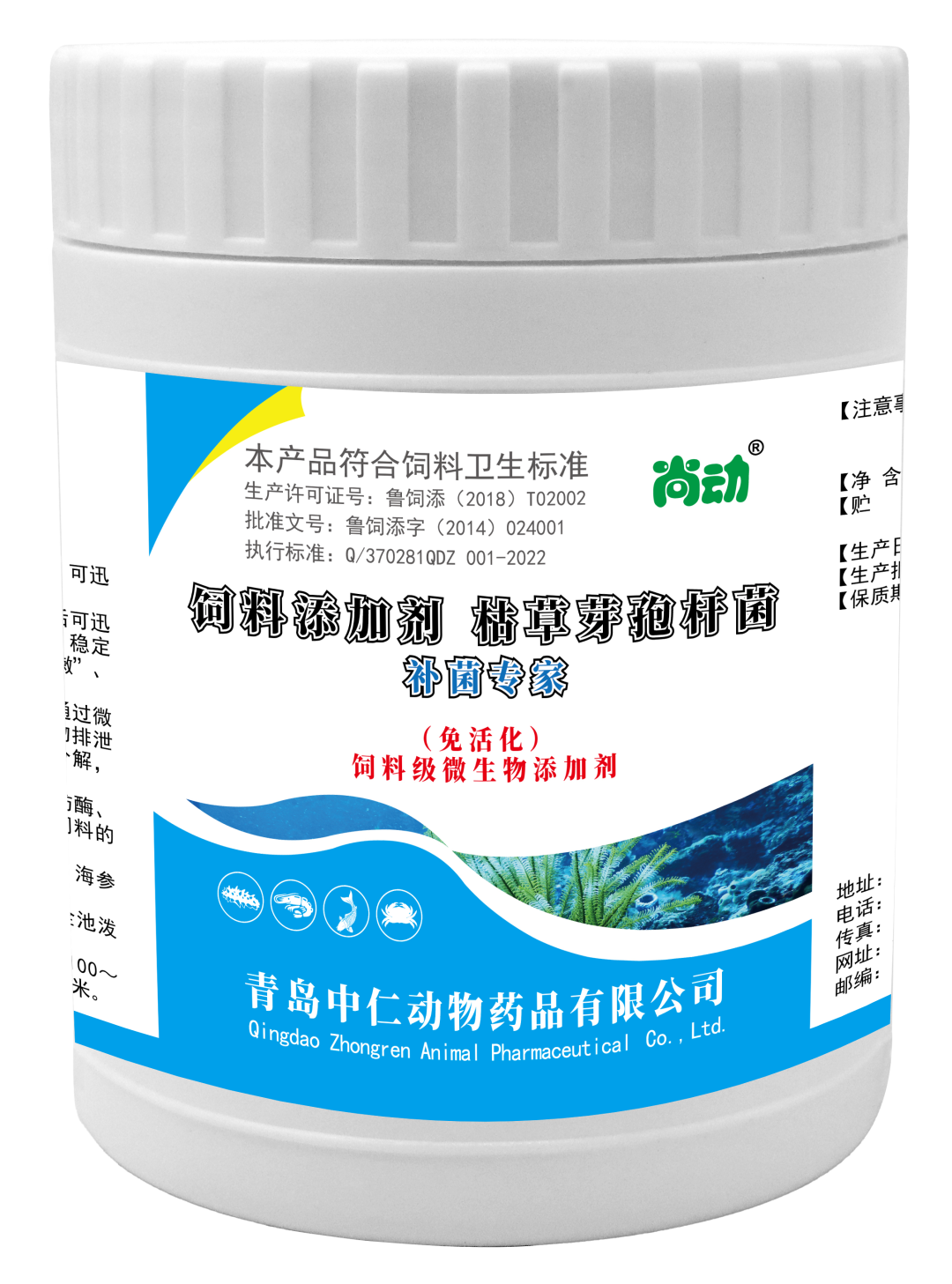
(3) If the amount of fertilizer used in a single application is too large and the top dressing is not applied for a long time, it is easy to cause aging after the water is over-fertilized. Periodically available"Bacteria supplement expert"Cooperation"Quick-acting fertilizer and water essence"Supplement bacteria and fertilizer, a small number of times.
What are the effects of 4. microcystin on the shrimp body? How to deal with it?
Impact
(1) cyanobacterial toxins: cyanobacterial toxins are generally produced and present in cyanobacterial cells. When cyanobacterial cells age, die and rupture, they will be released into the water. They not only destroy the structure of liver cells, but also survive in the intestines and stomach. In the early stage of prawn culture, shrimp seedlings are poisoned when they eat algal toxins, and the food intake drops or even does not eat, which affects the growth of prawn, moves slowly to the side, lesions occur in the hepatopancreas, and then a large number of deaths occur.
(2) Euglenotoxin: The main harm is that strong photosynthesis can easily lead to an increase in pH value, induce gill rot, and it is not easy to digest after being filtered by prawns, which can easily lead to enteritis and white stool.
(3) dinotoxin: mainly produced by the naked dinoflagellate, dinoflagellate algae toxin. Nude dinoflagellate and polydinoflagellate can secrete a very stable chemical composition of dinoflagellate toxin, these toxins can be divided into neurotoxin, paralytic toxin and hemolytic toxin, the animal's myocardial respiration and nerve center play a hindering role, or have hemolytic effect. A large outbreak of dinoflagellates can cause shrimp to swim in the pond, climb the edge, and steal to death.
(4) Golden algae toxin: mainly cytotoxin, hemolytic toxin and fish toxin produced by golden algae, etc., the impact on shrimp is much smaller than that of fish, mainly destroying the gill tissue of shrimp, causing shrimp not to eat, motionless underwater (dark floating head), toxicity increases with the increase of pH value, inhibited by cyanobacteria and green algae in high temperature period, and easy to break out in low temperature period and two later, suitable for nitrogen deficiency and excess phosphorus water.
Processing
(2) Regular delivery of beneficial microbial agents: such"Lactic acid bacteria stock solution, EM golden dew, bacteria algae carbon source"Through ecological competition, timely degradation of organic oxygen consumption into the water body, purification of water quality, balance of algae and bacteria.
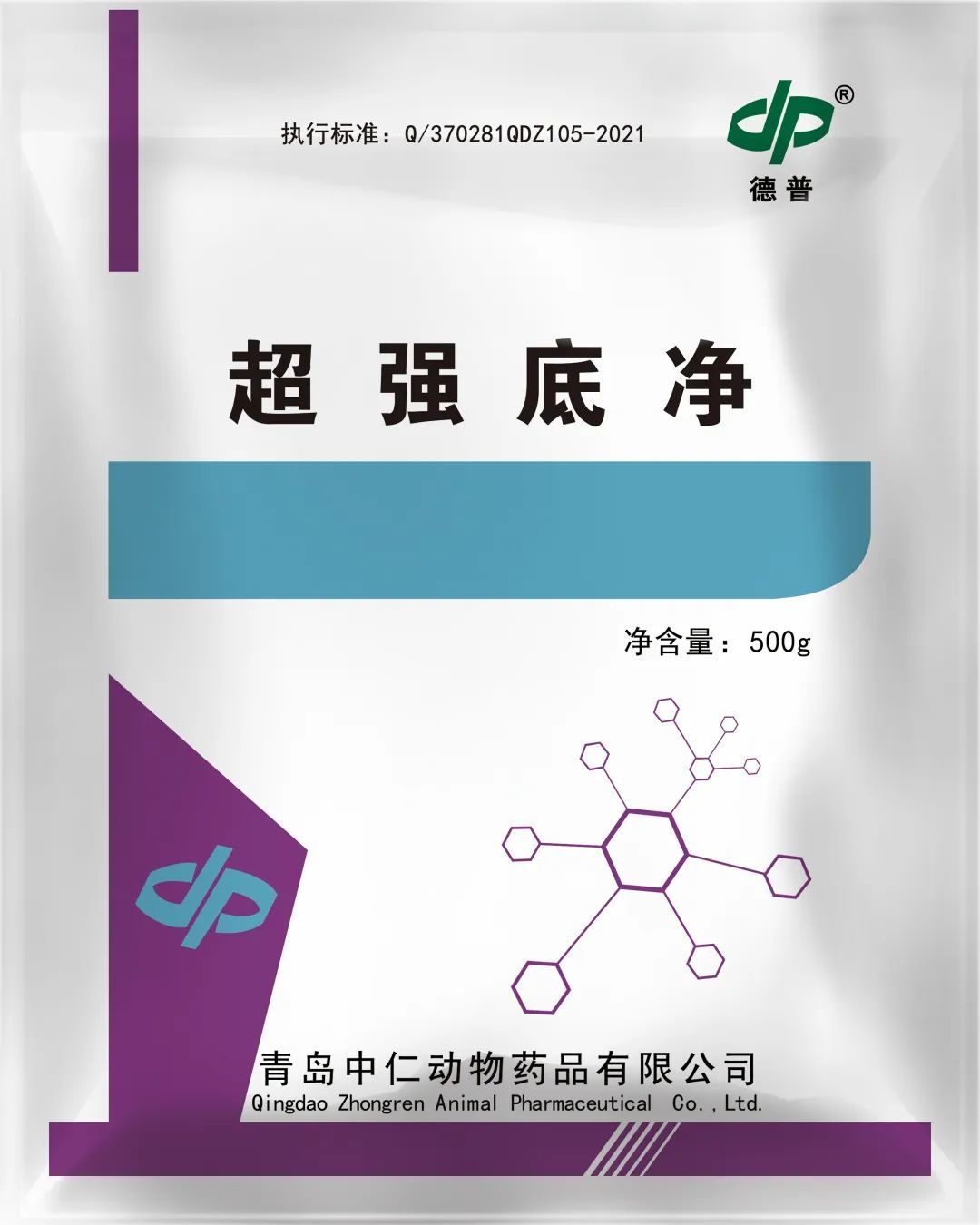
(3) Regular use of oxidized bottom modification in the breeding process:"Super clean bottom, beautiful bottom"Timely decomposition of excess organic matter at the bottom of the pool to prevent the outbreak of dinoflagellates such as Euglena and dinoflagellates.
(4) Do not use chemical agents to kill algae. The negative effect on the environment is large, often causing harm to farmed animals, causing poisoning and hypoxia death, it is recommended not to use chemical agents to kill algae.
(5) Trichinella treatment can use large doses of nitrogen fertilizer, 10kg per mu of ammonium sulfate to supplement the lack of nitrogen source in the water body.
This article: Liu Changming
Editor Review: Zang Xueyun
More news
Contact Us
Administrative service telephone:0532-85212368
Sales Advisory Phone:0086-532-85212381
E-mail:zhongrenyaoye@126.com
Address: No.6 Road, Jiaoxi Industrial Park, Jiaozhou City, Qingdao, Shandong Province

Qingdao Zhongren Animal Medicine Co., Ltd
Zhongren Aquatic Products