

News Center
A modern veterinary drug GMP pharmaceutical enterprise relying on high technology, integrating scientific research, development, production, sales and service
Symptoms and treatment of chicken typhoid fever
Release time:
2021-12-08
Symptoms and treatment of chicken typhoid fever
1. chicken typhoid fever symptoms
1. Clinical symptoms
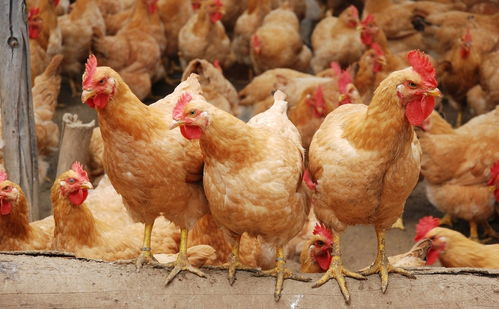
Acute cases often do not see any warning and several chickens die suddenly, followed by an increase in the incidence rate, mainly manifested as elevated body temperature, respiratory growth, depression, loss of appetite, thirst, cyanosis or pallor of cockscomb and meat beard, and discharge watery yellow and white feces with foul smell. In severe cases, the course of disease can last for about 1 week, with a mortality rate of 5%-30%. Adult chickens may become asymptomatic chickens with bacteria, and individual diseased chickens may have chronic peritonitis and often stand in penguin style.
Although chicken typhoid fever is common in growing and adult chickens, infection can also occur in chicks transmitted through the egg. The symptoms of chicks cannot be distinguished from those of pullorum. Frequent dead chicks and dead chicks can be seen in the hatchlings. The sick chicks are sleepy, grow poorly, weak, do not eat, and have white feces around their anus. Symptoms of dyspnea and panting often occur as a result of lung damage.
2. Anatomical symptoms
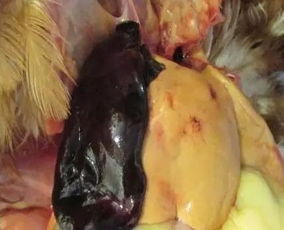
Acute cases of death autopsy lesions are not obvious; acute cases of common liver, spleen, kidney hyperemia. The characteristic lesions of subacute and chronic cases are hepatomegaly with copper-green, miliary large gray-white or light yellow necrotic foci; gallbladder cysts are large and filled with green oily bile; splenomegaly often has miliary-sized necrotic foci; gray-white necrotic spots can be seen on the surface of myocardium, and pericarditis can occur in the elderly with longer course of disease; renal enlargement and congestion; intestinal catarrhal inflammation. Hen ovarian atrophy, common part of the developing follicle congestion, discoloration or deformation, sometimes follicle rupture caused by peritonitis, internal bleeding and death, rooster testis visible necrosis of varying sizes.
2. Chicken Typhoid Fever Treatment
1. Sulfamonomethoxine sodium florfenicol powder for 4-5 days.
2. Use it for 4-5 days. If the disease is mild, use it alone.
Product Details
veterinary drug name]
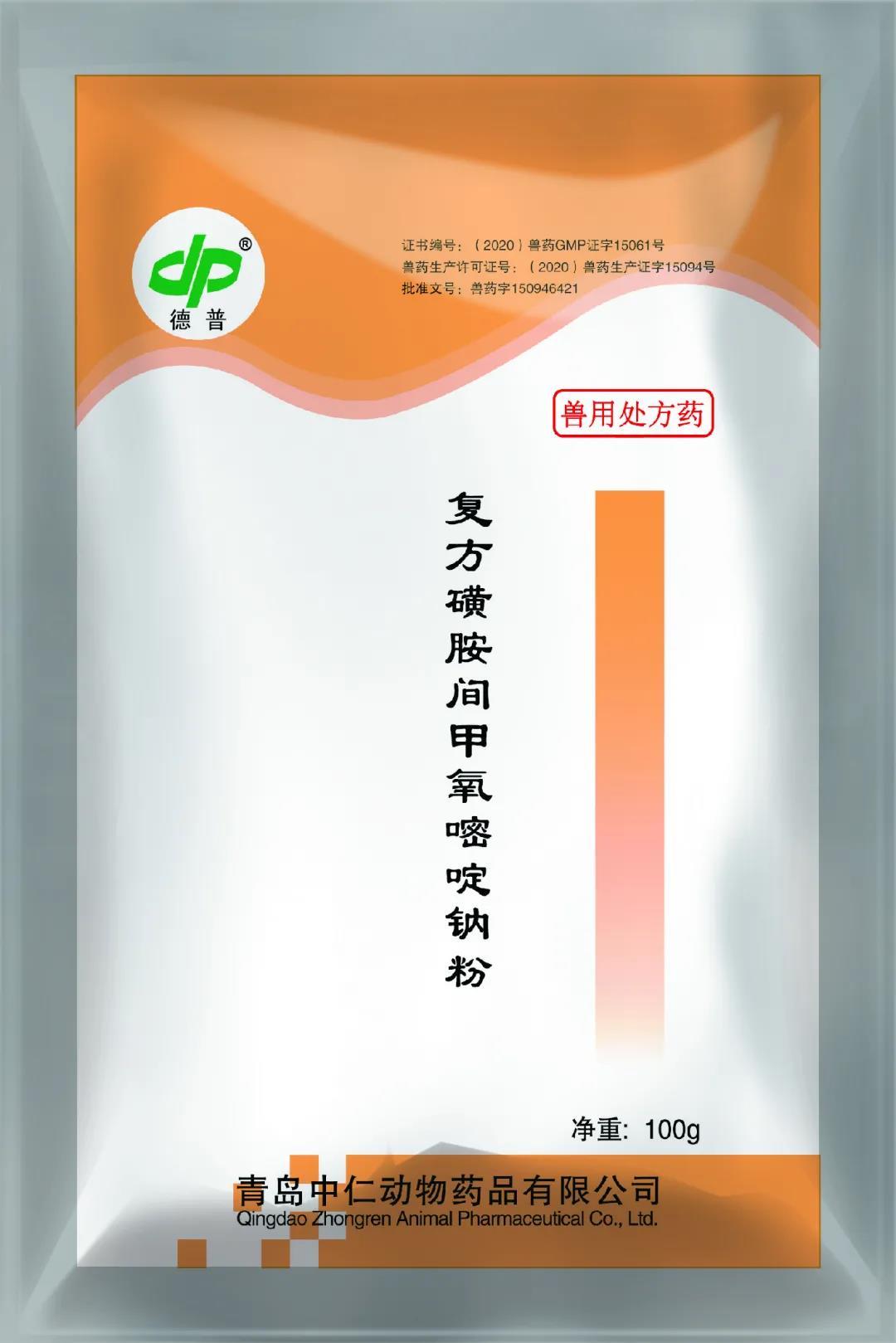
Common Name: Compound Sulfamonomethoxine Sodium Powder
main ingredient]Sulfamonomethoxine sodium, trimethoprim
[Sex shape]]This product is white or almost white powder.
【role and use]]Sulfonamides. For sensitive bacteria caused by respiratory tract, gastrointestinal tract, urinary tract infection and coccidiosis, toxoplasmosis, etc.
Usage and dosage] Mixing or drinking water: 1. raccoons, foxes and minks 0.1~0.15 g/kg body weight, I .e. 100g of this product can be used for 500~800 minks or 300~500 fox and raccoon dogs once a day for 3-5 days. 2. Livestock and poultry: 100g of this product is mixed with 100kg of material or 200kg of water for 3-5 days.
【Adverse reaction]]Long-term or heavy use can damage the kidneys and nervous system, affect weight gain, and may cause sulfa poisoning.
【Precautions]](1) Continuous medication should not exceed 1 week.
(2) For long-term use, sodium bicarbonate should be taken at the same time to alkalize urine.
veterinary drug name]
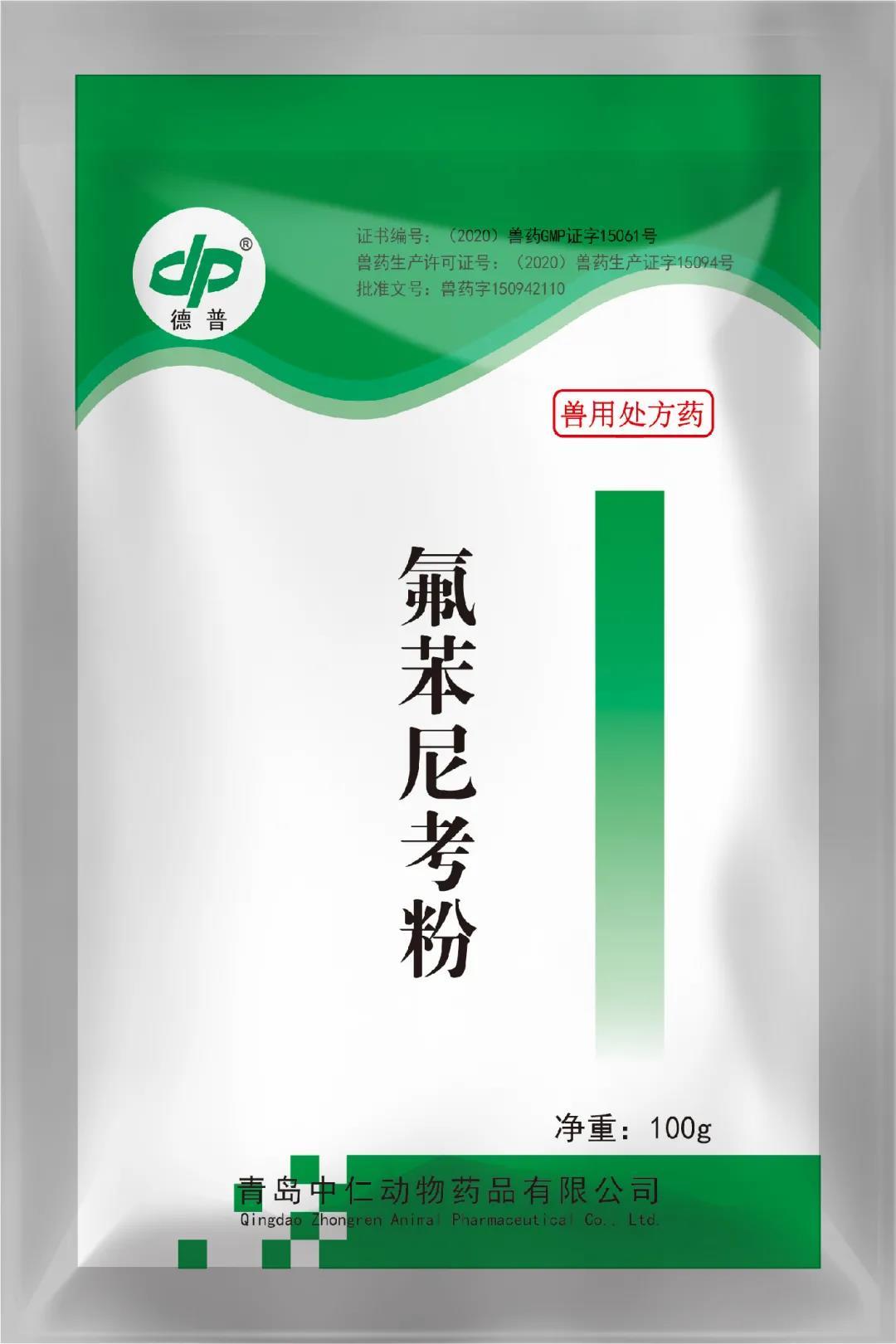
Common Name: Florfenicol Powder
【Main ingredients] florfenicol
character]This product is white or almost white powder.
Proof.
【role and use]]Amide alcohol antibiotics. It is used for bacterial diseases caused by Pasteuli and E. coli.
Usage and dosage](1) Poultry: 100g of this product is mixed with 200 ㎏ water, and the dosage is calculated according to the amount of drinking water throughout the day. 3~5 days for a course of treatment.
(2) pigs and calves: 0.2g ~ 0.25g/kg body weight, taken orally twice a day for 3~5 days.
adverse reaction](1) This product is higher than the recommend dose when used with a certain immunosuppressive effect.
(2) Embryonic toxicity, pregnancy and lactation livestock with caution.
[Note]](1) the laying period of laying hens is prohibited.
(2) the vaccination period or the immune function of the serious defect of the animal is contraindicated.
(3) animals suffering from renal insufficiency need to be appropriately reduced or extended administration interval.
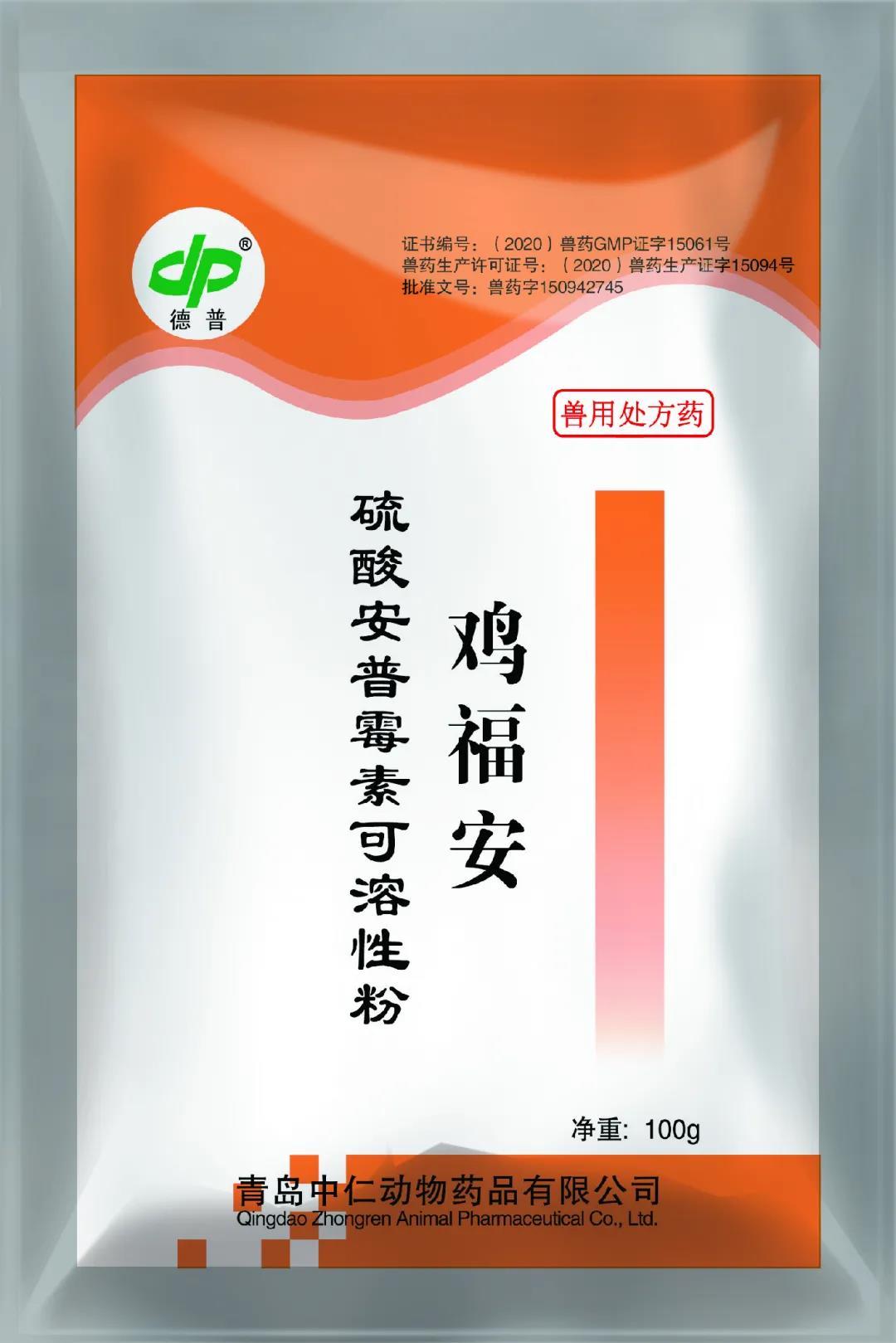
veterinary drug name]
Common name: apramycin sulfate soluble powder
commodity name: chicken fuan
role and use]Aminoglycoside antibiotics. It is mainly used to treat intestinal infections caused by gram-negative bacteria in pigs and chickens.
Usage and dosage](1) 100g of this product is mixed with 200 ㎏ water for 3-5 days. (2) The survival rate can be increased by 3-5% from the same day after the young are picked up and used for 3-5 days.
adverse reaction]Internal administration may damage the intestinal villi and affect the intestinal absorption of fat, protein, sugar, iron, etc. Can also cause intestinal flora imbalance, anaerobic bacteria or fungi and other double infection.
[Note]](1) the laying period of laying hens is prohibited.
(2) This product is easy to fail in case of rust. Mixed feeding machinery should pay attention to rust prevention and should not be mixed with trace element preparations.
(3) drinking water administration must be prepared on the same day.
[Hugh Medicine period]]Pig 21, chicken 7.
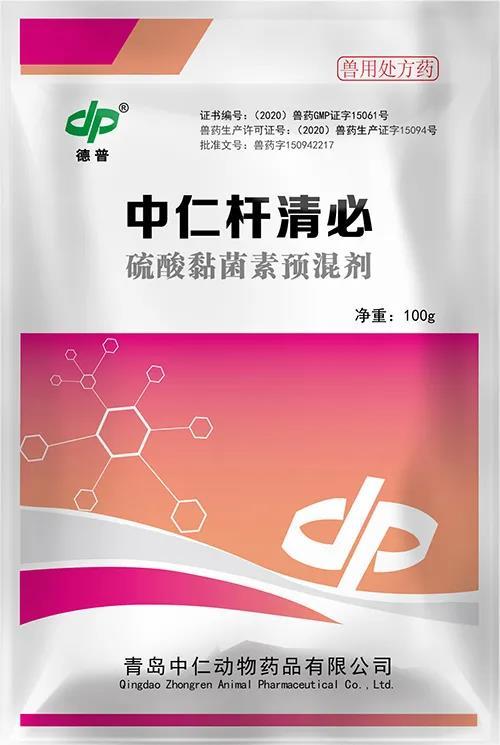
【Name of veterinary drug]]
Common name: colistin sulfate premix
Product Name: Zhongren Gan Qingbi
main ingredient]Colistin
role and use]Peptide antibiotics. It is mainly used for the treatment of intestinal infections in cattle, pigs and chickens caused by sensitive gram-negative bacteria.
Usage and dosage]With this product. Mixed feeding: 0.75~1kg for cattle, pigs and chickens per 1000kg of feed. Use for 3 to 5 days.
adverse reaction]Colistin can be well tolerated by animals when taken orally or locally. Systemic application can cause nephrotoxicity, neurotoxicity and neuromuscular blocking effects. Colistin is less toxic than polymyxin B.
[Note]](1) the laying period of laying hens is prohibited.
(2) the use of overdose may cause renal damage.
(3) This product is rarely absorbed by oral administration and should not be used as a treatment for systemic infectious diseases.
drug withdrawal period]Cow, pig, chicken 7 days.
More news
Contact Us
Administrative service telephone:0532-85212368
Sales Advisory Phone:0086-532-85212381
E-mail:zhongrenyaoye@126.com
Address: No.6 Road, Jiaoxi Industrial Park, Jiaozhou City, Qingdao, Shandong Province

Qingdao Zhongren Animal Medicine Co., Ltd
Zhongren Aquatic Products