

News Center
A modern veterinary drug GMP pharmaceutical enterprise relying on high technology, integrating scientific research, development, production, sales and service
Autumn laying hens should be how to manage?
Release time:
2021-11-02
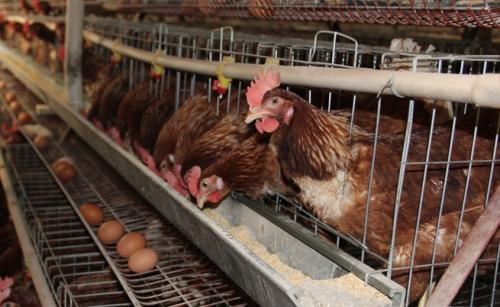
autumn laying hens should be how to manage?
Farming laying hens in autumn, pay attention to feeding, control the environment, pay attention to supplementary light, regular disinfection, to prevent the occurrence of diseases. Common diseases of laying hens in autumn include avian influenza, chicken cold, rhinitis, Escherichia coli and Newcastle disease. We must pay attention to the prevention of these diseases in the process of breeding laying hens. Once sick chickens are found, they should be diagnosed and treated in time to prevent infection.
1. Feed Management
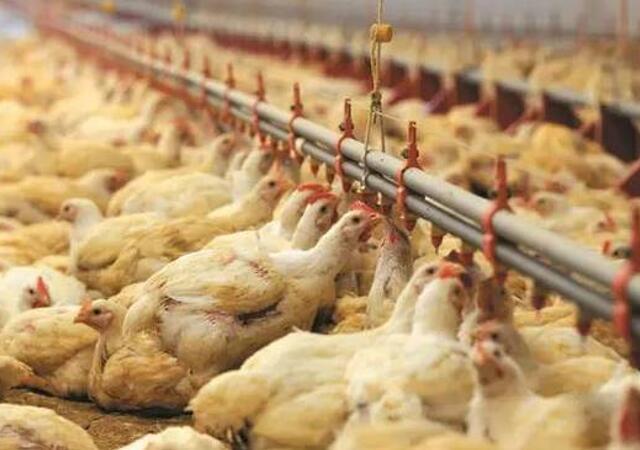
The temperature gradually decreases, and the appetite of laying hens will also increase. The gradual increase in food intake, in order to layer a good winter, autumn is the key period to promote the recovery of physical strength of laying hens. In order to allow chickens to recover as soon as possible, it is necessary to provide adequate nutrition, appropriately increase the proportion of energy feed, and supplement vitamins. Increase the content of nutrient elements such as vitamin C and vitamin E in the diet. For example, add concentrated cod liver oil with C, Zhongren Jinwei, etc.
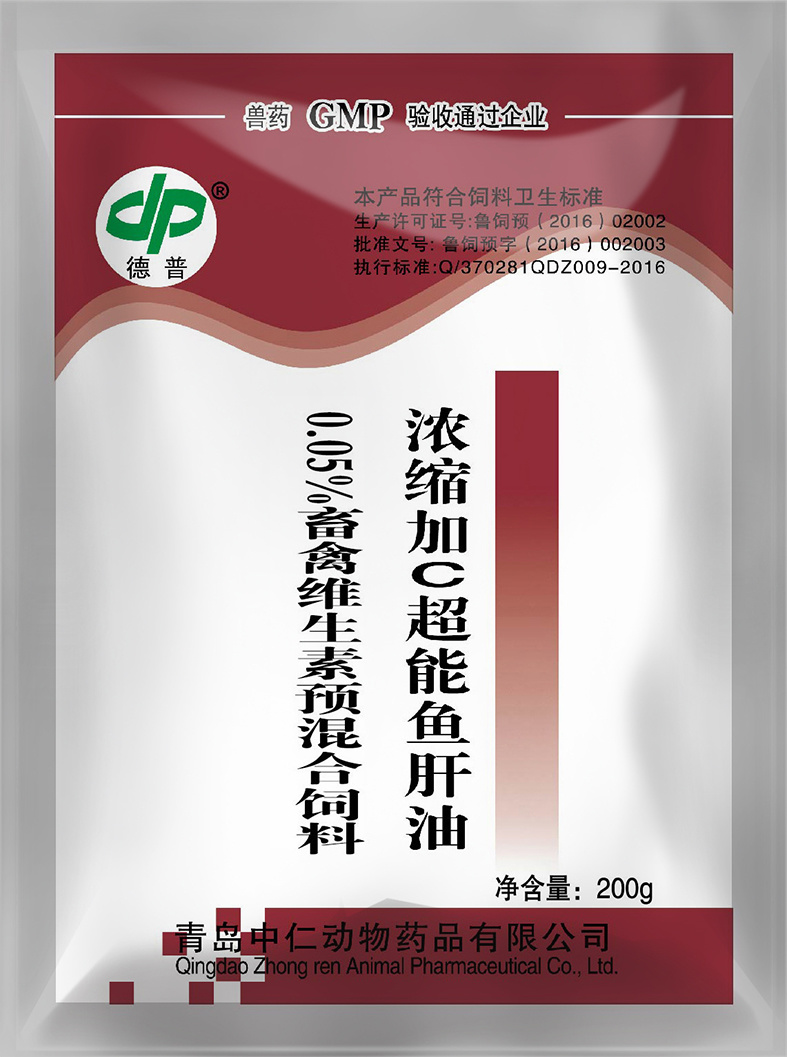
[product name]]
Common name: 0.05% vitamin premixed feed for livestock and poultry
Trade name: Concentrated plus C super cod liver oil
raw material composition]Vitamin A, Vitamin D3Vitamin E, glucose
[Function and Purpose] 1,For VA, VD3VE deficiency, enhance immunity, anti-stress. 2, in the feed for a long time to add can improve the quality of eggshell, for chondrosis (paralysis chicken), soft preserved eggs, thin shell eggs, deformed eggs. 3. It is used to improve the clinical symptoms of various types of viral diseases such as branches and larynx. 4, used by poultry gout, bursal disease, staphylococcal disease, kidney swelling and spotted kidney caused by kidney damage. 5. It has a good repair effect on intestinal mucosa shedding caused by enteritis, respiratory disease, pericarditis, and periarthritis of liver. 6. VA and VD for mink, fox and raccoon dog3VE deficiency, improve the farrowing rate, survival rate, body disease resistance and skin quality of fur animals.
Instructions for use]200g of this product is mixed with 1000-1500kg of water for free drinking. 200g of this product is added into 500-800kg of feed, mixed evenly and fed.
[scope of application]]Breeding animals such as livestock and poultry.
[Note]]This product will be used up as soon as possible after opening, and it will not be used up at one time. Please keep it sealed.
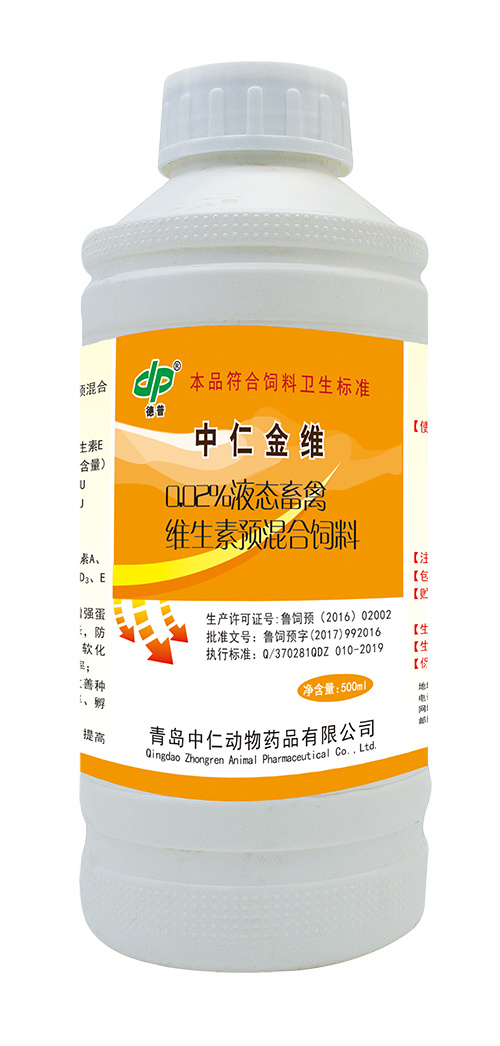
[product name]]
Common name: 0.02% liquid animal vitamin premix
Trade name: Zhongren Jinwei
raw material composition]Vitamin A, Vitamin D3, Vitamin E
[Sex shape]]This product is a yellowish oily liquid.
functional characteristics]1. Quickly and effectively supplement vitamin A, D3 and E to prevent vitamin A, D3 and E deficiency; 2. Promote calcium and phosphorus absorption, enhance eggshell hardness, improve eggshell color, prevent leg diseases, rickets, encephalomalacia, and improve survival rate and hatching rate; 3. Improve physiological function and improve egg laying rate, fertilization rate and hatching rate of egg-breeding birds; 4. Enhance immunity, improve stress resistance and reduce disease occurrence, ensure healthy poultry farming.
[method of use] brooding period:This product 500ml,Water 2500-5000L;Improve and restore egg production:This product500ml,Water 2500-5000L,anti stress and promote disease recovery:This product500ml,Water 3000-6000L, continuous use of better effect.
[Note]]The standard has no provisions.
2. Supplementary light
After entering autumn, the daily sunshine time will gradually decrease. In order to meet the needs of laying hens for light, we should pay attention to maintaining the light time in the chicken house. Every morning and evening, the light should be properly supplemented. Generally, the lights are turned on at 5 o'clock every day, and then the lights are turned off at 21 o'clock every night. After entering the autumn, at least 15 hours of light should be maintained every day, and the light intensity should be stabilized. Every day, the lights should be switched on and off regularly so that the laying hens can adapt well, and the dust on the bulbs should be wiped regularly.
3. Environmental control
The temperature difference between day and night in autumn is relatively large. Especially in the south, cold air often blows from the north to the south. Therefore, we should always pay attention to the weather changes and keep warm at night. When keeping warm, we should also pay attention to proper ventilation. However, on the premise of ensuring the temperature of the chicken house, it is necessary to prevent the chickens from having stress reactions due to excessive temperature difference. At the same time, if the ventilation is poor, the air quality is poor, which can easily lead to respiratory diseases in chickens.
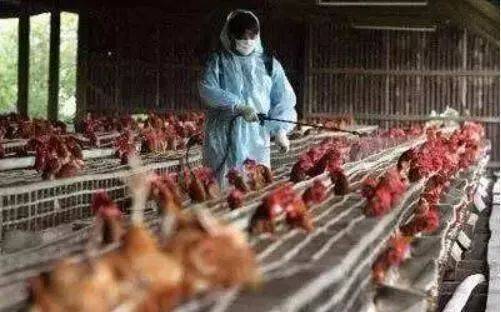
4. Immune disinfection
Autumn is the peak period of various bacterial activities and the high incidence period of various diseases. Therefore, we should also pay attention to immune disinfection in autumn and disinfect the chicken coop regularly. Do a good job of vaccination, to prepare for the winter of laying hens. After the peak period of laying eggs, the constitution of laying hens in autumn is relatively weak and prone to various infectious diseases. Therefore, we should do a good job of epidemic prevention and injection in autumn, plus a deworming. Develop an immunization program based on the age of the laying hens. It is also necessary to disinfect chickens appropriately. Disinfectants (Depp Jindian, Staley) are mainly broad-spectrum, efficient and non-toxic.
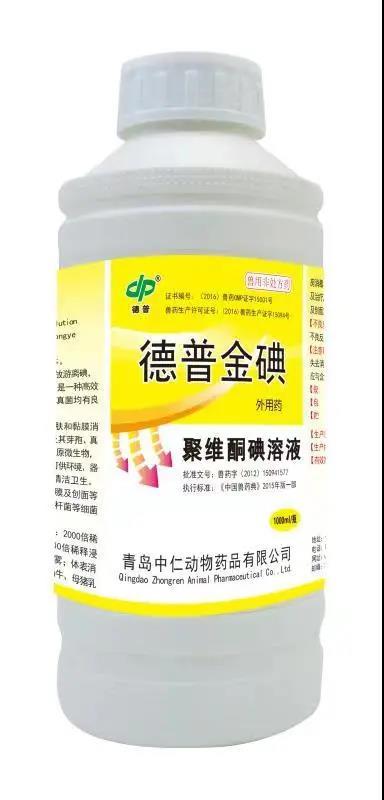
veterinary drug name]
Generic Name: Povidone Iodine Solution
main ingredient]Iodine
character]This product is red brown liquid.
【role and use]]For surgical site, skin and mucous membrane disinfection, environmental disinfection.
Usage and dosage]In terms of povidone iodine. Skin disinfection and treatment of skin diseases: 5% solution; Dairy cow nipple soaking; 0.5 ~ 1% solution; Rinse mucous membrane and wound surface to form 0.1 solution. Environmental disinfection: 1:1000 times diluted spray.
adverse reaction]According to the prescribed dose configuration, no adverse reactions have been seen.
[Note]]1. When the solution becomes white or light yellow, it loses its disinfection activity. 2. Use with caution in animals allergic to iodine. 3. should not be compatible with mercury containing drugs.
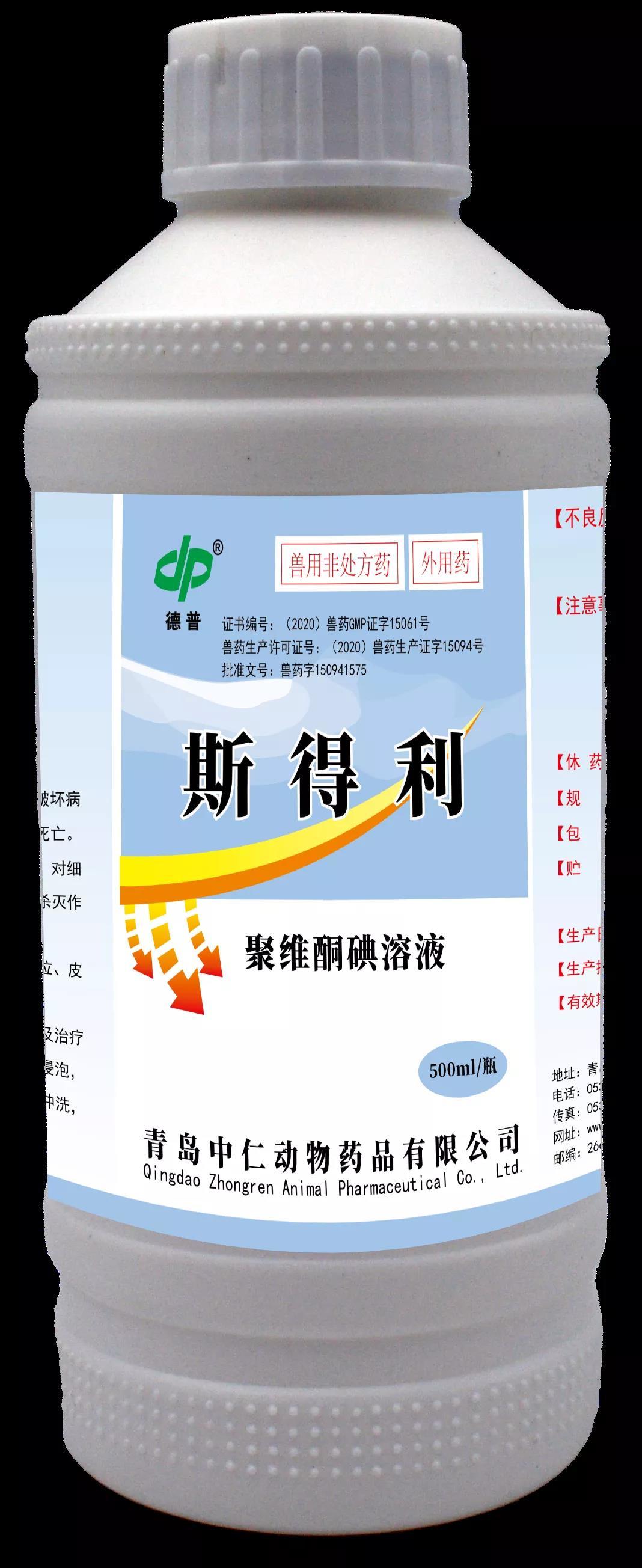
veterinary drug name]
Common Name: Povidone Iodine Solution
commodity name: Staley
main ingredient]Iodine
[Sex shape]]This product is red brown liquid.
【role and use]]Disinfection antiseptic. For surgical site, skin and mucous membrane disinfection.
Usage and dosage]In terms of povidone iodine. Skin disinfection and treatment of skin diseases, 5% solution; Dairy cow nipple immersion, 0.5 ~ 1% solution; Mucosa and wound flushing, 0.1 solution.
adverse reaction]Adverse reactions have not been seen in the use of the prescribed dosage.
[Note]](1) animal allergy to iodine is prohibited.
(2) When the solution becomes white or light yellow, it loses its disinfection activity.
(3) should not be compatible with mercury containing drugs.
More news
Contact Us
Administrative service telephone:0532-85212368
Sales Advisory Phone:0086-532-85212381
E-mail:zhongrenyaoye@126.com
Address: No.6 Road, Jiaoxi Industrial Park, Jiaozhou City, Qingdao, Shandong Province

Qingdao Zhongren Animal Medicine Co., Ltd
Zhongren Aquatic Products