

News Center
A modern veterinary drug GMP pharmaceutical enterprise relying on high technology, integrating scientific research, development, production, sales and service
How do pigs get flatulence?
Release time:
2021-08-26
How do pigs get flatulence?
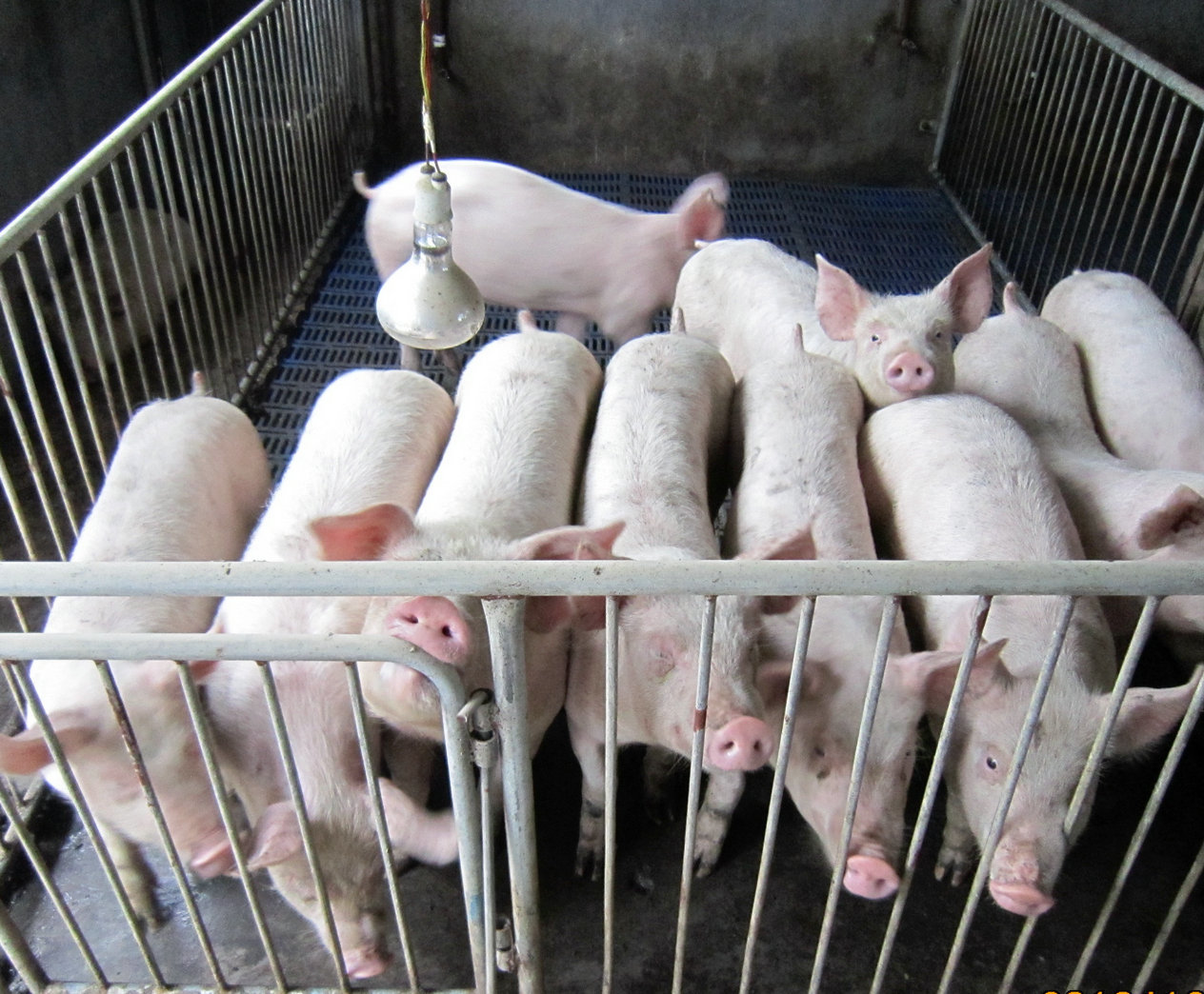
There are many reasons for gastrointestinal bloating, including microorganisms and improper feeding management. In pig production, the causes of constipation should be targeted. Practice shows that improving feeding management and strengthening the prevention of infectious diseases can avoid gastrointestinal bloating.
1. E. coli infection
Prevention and treatment: once the piglets have dropsy, there is no good treatment, so the mortality rate is extremely high. The use of sensitive antibiotics such as ceftiofur can inhibit or kill the pathogen, but it has no effect on dropsy, so it is more important to prevent it.
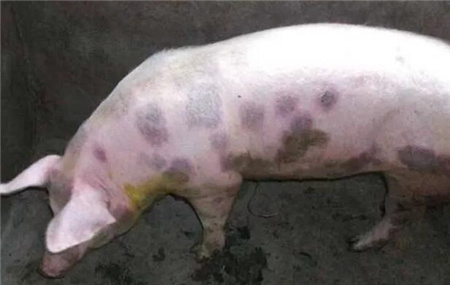
2. Clostridium perfringens infection
Prevention and treatment: some drugs such as metronidazole, dimeonidazole have inhibitory effect on the bacteria, but in practice, the effect is very poor, so the mortality rate is very high. This problem can only be reduced by improving the environment and management.
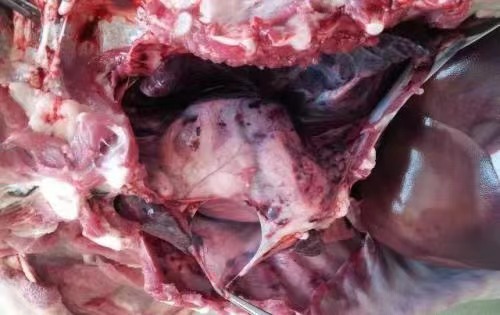
3. Infectious gastroenteritis virus infection
Infectious gastroenteritis generally occurs in winter and spring, and can be spread through contact with pigs, mostly endemic and cyclical epidemic.
After the virus infects the intestinal epithelial cells, it quickly falls off, and it is difficult to decompose lactose and other necessary nutrients. Due to the effect of osmotic pressure, it causes the retention of water, and even absorbs body fluids from body tissues, resulting in diarrhea and water loss. At the same time, nutrients are fermented in the intestine, producing a large amount of gas, causing gastrointestinal dropsy. The autopsy corpse was dehydrated, the stomach was filled with curd, the intestine was dilated and translucent, and the mesentery was congested. Similar lesions can also be seen in epidemic diarrhea.
Prevention and treatment: there is no specific drug for clinical cases of dropsy, and the effect of supporting therapy and controlling secondary infection is obvious for diarrhea cases. On the one hand to replenish body fluids and prevent acidosis, the application of oral rehydration salts for feeding. On the other hand, the use of sensitive antibiotics to prevent secondary infection, such as ceftiofur can be selected.
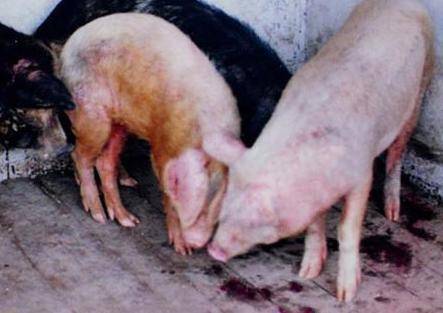
4. Infectious constipation
It is understood that some infectious diseases, parasitic diseases and their multi pathogenic mixed infections, such as classical swine fever, blue ear disease, streptococcal disease, porcine parahaemophilus disease, chronic intestinal tuberculosis, intestinal helminthiasis, etc., can cause severe constipation, resulting in diarrhea, and often accompanied by other symptoms and pathological changes. Relieving constipation can relieve dropsy qi. In cases of nameless high fever, some pig farms carry out laxative and loose knots to relieve dropsy qi, thus improving the cure rate.
Prevention and control: scientific immunization procedures should be formulated to prevent the occurrence of such infectious diseases through comprehensive biosafety measures.
How to reduce the occurrence of flatulence in pigs
1, pig house to do a good job of cleaning and feed storage, trough timely cleaning, to prevent mildew;
2. The feed particle size is appropriate, and the pigs at each stage choose the appropriate screen mesh diameter. Nursery pigs 1.0mm, piglets 1.2mm, medium pigs 1.5mm, large pigs 1.8-2.0mm, sows 2.0-2.2mm. If the sieve is not used according to the regulations, it will cause dyspepsia, and if the rules are passed, it will cause gastric mucosal ulcer.
3. Pregnant and lactating sows should be strictly fed by time, meal and quantitative feeding to prevent indigestion caused by overeating.
4. Appropriately increase the proportion of crude fiber in the diet, feed a certain amount of green forage every day, or add appropriate amount of microecological agents to the diet to reduce the occurrence of constipation
5, winter and spring to do a good job of pig house insulation moisture-proof work
6. If conditions permit, strengthen the movement of pigs
7, careful observation, early detection and early treatment.
recommend today.
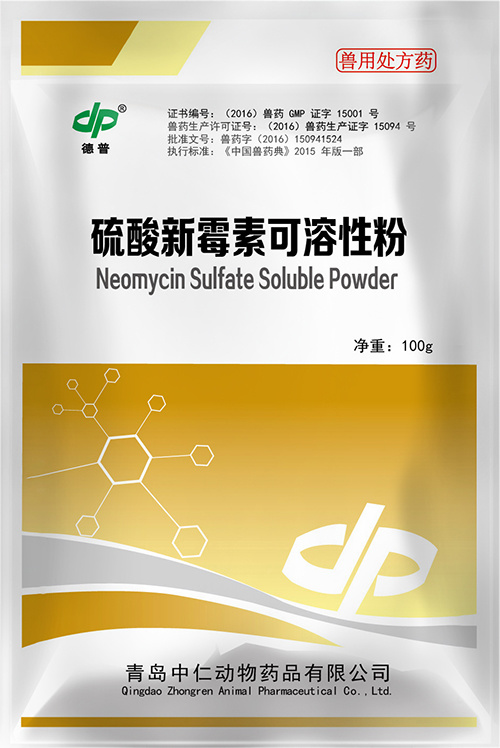
Neomycin Sulfate Soluble Powder
veterinary drug name]
Common Name: Neomycin Sulfate Soluble Powder
main ingredient]Neomycin sulfate
character]This product is white to light yellow powder.
【role and use] Aminoglycoside antibiotics. It is mainly used to treat gastrointestinal infections caused by sensitive Gram-negative bacteria.
Usage and dosage]With this product. Mixed drink: 100g of this product is 400.00kg with water for 3~5 days.
adverse reaction]Neomycin is most toxic in the aminoglycosides, but toxicity rarely occurs when administered orally or topically.
[Note]](1) the laying period of laying hens is prohibited.
(2) This product can affect vitamin A, vitamin B12The absorption.
Jillian Zhongren
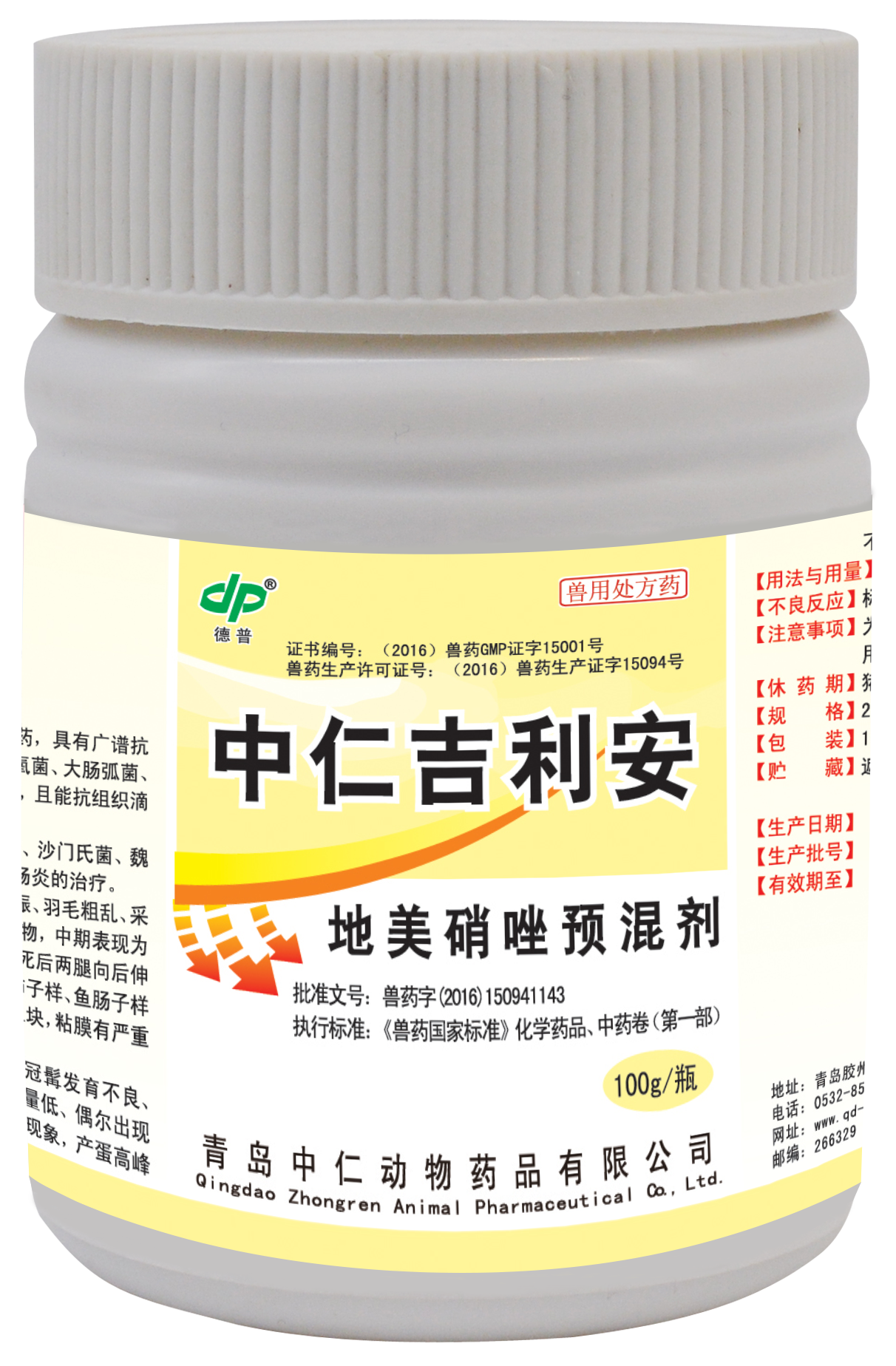
veterinary drug name]
Generic Name: Dimetrizole Premix
commodity name: zhongren jilian
main ingredient]dimetrizole
【Sex shape] This product is white powder.
【role and use]]Antigenic worm drugs. For swine treponema dysentery and avian tissue trichomoniasis.
【Usage and dosage]]Mixing materials or drinking water, 100g of this product, 100kg of mixing materials or 200kg of water, for 3-5 days.
adverse reaction]Chickens are more sensitive to this product, large doses can cause imbalance, liver and kidney damage.
[Note]]
(1) It cannot be used in combination with other anti-tissue trichomonas drugs.
(2) The chicken shall not be continuously administered for more than 10 days.
(3) the laying period of laying hens is prohibited.
More news
Contact Us
Administrative service telephone:0532-85212368
Sales Advisory Phone:0086-532-85212381
E-mail:zhongrenyaoye@126.com
Address: No.6 Road, Jiaoxi Industrial Park, Jiaozhou City, Qingdao, Shandong Province

Qingdao Zhongren Animal Medicine Co., Ltd
Zhongren Aquatic Products