

News Center
A modern veterinary drug GMP pharmaceutical enterprise relying on high technology, integrating scientific research, development, production, sales and service
Prevention and treatment of exudative dermatitis in piglets
Release time:
2021-08-06
Prevention and treatment of exudative dermatitis in piglets
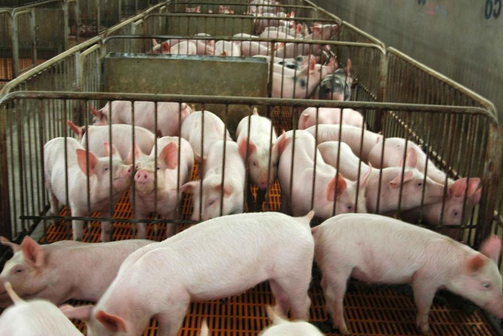
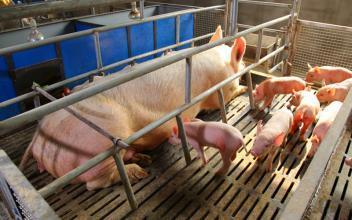
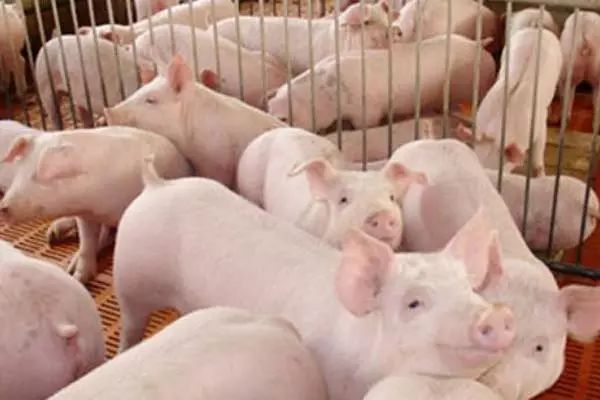
Exudative dermatitis of piglets, also known as piglet oil skin disease, is mainly caused by Staphylococcus aureus a disease that occurs more frequently in suckling piglets, which will make the skin of piglets appear exudate, which should be prevented and controlled in the feeding of piglets. The specific prevention and control methods are described as follows:
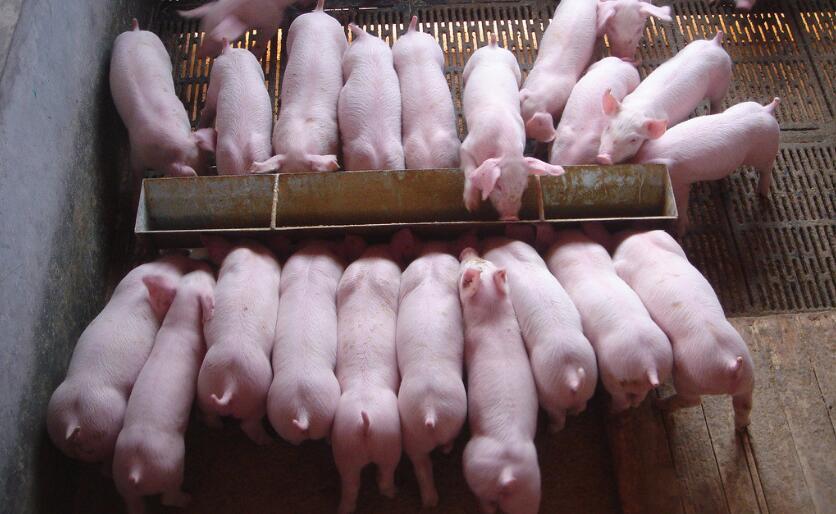
1. Symptoms
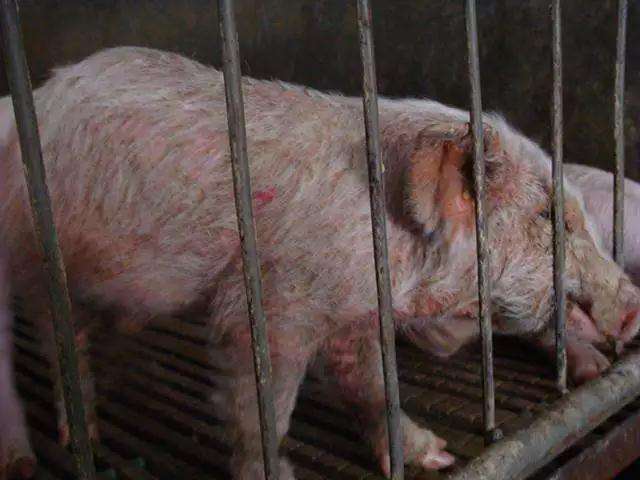
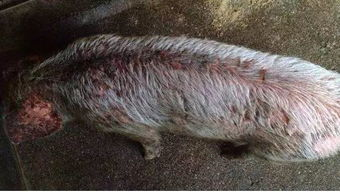
Piglets usually develop illness 4-6 days after infection. At the beginning, the skin is exfoliated and is red or copper-colored. A thin, grayish-brown sheet exudate, rich in lipids, appears first in the axilla and ribs and spreads throughout the body in 3-5 days. Suffering from the pig is coarse hair, can appear oral ulcer, hoof ball cutin shedding. Loss of appetite and dehydration are the main features of the disease. Severely ill pigs lose weight rapidly and die within 24 hours, usually within 3-1 days. Sick pigs do not appear pruritus, fever is not common. The incidence and severity of piglets in the same litter were different. Tolerant pigs grow significantly slower.
2. Prevention
Repair the teeth of newborn piglets, ensure that the surface of the fence is smooth, and the use of dry and soft pig beds can reduce the incidence of disease. The sow is cleaned and disinfected before entering the delivery room, and then put into a clean and sterilized enclosure. Timely treatment of local injury of sows and piglets is helpful to prevent the occurrence of this disease.
3. Treatment
Early treatment is effective, serious infection may not be effective. Staphylococcus has low resistance to new penicillin drugs and should be used as the first choice. At the same time, vitamin B1 and vitamin C can be used together for better results. Systemic treatment of piglets with glucose saline infusion can reduce the degree of skin lesions, so that only superficial lesions occur, and promote the healing process. Amoxicillin can also be used in combination with sulfamonomethoxine sodium mixing for prevention and control.
recommend today.
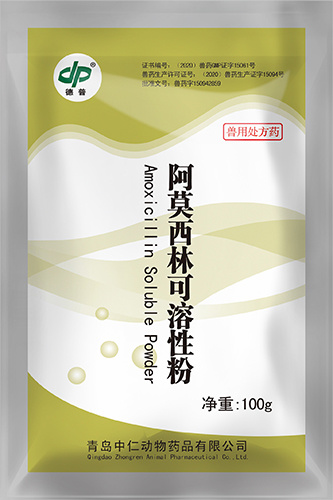
veterinary drug name]
Common Name: Amoxicillin Soluble Powder
character]This product is white or almost white powder.
role and use]Beta-lactam antibiotics. It is used to treat amoxicillin-sensitive gram-positive and gram-negative bacterial infections in chickens.
Usage and dosage]With this product. Internal administration: once, 0.07~0.1g of chicken per 1kg of body weight, twice a day for 5 days; Mixed drink: 0.2g of chicken per 1L of water for 3~5 days.
adverse reaction]It has a strong interference effect on the normal flora of the gastrointestinal tract.
[Note]](1) the laying period of laying hens is prohibited.
(2) Penicillin-resistant gram-positive bacteria infection should not be used.
(3) Now available.
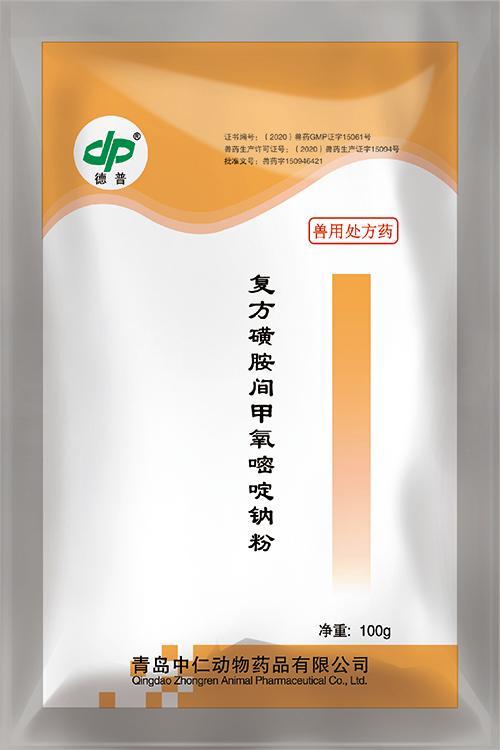
veterinary drug name]
Common Name: Compound Sulfamonomethoxine Sodium Powder
main ingredient]Sulfamonomethoxine sodium, trimethoprim
[Sex shape]]This product is white or almost white powder.
【role and use]]Sulfonamides. For sensitive bacteria caused by respiratory tract, gastrointestinal tract, urinary tract infection and coccidiosis, toxoplasmosis, etc.
Usage and dosage] Mixing or drinking water: 1. raccoons, foxes and minks 0.1~0.15 g/kg body weight, I .e. 100g of this product can be used for 500~800 minks or 300~500 fox and raccoon dogs once a day for 3-5 days. 2. Livestock and poultry: 100g of this product is mixed with 100kg of material or 200kg of water for 3-5 days.
【Adverse reaction]]Long-term or heavy use can damage the kidneys and nervous system, affect weight gain, and may cause sulfa poisoning.
【Precautions]](1) Continuous medication should not exceed 1 week.
(2) For long-term use, sodium bicarbonate should be taken at the same time to alkalize urine.
More news
Contact Us
Administrative service telephone:0532-85212368
Sales Advisory Phone:0086-532-85212381
E-mail:zhongrenyaoye@126.com
Address: No.6 Road, Jiaoxi Industrial Park, Jiaozhou City, Qingdao, Shandong Province

Qingdao Zhongren Animal Medicine Co., Ltd
Zhongren Aquatic Products