

News Center
A modern veterinary drug GMP pharmaceutical enterprise relying on high technology, integrating scientific research, development, production, sales and service
Diagnosis and treatment of a case of goose serositis
Release time:
2021-07-15
Diagnosis and treatment of a case of goose serositis
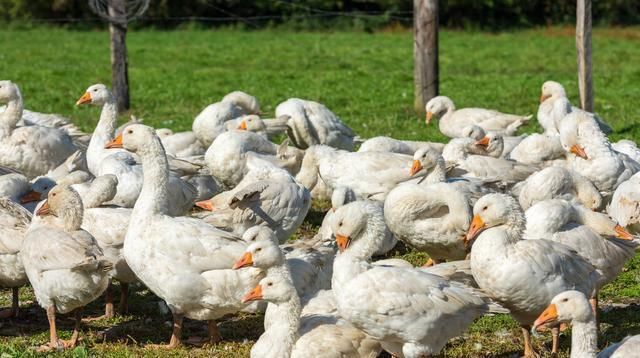
In a farm in Jiangsu, the number of geese raised was 5000, and the disease occurred in about 31 days.
clinical symptoms
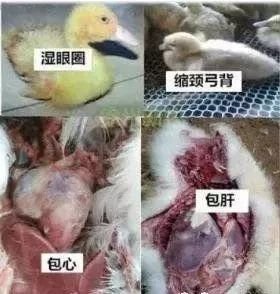
The spirit is depressed, the appetite is reduced, the limbs are lying on the ground, paralyzed, not walking, often in the dog sitting posture, with neurological symptoms, spasmodic nodding or shaking head and tail, tilting forward and backward, lying on the back, some can see the head and neck tilted, turning in circles, walking back, sick ducks are emaciated, breathing difficulties, and more than 10 deaths per day.
anatomical symptoms
Mainly pericarditis, perihepatic inflammation
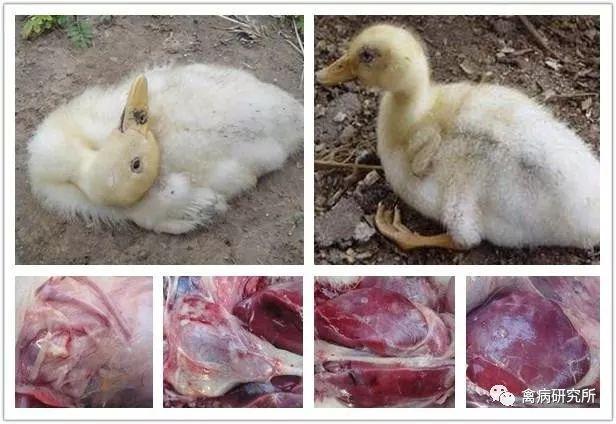
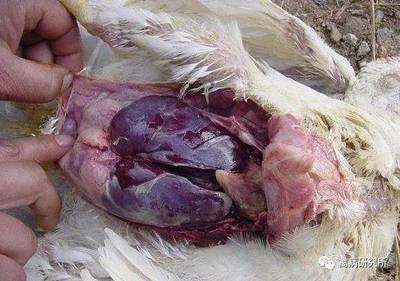
recommend today.
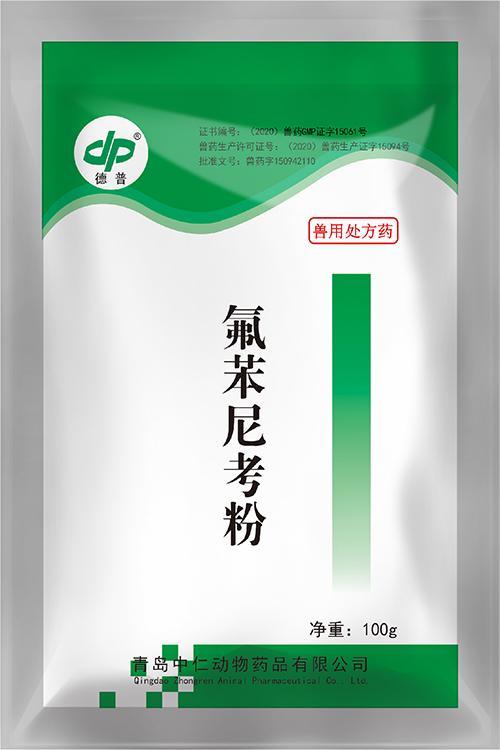
veterinary drug name]
Common Name: Florfenicol Powder
【Main ingredients] florfenicol
character]This product is white or almost white powder.
drug interaction](1) macrolides and linke amines have the same target as this product, which are combined with the 50S subunit of bacterial ribosome and can produce mutual antagonism when combined.
(2) It may antagonize the bactericidal activity of penicillins or aminoglycosides, but it has not been demonstrated in animals.
【role and use]]Amide alcohol antibiotics. It is used for bacterial diseases caused by Pasteuli and E. coli.
Usage and dosage](1) Poultry: 100g of this product is mixed with 200 ㎏ water, and the dosage is calculated according to the amount of drinking water throughout the day. 3~5 days for a course of treatment.
(2) pigs and calves: 0.2g ~ 0.25g/kg body weight, taken orally twice a day for 3~5 days.
adverse reaction](1) This product is higher than the recommend dose when used with a certain immunosuppressive effect.
(2) Embryonic toxicity, pregnancy and lactation livestock with caution.
[Note]](1) the laying period of laying hens is prohibited.
(2) the vaccination period or the immune function of the serious defect of the animal is contraindicated.
(3) animals suffering from renal insufficiency need to be appropriately reduced or extended administration interval.
More news
Contact Us
Administrative service telephone:0532-85212368
Sales Advisory Phone:0086-532-85212381
E-mail:zhongrenyaoye@126.com
Address: No.6 Road, Jiaoxi Industrial Park, Jiaozhou City, Qingdao, Shandong Province

Qingdao Zhongren Animal Medicine Co., Ltd
Zhongren Aquatic Products