

News Center
A modern veterinary drug GMP pharmaceutical enterprise relying on high technology, integrating scientific research, development, production, sales and service
What diseases can chickens be vaccinated urgently after the onset
Release time:
2021-07-11
What diseases can chickens be vaccinated urgently after the onset
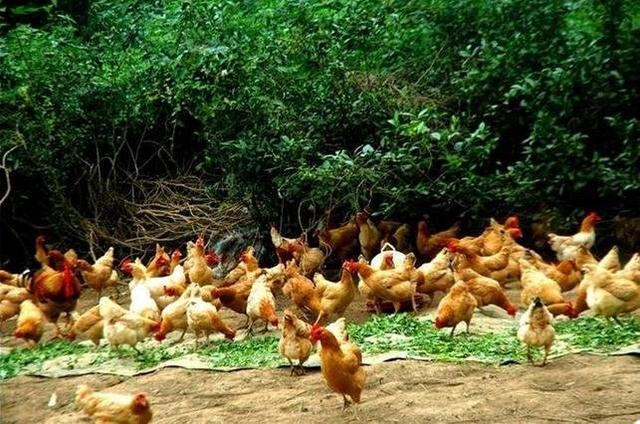
Due to the widespread use of vaccines, some infectious diseases in chickens are mainly chronic and atypical. Each group is always the first disease of individual chickens or a few chickens. At this time, the chickens are vaccinated urgently with vaccines (vaccines) to activate their immune system and make them produce immunity. Susceptible chickens become insensitive chickens, and the development of the disease slows down and is eventually extinguished. The effect of emergency vaccination of a few infectious diseases in chickens is quite good, such as atypical Newcastle disease, laryngotracheitis and so on.
Effect of Emergency Vaccination on Several Diseases
1. Newcastle disease
Clinically, atypical symptoms appear, generally do not show neurological symptoms, only egg production is reduced, food intake is reduced, sporadic deaths, and some have respiratory or gastrointestinal symptoms. The effect of emergency vaccination is obvious. Generally with high quality IV line seedlings or cloned seedlings 4 to 5 times the amount of drinking water. A few days later, it will get better. For some serious chickens, the effect will be better by injecting L-head oil seedlings at the same time. The above treatment methods have little effect on the laying rate of laying hens. When Newcastle disease occurs, do not use line I vaccine for emergency vaccination of juvenile chickens. There have been 2 cases of chickens that died in large numbers due to high-dose (3-5 times the amount) injection of L-line seedlings. The autopsy changes are very similar to typical Newcastle disease. Adult laying hens are also not suitable for emergency vaccination with line I seedlings when atypical Newcastle disease occurs. Otherwise, it will cause a drop in egg production in the flock. It can recover after several weeks, and the loss of egg production decline is greater than the loss of atypical Newcastle disease. After a few chickens were injected with L-line seedlings, there was no adverse effect, which may be related to the strong anti-stress ability of these chickens, the high circulating antibody of Newcastle disease in the chickens, the small dose of vaccination (1-2 head portions), the good environment, and the absence of complications.
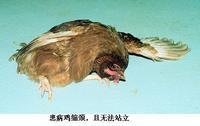
2. Infectious laryngotracheitis
When a dead chicken is found, all the chickens in the whole field are vaccinated urgently, and the laryngotracheitis vaccine is used to spot the eyes or smear the anus. After a few days, the death stops, the symptoms disappear, and the whole group of chickens recover.
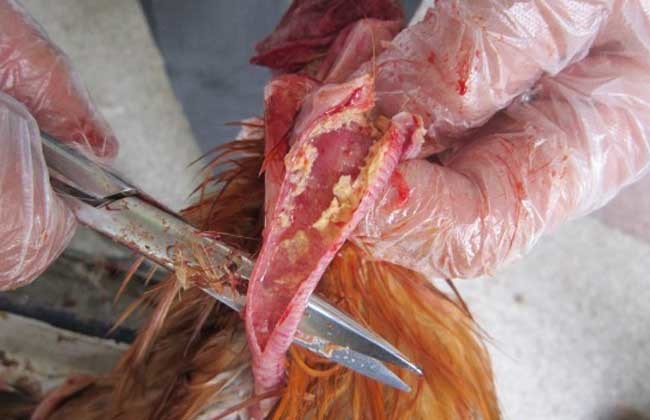
3. Chicken pox
If individual chickens are found to have "pox" in the flock, the whole flock of chickens will be vaccinated immediately, and mosquitoes in the chicken coop will be killed for 3-4 days in a row. After a few days, no new sick chickens will appear in the flock. For chickens that are found late and seriously ill, even if a few chickens seal their eyes and vaccinate urgently, it will have a better effect. However, two points should be paid attention to: one is to isolate or eliminate some serious diseases; the other is to kill mosquitoes and other blood-sucking insects in the environment of the chicken house, and install screen windows on the chicken house, which can control the disease in about one week.
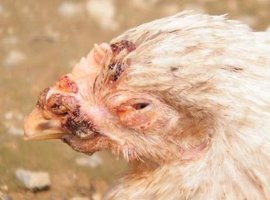
4.
infectious rhinitis
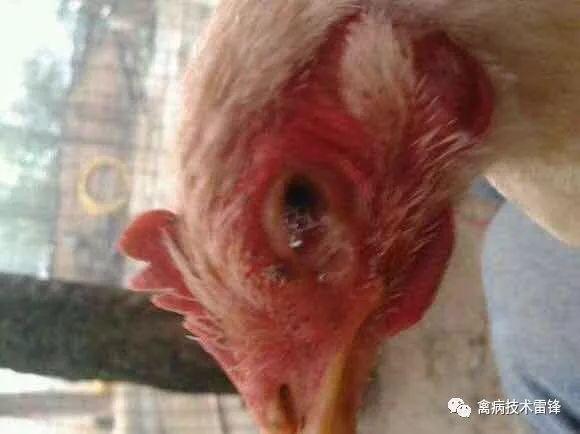
The disease is caused by Haemophilus gallinarum, with chicken nasal cavity, sinus cavity inflammation, facial swelling (commonly known as swollen head) as the characteristics, no death or rarely death, the egg production has a greater impact on the disease. When the disease occurs, the egg production of chickens does not reach the peak or the egg production decreases during the peak period. The treatment effect of compound sulfamonomethoxine and whatlick is ideal, but it is easy to relapse and is cured by medication. When infectious rhinitis occurs again, if inactivated seedlings are used to vaccinate chickens urgently, and a small amount of drugs are used to treat individual sick chickens alone, the disease can be controlled quickly. If the number of cases is large, the whole group can also be administered.
5. Fowl cholera
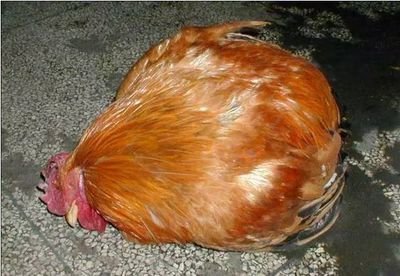
Fowl cholera is caused by bacillus multocidans, also known as avian hemorrhagic septicemia, characterized by diarrhea and sudden death. At the initial stage of the disease, emergency vaccination of chickens has a certain preventive effect. At the same time, it disinfects the sink, trough, and environment to kill the bacteria in the environment, which can quickly control the disease. It is better to use antibiotics such as sulfahexamethoxyampicillin for emergency vaccination of chickens with more deaths.
recommend today.
veterinary drug name]
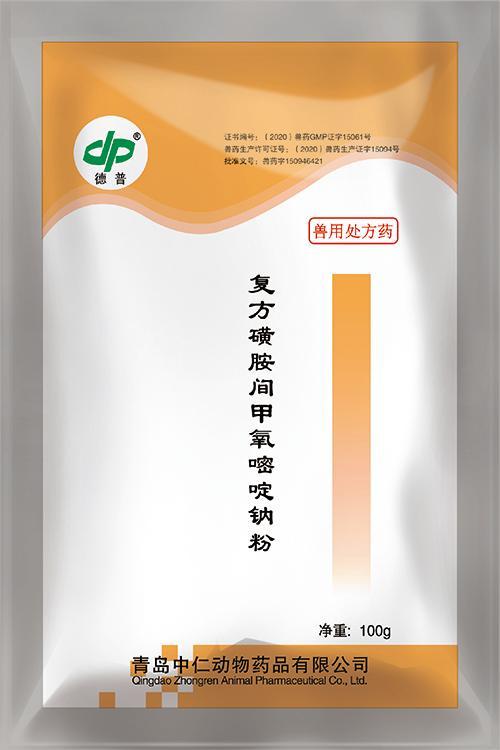
Common Name: Compound Sulfamonomethoxine Sodium Powder
main ingredient]Sulfamonomethoxine sodium, trimethoprim
[Sex shape]]This product is white or almost white powder.
【role and use]]Sulfonamides. For sensitive bacteria caused by respiratory tract, gastrointestinal tract, urinary tract infection and coccidiosis, toxoplasmosis, etc.
Usage and dosage] Mixing or drinking water: 1. raccoons, foxes and minks 0.1~0.15 g/kg body weight, I .e. 100g of this product can be used for 500~800 minks or 300~500 fox and raccoon dogs once a day for 3-5 days. 2. Livestock and poultry: 100g of this product is mixed with 100kg of material or 200kg of water for 3-5 days.
【Adverse reaction]]Long-term or heavy use can damage the kidneys and nervous system, affect weight gain, and may cause sulfa poisoning.
【Precautions]](1) Continuous medication should not exceed 1 week.
(2) For long-term use, sodium bicarbonate should be taken at the same time to alkalize urine.
veterinary drug name]
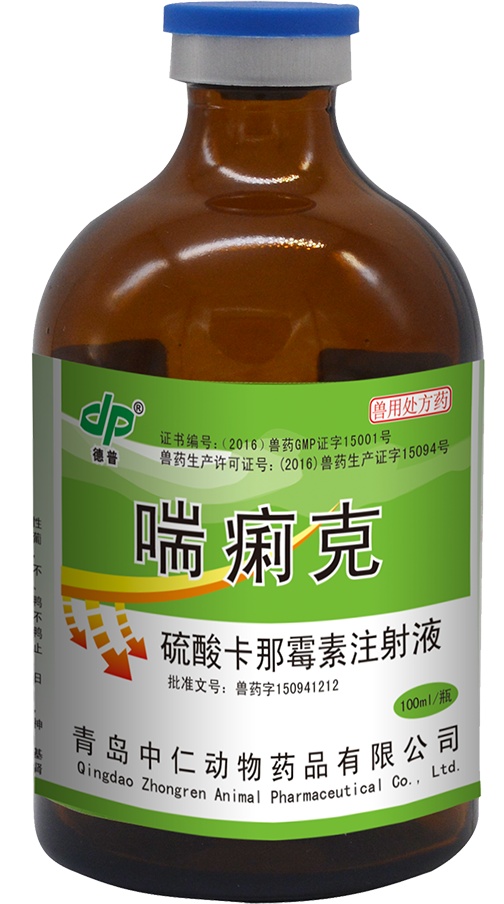
Common Name: Kanamycin Sulfate Injection
Product Name: Chuan Li Ke
main ingredient]Kanamycin sulfate
[Sex shape]]This product is colorless to light yellow or light yellow-green clear liquid.
drug interaction]
(1) There is a synergistic effect with penicillins or cephalosporins.
(2) The antibacterial effect is enhanced in alkaline environment, and the combination of alkaline drugs (such as sodium bicarbonate, aminophylline, etc.) can enhance the antibacterial effect, but the toxicity is also enhanced accordingly. When the pH exceeds 8.4, the antibacterial effect is weakened.
(3)Ca2 、Mg2 、 Na \ n+U want it4+and K+Such cations can inhibit the antibacterial activity of this product.
(4) with cephalosporins, dextran, potent diuretics (such as furosemide, etc.), erythromycin, etc., can enhance the ototoxicity of this product.
(5) Skeletal muscle relaxants (such as succinylcholine chloride, etc.) or drugs with this effect can strengthen the neuromuscular blocking effect of this class of drugs.
【role and use]]Aminoglycoside antibiotics. For the treatment of sepsis and urinary tract, respiratory tract infections, but also for swine asthma.
Usage and dosage]Intramuscular injection, once, per 1kg body weight, livestock 0.1~0.15ml. 2 times a day for 3 to 5 days. Chicken, duck and goose 0.1 ml/kg, once a day for 2-3 days.
Drinking water: 100ml of this product is mixed with 200kg of water.
adverse reaction]
(1) kanamycin and streptomycin as ototoxicity, renal toxicity, and its ototoxicity than streptomycin, gentamicin stronger.
(2) Neuromuscular blockade is often caused by overdose.
[Note]]
(1) with other aminoglycosides have cross allergy phenomenon, the aminoglycoside allergy of livestock disabled.
(2) with caution when suffering from animal dehydration or renal function damage.
(3) in the treatment of urinary tract infection, at the same time, oral sodium bicarbonate can enhance the efficacy.
(4)Ca2 、Mg2 、 Na \ n+U want it4+, K+Such cations can inhibit the antibacterial activity of this product.
(5) combined with cephalosporins, dextran, potent diuretics, erythromycin, etc., can enhance the ototoxicity of this product.
More news
Contact Us
Administrative service telephone:0532-85212368
Sales Advisory Phone:0086-532-85212381
E-mail:zhongrenyaoye@126.com
Address: No.6 Road, Jiaoxi Industrial Park, Jiaozhou City, Qingdao, Shandong Province

Qingdao Zhongren Animal Medicine Co., Ltd
Zhongren Aquatic Products