

News Center
A modern veterinary drug GMP pharmaceutical enterprise relying on high technology, integrating scientific research, development, production, sales and service
[First-line Sharing] Effective Prevention Plan for Shrimp Enteritis
Release time:
2021-07-07
[First-line Sharing] Effective Prevention Plan for Shrimp Enteritis
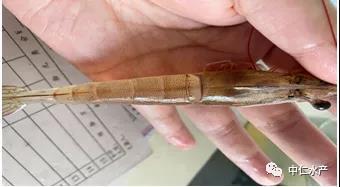
Penaeus vannamei "defecation" is a phenomenon often seen in the breeding process, which is manifested in the whole breeding process. Many farmers and friends find that prawn feces are extremely long when they encounter "defecation" or lift the feeding table. Some farmers and friends think that they only see a few "defecation" problems and think that the problem is not serious. In fact, this idea is wrong. This is a manifestation of enteritis in Penaeus vannamei vannamei vannamei vannamei. Enteritis can cause poor absorption rate of shrimp feed, malnutrition of prawns, weight loss, etc., which in turn leads to weak physique, low resistance to disease, and greater losses.
Symptoms of 1. enteritis that occur
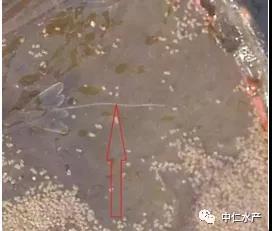
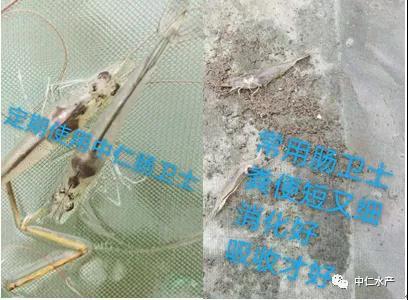
Penaeus vannamei suffering from enteritis have red intestines and slow food. Some prawns will drag a long strip of feces, or the feces in the feeding table are slender. If they are not treated in time, they will eventually become "white stool", resulting in jejunum and jejunum. Normal Penaeus vannamei have shorter faeces and appear to be mucous-free.
Causes of the occurrence of 2. enteritis
1. Bacterial infections
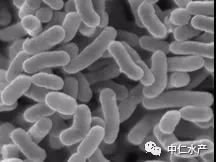
Vibrio, Aeromonas hydrophila, Escherichia coli and other harmful bacteria in the water will infect the shrimp, these harmful bacteria will secrete a large number of bacterial toxins, damage the gastrointestinal tract wall mucosa of the shrimp, causing intestinal inflammation of the shrimp.
The digestive tract of diseased shrimp is red, the stomach is the most obvious, the midgut becomes red and swollen, the rectum (hindgut) becomes turbid, and the boundaries are unclear. Disease shrimp vigor weakened, anorexia, slow growth.
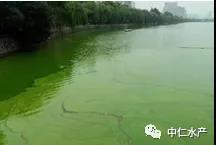
2. Toxic substances in ponds increase. When the weather is changeable, heavy rain is frequent and dead algae in ponds increase, dead algae will secrete a large amount of algae toxins, which will also increase ammonia nitrogen nitrite in ponds. Moreover, dead algae are easy to deposit at the bottom of ponds. Shrimps like to eat dead algae, but prawns cannot digest algae, causing intestinal burden of prawns and enteritis.
3, the impact of moldy feed on the intestinal tract of shrimp is also huge, moldy feed contains a lot of aflatoxin. Aflatoxin has a huge toxic effect on the intestinal mucosal epithelial cells of shrimp, resulting in damage to the intestinal tissue of Penaeus vannamei, and then inflammation.
How to prevent 3. enteritis correctly
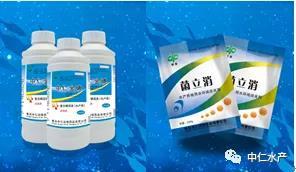
1. Disinfection of water bodies. Especially when the weather changes drastically, the bacteria in the pond will explode, so the water body should be disinfected in time when the weather changes.Zhongren Gold Iodine1 bottle of 3 mu water body orJu Li Xiao1 bag 1 mu water body.
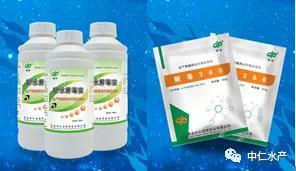
2. Weather changes and temperature increases can easily cause a large number of algae in the pond to die and release algae toxins. Therefore, detoxification should be carried out in time to eliminate toxins in the pond.Bishui Jiedu Ann1 bottle of 3 mu water body ordetoxification 3601 generation 3 acres of water.
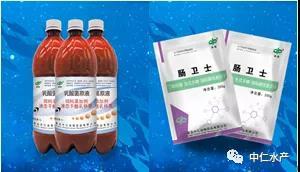
3, regular mixing feeding beneficial bacteria, recommendLactic acid bacteria stock solutionMixing 20.00 kg-40.00 kg material/bottle orBowel GuardMixing material 10.00 kg-20.00 kg material/bag. First-line practice shows that regular use of quality-assured probiotics can significantly improve the intestinal tract of prawns and effectively stifle the problem of enteritis in the early stage.
This article contribution: Wang Dan Ma Yuke
Reviewed and edited by: Xu Xiang
Editor-in-Chief: Zang Xueyun
More news
Contact Us
Administrative service telephone:0532-85212368
Sales Advisory Phone:0086-532-85212381
E-mail:zhongrenyaoye@126.com
Address: No.6 Road, Jiaoxi Industrial Park, Jiaozhou City, Qingdao, Shandong Province

Qingdao Zhongren Animal Medicine Co., Ltd
Zhongren Aquatic Products