

News Center
A modern veterinary drug GMP pharmaceutical enterprise relying on high technology, integrating scientific research, development, production, sales and service
Effects of Common Stress Factors on Immune Function of Chickens and Preventive Measures
Release time:
2020-07-21
Effects of Common Stress Factors on Immune Function of Chickens and Preventive Measures

Although many standardized chicken farms have been established in China's chicken industry, especially broiler breeding industry, the whole is still relatively extensive. A considerable number of farmers only pay attention to the physical construction of chicken farms, and often ignore the invisible effects in the production process, such as stress. Various stress factors not only have a serious impact on the growth, development and productive performance of chickens, but also can destroy their non-specific defense system, reduce their immune function and reduce their resistance to infectious diseases. The result is a huge economic loss to the chicken farm. The effects of common stress factors on chicken immune function and related preventive measures are as follows:
1. transportation
In the process of transportation, due to the limited space, chicken seedlings will encounter stress such as crowding, hunger, thirst, vibration, noise, catching and catching, temperature discomfort, etc., which will make the body in a state of failure, lead to diseases, and some even die. The immune function of those who survive will decline within a certain period of time. Therefore, sufficient preparation should be made before transporting chicken seedlings, and it is best to use constant temperature transportation tools, avoid the temperature in the car is too high or too low, and pay attention to ventilation, try to choose a stable road to walk, reduce shocks, and strive to reach the destination in the shortest time.
2. temperature, humidity
Chickens are more sensitive to the ambient temperature, which will lead to reduced immune function or immunosuppression. Chickens will degenerate their lymphoid tissues below 17 ℃ at low temperature or 44-48 ℃ at high temperature, and the number of lymphocytes in circulating blood will decrease, thus the antibody cannot be improved.
Humidity also has a great influence on the physiological function of chickens, which is accompanied by temperature. When high temperature and high humidity, the cooling function of the chicken respiratory system is blocked, which is not conducive to heat dissipation; when low temperature and high humidity, the heat dissipation of the chicken body is increased, and the adverse effects of low temperature are aggravated. When the relative humidity is lower than 40%, chicken feathers grow poorly and air dust increases, which can cause serious stress and affect the immune effect and production level to a certain extent.
Therefore, the chicken house should always maintain a good ambient temperature, humidity, do not be too high or too low. The temperature and humidity in the chicken house can be adjusted by building a well-regulated chicken house, adjusting the feeding density of chickens, properly ventilating and spraying clean water.
3. light
The effect of light on the growth and development, production performance and immune function of chickens is relatively large. It has been reported that the light cycle of 12 hours is conducive to the production of high titer antibodies after secondary immunization in chicks, and 24 hours of light has an inhibitory effect on antibody production. Different light colors have different effects on the immune function of chickens. Blue light, green light, red light and gray white light were used to irradiate 30-week-old female turkeys for 16 hours a day for 15 weeks and 23 weeks respectively. The study shows that with the extension of light time, the total number of white blood cells decreased, of which the green light decreased the most, the gray white light decreased the least, and the red and blue light were in the middle. It can be seen that the appropriate choice of light types and light time is conducive to giving full play to the immune function of the chicken body, and uncomfortable light not only brings bad living habits (such as pecking addiction, etc.) to the poultry, but also reduces the immune function and resistance.
4. nutrition
Poultry need regular intake of appropriate amounts of nutrients in order to maintain the normal metabolism and growth needs of the body. If there is a lack of food, it will cause acute stress reaction due to hunger. On the one hand, it makes the body's stored nutrients (such as protein, sugar, fat, etc.) passive; on the other hand, the body's metabolic balance is destroyed, immune substances are reduced, and immune function is reduced. In addition, the lack of trace elements and vitamins in the diet will also lead to reduced immune function. For example, selenium deficiency will change the parenchyma of immune organs such as bursa of Fabricius, thymus and spleen, affecting immune function; iodine deficiency will enlarge thyroid tissue, leading to goiter and decreased immunity; copper, iron and zinc are involved in the synthesis of certain enzymes in the body, and the deficiency will affect cell metabolism, thus affecting cellular immune function; VE deficiency can reduce the rate of lymph transformation and the titer of Newcastle disease antibody in broilers. Therefore, according to the needs of different growth and development stages and production performance, we should adjust the feed formula in time, insist on feeding full-price feed, choose high quality feed additives, and always maintain nutritional balance to prevent nutritional diseases.
5. Feeding Density and Environmental Pollution
Unsuitable feeding density can cause non-specific immune response, such as increased adrenal weight, accompanied by reduced cholesterol, lymphatic organ degradation, not only decreased immune function, but also easy to cause the habit of pecking, and the survival rate decreased. To try to achieve reasonable density, good ventilation, avoid crowding, reduce ammonia and CO2 and other harmful gases. Polluted air contains dust, bacteria, viruses, etc., which can easily reduce their physical fitness, reduce immunity, and induce diseases.
6. infectious diseases
Various stresses are prone to the occurrence of secondary infectious diseases. The pathogenesis of infectious diseases itself is the process of the body's own various barriers and immune system fighting against pathogenic microorganisms. In this process, strong stress will occur. Sometimes pathogenic microorganisms are eliminated, but antibodies are reduced. If not completely eliminated, the disease will occur. At this time, the immune function of poultry is significantly reduced, and the resistance to new pathogens is further weakened, forming a vicious circle. In particular, there are many immunosuppressive diseases, such as infectious bursa of disease, horse immediately, avian leukemia, reticuloendothelial tissue hyperplasia, avian influenza, hemorrhagic enteritis, coccidia and other diseases, which can cause severe damage to lymphoid tissues and organs and immunosuppression. Therefore, in production, feeding management should be strengthened, reasonable immunization procedures should be formulated, prevention should be more important to infectious diseases, those that can be controlled by vaccines should not be missed, and those that can be controlled by drugs should be regularly administered for prevention.
7. feeding management
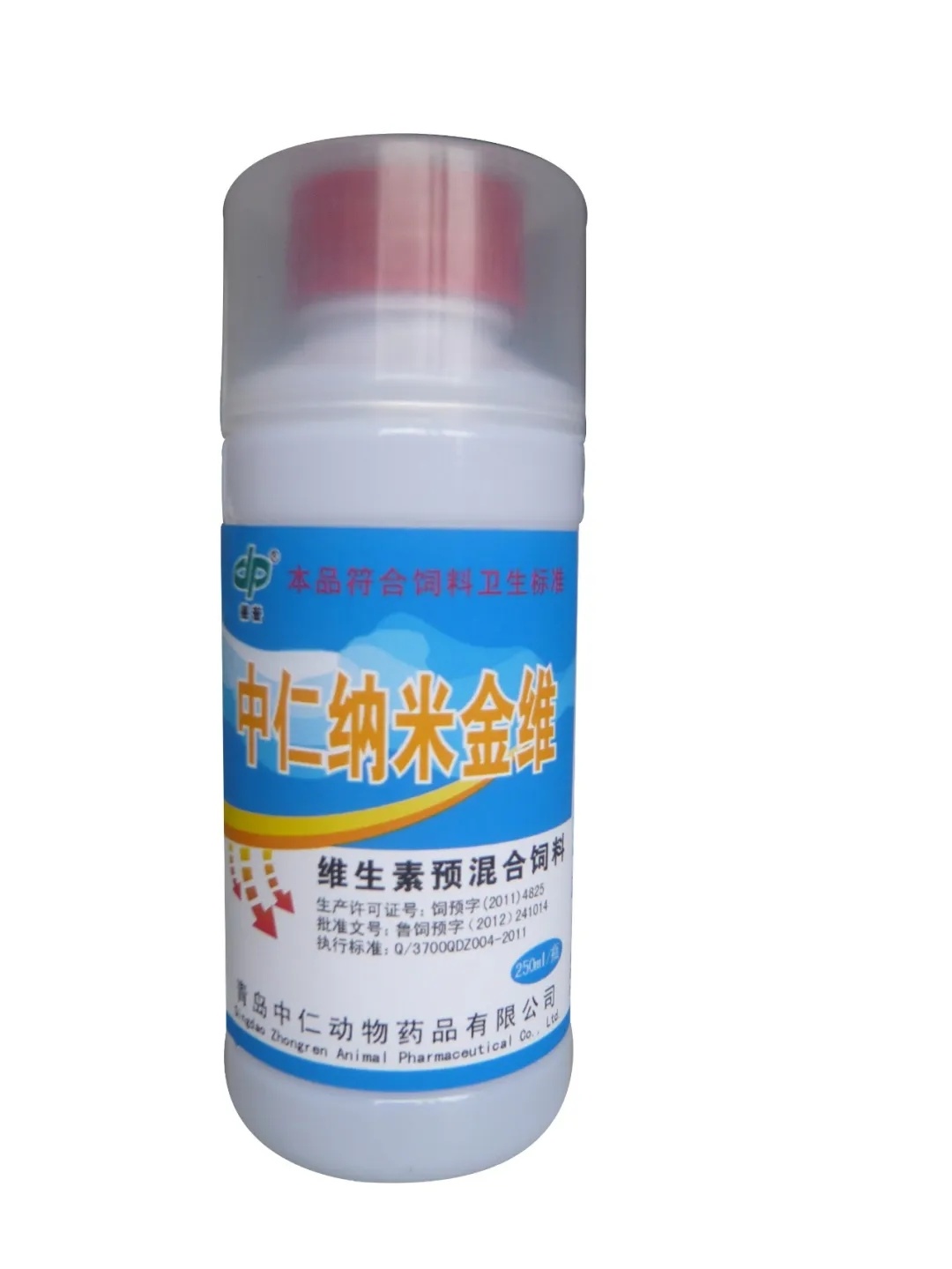
In the process of poultry feeding and management, stress reactions such as group transfer, feed change, immunization, restriction of drinking water, use of drugs, etc. should also be paid attention to. Effective measures should be taken in time to take good multidimensional drugs (nano Jinwei and Jinweitao) to avoid and reduce the damage caused by stress to chicken production.

More news
Contact Us
Administrative service telephone:0532-85212368
Sales Advisory Phone:0086-532-85212381
E-mail:zhongrenyaoye@126.com
Address: No.6 Road, Jiaoxi Industrial Park, Jiaozhou City, Qingdao, Shandong Province

Qingdao Zhongren Animal Medicine Co., Ltd
Zhongren Aquatic Products