
Prevention and Control of Fowl Pox
2026-06-05
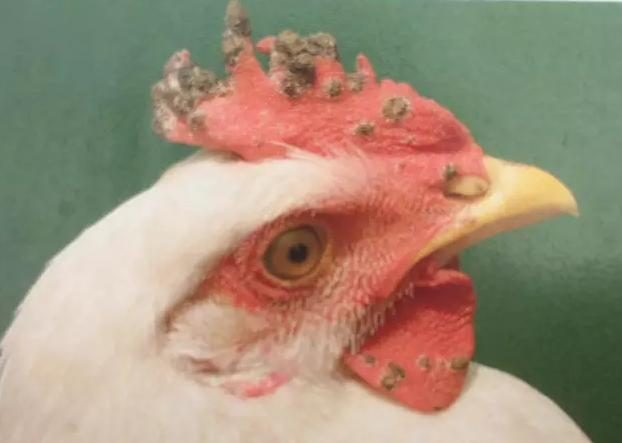
Fowl pox is an acute, contact‑transmitted infectious disease of poultry and other birds caused by the fowlpox virus. The disease spreads relatively slowly and is characterized by scattered pustules on featherless areas of the body, accompanied by nodular, hyperplastic skin lesions. In some cases, lesions may also affect the mucosa of the upper respiratory tract, oral cavity, and esophagus; when both types of lesions are present, the condition is classified as the mixed form. Fowl pox has a significant impact on poultry farms, often leading to stunted growth and reduced egg production in affected flocks. It can also predispose birds to secondary infections, resulting in high mortality rates and substantial economic losses for producers.
This disease can occur throughout the year, but susceptibility is highest in autumn and early winter, with occasional cases in summer. Typically, cutaneous forms predominate in autumn and early winter, while mucosal forms are more common during the winter months. Transmission of fowl pox usually occurs through direct contact between infected and healthy poultry; shed and fragmented scabs serve as one of the primary vectors for spreading the virus. Certain adverse environmental factors—such as overcrowding, poor ventilation, darkness, damp conditions, ectoparasites, pecking or trauma, inadequate husbandry, and vitamin deficiencies—can accelerate the onset of fowl pox or exacerbate the clinical course, potentially leading to secondary infections like chronic respiratory disease.
Clinical symptoms
Cutaneous form: This type primarily affects the skin surface or areas with sparse feathers, such as the head, wattles, eyelids, and the area around the nostrils. It may also manifest as pustular crusts on the wings, abdomen, legs, and feet. Initially presenting as small gray‑white nodules, these lesions gradually evolve into gray‑white scars. The cutaneous form typically does not cause prominent systemic signs; however, in more severe cases, affected birds may exhibit depression, reduced appetite, emaciation, and even death.
Mucosal type: Also known as the “diphtheritic type,” this form of the disease primarily affects the mucous membranes of the oral cavity, pharynx, trachea, and conjunctiva. The resulting scabs can obstruct the larynx, leading to asphyxiation and death in affected chickens. In the mouth, these scabs impair feeding and swallowing, causing emaciation; when scabs develop on the eyes, they may result in blindness, often accompanied by other clinical signs. Consequently, the mucosal form of fowl pox poses a particularly severe threat to poultry. Clinical signs include difficulty swallowing, open‑mouth breathing, and blindness with tearing.
Postmortem findings
Cutaneous type: The characteristic lesion is characterized by hyperplasia of the epidermis and the underlying follicular epithelium, forming nodules that initially appear moist but later become dry. The lesions are round or irregular in shape, with the skin becoming rough and taking on a grayish or dark brown hue. Before the nodules dry, incision reveals a bleeding, moist cut surface. Once crusted, the nodules tend to slough off, leaving behind scars.
Mucosal fowlpox: Lesions occur on the oral mucosa, nasal cavity, pharynx, larynx, eyes, or other mucosal surfaces. In the early stages, slightly raised white nodules appear on the mucosal surface; later, these coalesce into plaques and develop into caseous pseudomembranes that can be peeled off. Occasionally, the entire tracheal mucosa becomes thickened, and when the lesions extend into the bronchi, they may give rise to pneumonia in the adjacent lung tissue.
Preventive and control measures: Implement sound husbandry practices. As mosquitoes and other blood‑sucking insects are most active during the summer and autumn, intensify insect‑control efforts within poultry houses to prevent virus transmission. Keep poultry of different ages and breeds segregated to avoid cross‑infection. Maintain an appropriate stocking density, ensure adequate ventilation, and provide a complete, balanced diet to enhance nutritional status and strengthen the birds’ immune defenses, thereby reducing the risk of infections caused by feather‑pecking or seasonal injuries.
The most effective method for preventing fowl pox is vaccination. In breeding farms and poultry operations where fowl pox is prevalent, susceptible young birds should be vaccinated using either the wing-web puncture technique or the follicular‑smear method.
Systemic treatment: Use Doudukang to inhibit viral replication, and apply Ganqingbi to prevent secondary infections. Adding fish liver oil to the feed can facilitate recovery from this condition.

Key words:
Contact Us
Administrative service telephone:0532-85212368
Sales Advisory Phone:0086-532-85212381
E-mail:zhongrenyaoye@126.com
Address: No.6 Road, Jiaoxi Industrial Park, Jiaozhou City, Qingdao, Shandong Province

Qingdao Zhongren Animal Medicine Co., Ltd
Zhongren Aquatic Products