
In summer, pay attention to the prevention and control of porcine hemoplasmosis.
2026-06-05
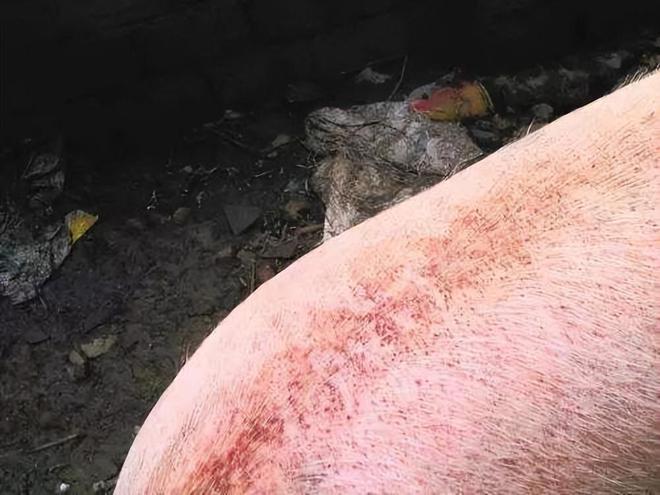
Eperythrozoonosis in pigs is transmitted through the ingestion of blood and blood‑containing materials, such as during aggressive interactions—like fighting and biting—or by licking wounds from tail docking. The pathogen is disseminated by living vectors, including blood‑sucking insects, chiggers, and lice. Syringes can also serve as a source of infection: pigs infected with Eperythrozoon can become cross‑infected during intramuscular injections for treatment or vaccination. Transmission may also occur during mating. Among all modes of transmission, vector‑borne spread is the most significant factor contributing to the incidence of this disease.
Eperythrozoonosis in pigs is a disease that arises from the combined effects of multiple factors. Under normal conditions, infection does not typically cause acute clinical signs in healthy, well‑managed pigs; however, stress is the primary trigger for the onset of the disease. Sows during farrowing, high stocking densities, adverse weather, poor husbandry practices, long‑distance transportation, changes in feed or housing, and pigs with compromised immunity are particularly susceptible to outbreaks of eperythrozoonosis.
Eperythrozoonosis in pigs is most prevalent during the warm, humid summer months, particularly under conditions of high temperature and humidity, while cases are relatively rare in winter.
Maintain proper hygiene in the pigsty by promptly cleaning it and keeping it dry and tidy. Regularly wash all feeding equipment, and conduct thorough, routine disinfection of the pigsty. During the summer and autumn months, frequently spray insecticides to prevent insect bites that can transmit diseases.
Strengthen feeding management, ensure a balanced diet, enhance disease resistance, and reduce stress responses in the pig herd.
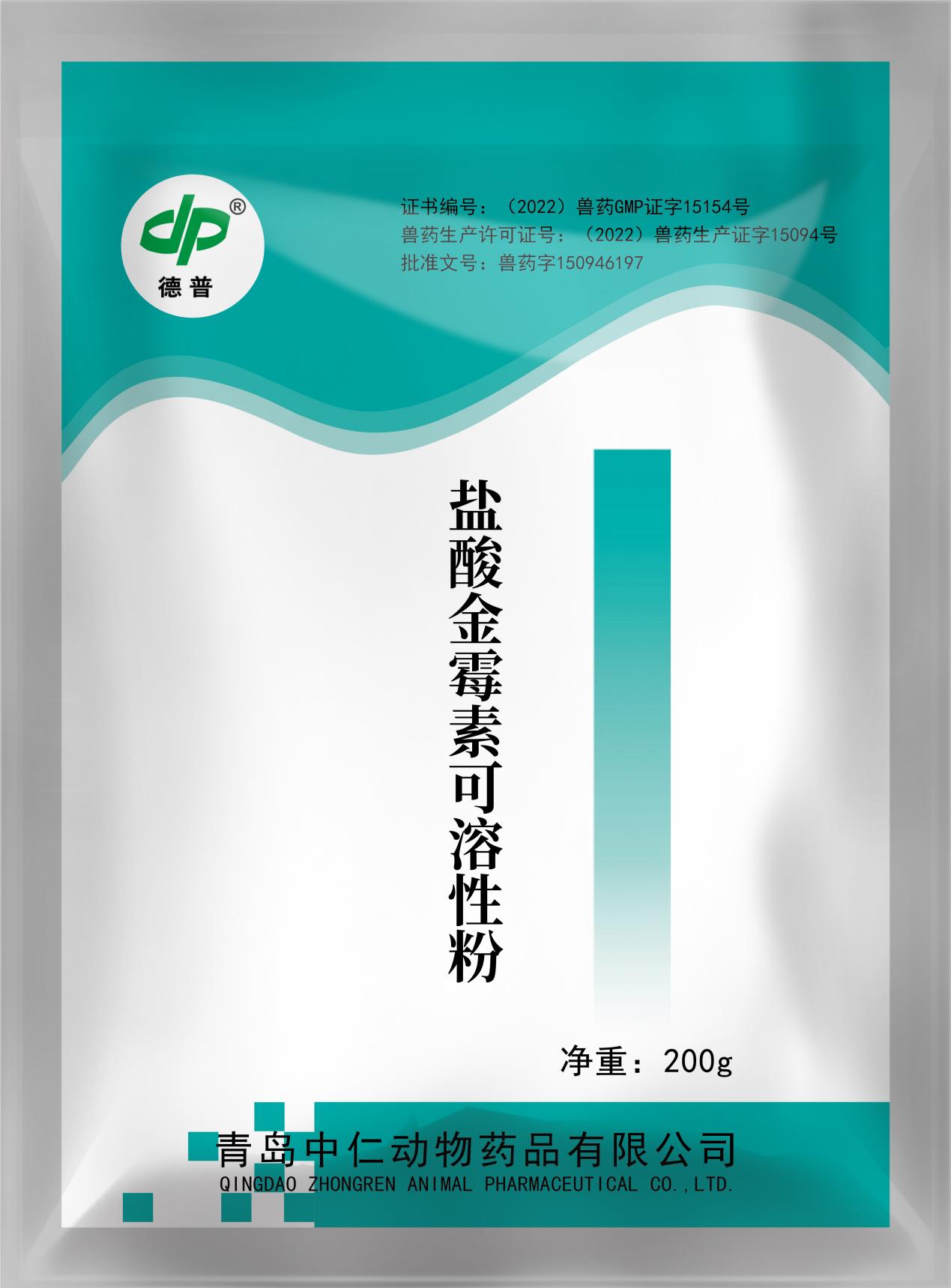
Preventive and control measures: During outbreaks of porcine hemoplasmosis, incorporate chlortetracycline, oxytetracycline hydrochloride, or tylosin into the feed for prophylaxis, administering it continuously for 7–10 days. Alternatively, mix sodium sulfamethoxypyridazine with baking soda into the feed and administer it for 5–7 days.
Key words:
Contact Us
Administrative service telephone:0532-85212368
Sales Advisory Phone:0086-532-85212381
E-mail:zhongrenyaoye@126.com
Address: No.6 Road, Jiaoxi Industrial Park, Jiaozhou City, Qingdao, Shandong Province

Qingdao Zhongren Animal Medicine Co., Ltd
Zhongren Aquatic Products