
Clinical symptoms and diagnosis and treatment of chicken small intestinal coccidia
2021-06-22
Qingdao Zhongren Animal Medicine Co., Ltd
Zhongren kinetic drug
Clinical symptoms and diagnosis and treatment of chicken small intestinal coccidia
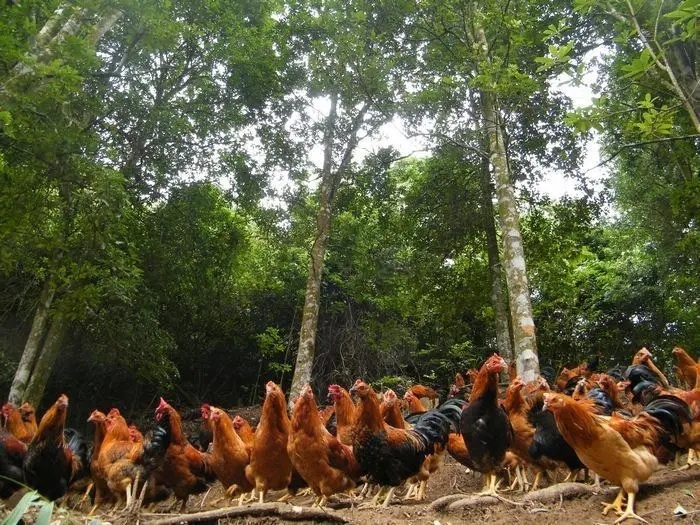
Chicken intestinal coccidiosis mostly occurs in high temperature and high humidity season, rainy climate, chicken feed environment, chicken age and health conditions can cause the occurrence of the disease. In particular, the chicken flock density is large, the environment is poor, and the incidence rate is higher when the ventilation is not good. Once the disease occurs, the mortality rate of scattered chicken farms is usually significantly higher than that of caged chicken farms. Therefore, it is recommended that everyone pay attention to the health of chickens in the process of raising chickens, and timely diagnosis and treatment.
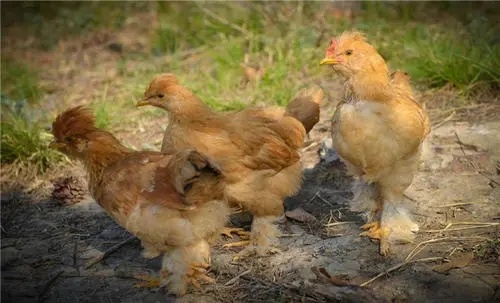
1. Chicken Intestinal Coccidiosis Symptoms
1. Clinical symptoms
Feces show more diarrhea, some chickens are not diarrhea, feces are relatively dry, but feces are very short, small and thin; Feces of diarrhea chickens mainly show indigestion, some chickens pull palm-sized gray-white milk-like stool, some like a pile of bean skin-like feces, with a lot of indigested feed; Some chickens have meat-like or tomato-like feces. Food intake is reduced, food intake is slow, there are leftovers in the trough, and there are also chickens with closed eyes but good spirits.
2. Symptom of autopsy
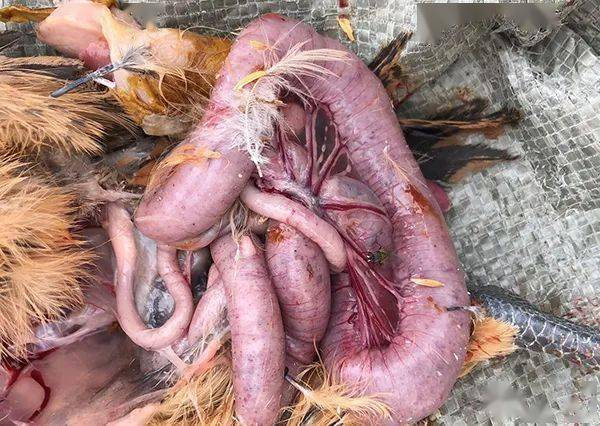
The intestinal canal is hypertrophic, thickened and dilated, there are coagulated blood clots in the intestinal canal, and the appearance of the small intestine is pale red or yellow. A large number of light gray spots appeared in the damaged duodenum and the anterior segment of the small intestine, arranged in a horizontal row, with a stepped appearance. Some red circular bleeding points the size of needles appear on the intestinal wall, which is obvious clinically. The intestinal mucosa is severely shedding, and there is a certain amount of yellowish-white exudate in the intestinal tract, and some of the mucosa has a ladder-like arrangement of horizontal stripes. Most of the symptoms of round white and red necrotic spots cannot be seen from the serosa of the small intestine, but some cases can still be seen in some cases.
Treatment of small intestinal coccidiosis in 2. chickens
Zhongren Xinqiu Special (300kg of water/bottle) drinks water, and at the same time, anti-ball (100kg of material/bag) mixes the material, and 3‰ baking soda is added to the feed for 4 days. The effect is very good.
Note: If the material cannot be mixed in the medication, the anti-ball can also be drunk. The new ball is separated from the anti-ball and is divided into morning and afternoon drinking water. At night, you can use kidney-type Chuanzhi Kang to drink water to protect the liver and kidney.
recommend today.
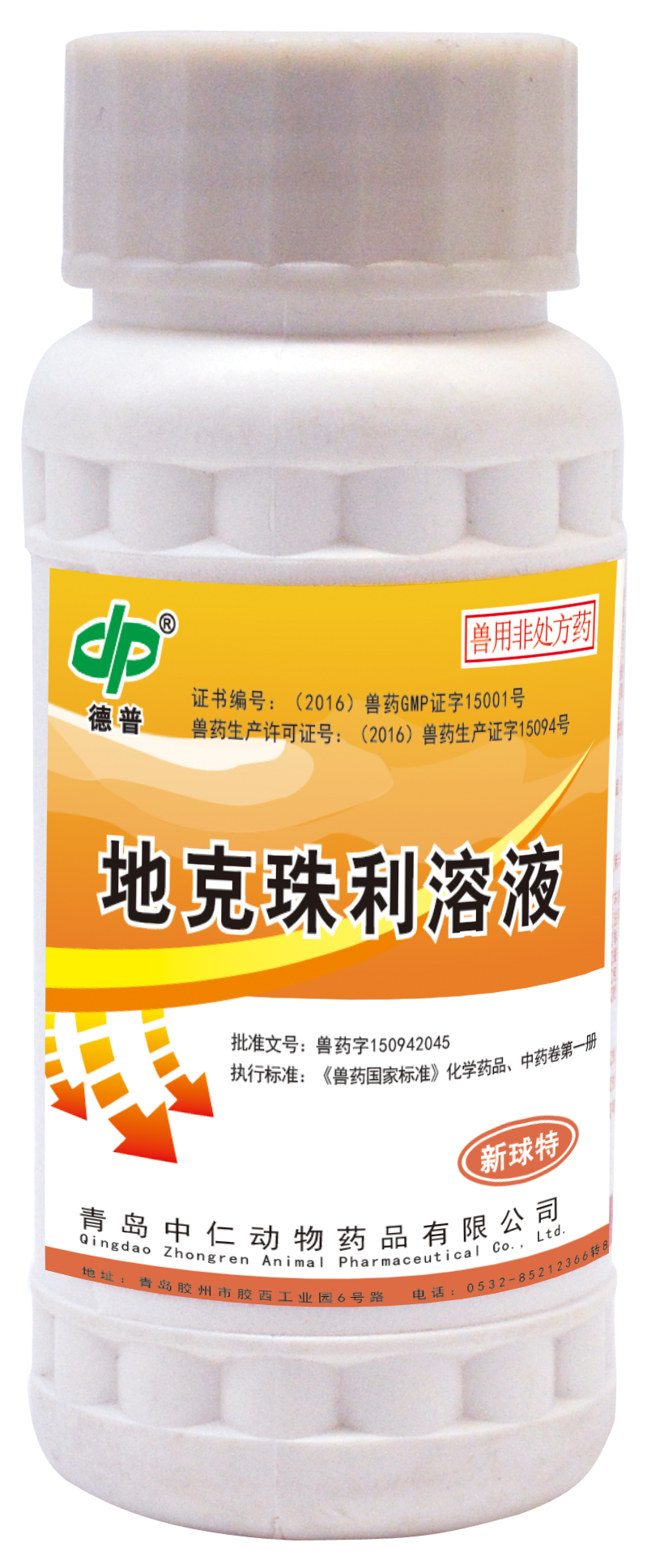
main ingredient]Dikazuli
character]This product is almost colorless to light yellow clear solution.
role and use]Anti-coccidiosis. Used to prevent chicken coccidiosis.
Usage and dosage]Mixed drink: per 1L of water, chicken 0.1~0.2ml.
adverse reaction]According to the prescribed usage and dosage, no adverse reactions have been seen.
[Note]](1) The stable period of drinking liquid of this product solution is only 4 hours. Therefore, it must be used now, otherwise it will affect the curative effect. (2) This product has a short effective period. After stopping the drug for 1 day, the anti-coccidiosis effect is obviously weakened, and the effect basically disappears after 2 days. Therefore, continuous medication must be used to prevent the recurrence of coccidiosis. (3) This product is more likely to cause coccidia resistance, and even cross-resistance (Toquzhuli), therefore, continuous use shall not exceed 6 months. Rotational medication should not be applied to similar drugs such as toltrizhuli. (4) When using this product, the operator should avoid contact with human skin and eyes. (5) the laying period of laying hens is prohibited.
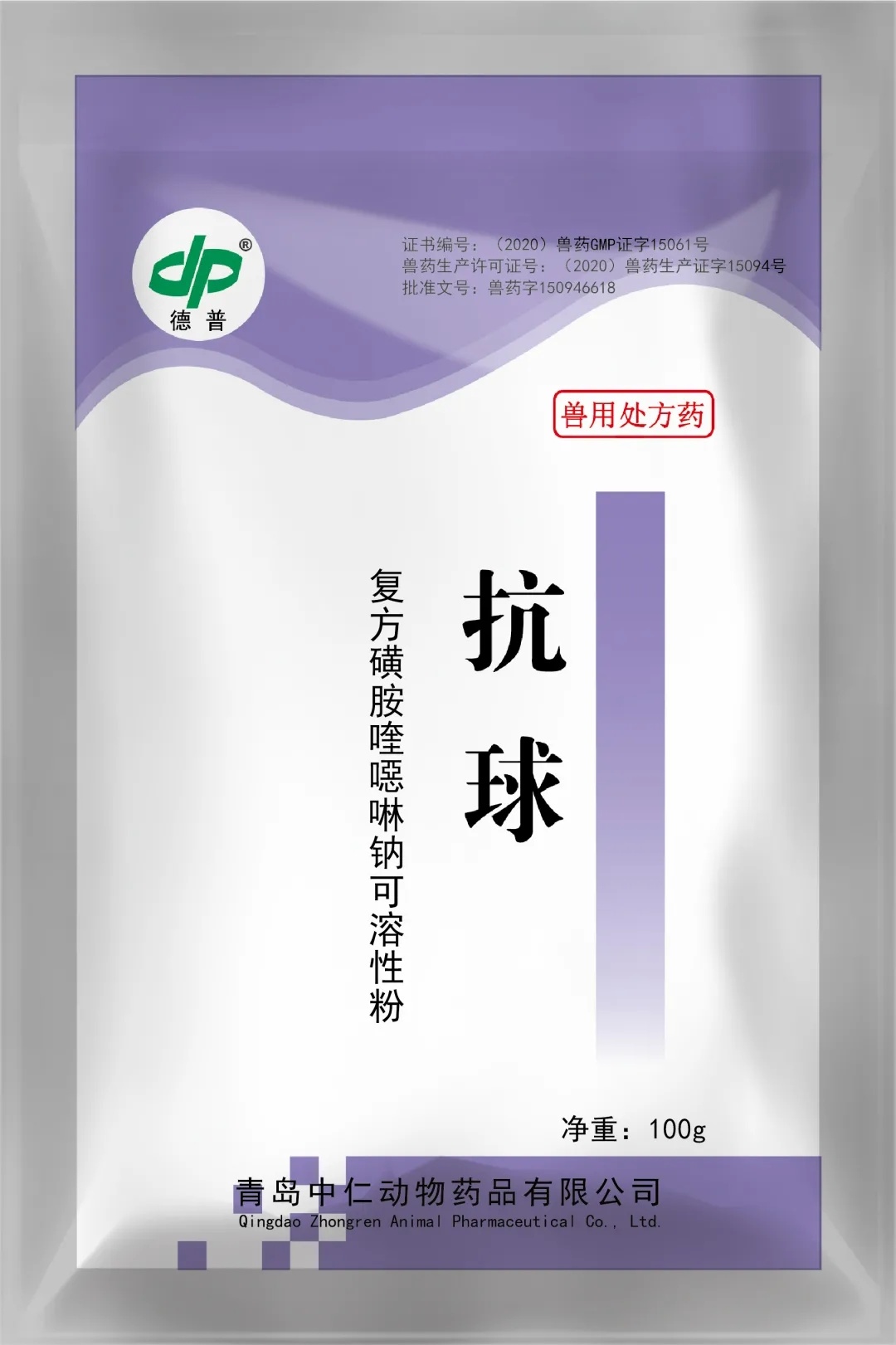
veterinary drug name]
Common Name: Compound Sulfaquinoxaline Sodium Soluble Powder
main ingredient]Sulfaquinoxaline sodium, trimethoprim
character]This product is light yellow powder.
role and use]Anti-coccidiosis. For the treatment of chicken coccidiosis.
Usage and dosage]100g of this product is mixed with 200kg of water for 3~5 days.
adverse reaction]Long-term use can damage the kidneys and nervous system, affect weight gain, and may cause sulfa poisoning.
[Note]](1) the laying period of laying hens is prohibited.
(2) Continuous medication should not exceed 1 week.
Key words:
Contact Us
Administrative service telephone:0532-85212368
Sales Advisory Phone:0086-532-85212381
E-mail:zhongrenyaoye@126.com
Address: No.6 Road, Jiaoxi Industrial Park, Jiaozhou City, Qingdao, Shandong Province

Qingdao Zhongren Animal Medicine Co., Ltd
Zhongren Aquatic Products