
Symptoms and prevention of infectious rhinitis in chickens
2021-06-11
Qingdao Zhongren Animal Medicine Co., Ltd
Zhongren kinetic drug
Symptoms and prevention of infectious rhinitis in chickens
Clinical manifestations
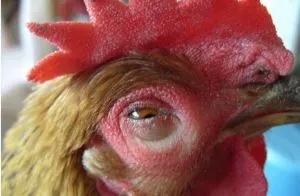
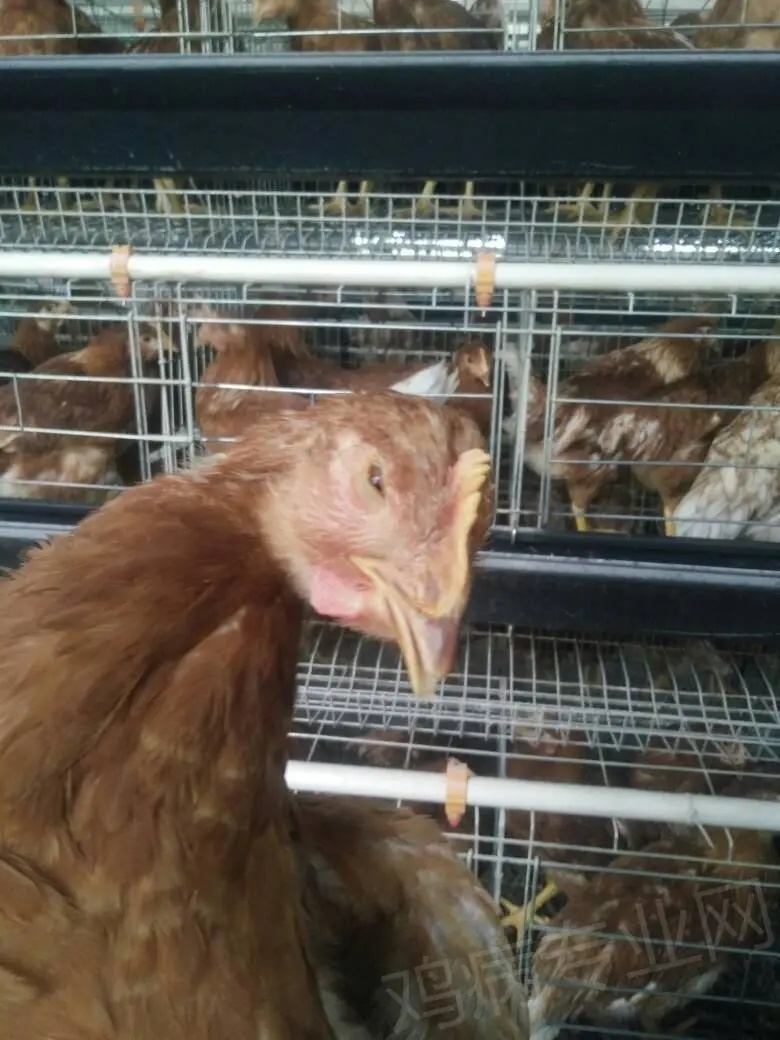
Chickens have reduced feed intake, respiratory symptoms, mouth breathing, head shaking, sneezing, nasal juice thin to thick, nose often attached to chicken feathers or bedding, nasal cavity and suborbital sinus are filled with watery to grayish white viscous secretions or yellow cheese-like substances, and mucosa is red and edema. Face swelling and tears, fleshy red, thickening and swelling, chicks and chickens stop growing, laying hens egg production dropped sharply.
popular features
1. Chickens of various ages can be infected, but it mainly occurs in breeding chickens and laying hens over 4 weeks. The symptoms of laying hens are the most typical and serious, with high morbidity and low mortality, and egg production decreased by 10-40%.
2. Infected chickens are the main source of infection of the disease. Pathogens grow and multiply in the nasal cavity and suborbital sinus mucosa of infected chickens, and are discharged with nasal fluid to pollute the environment.
3. Healthy chickens can be infected by respiratory tract infections through inhalation of droplets and dust containing germs, and also by eating contaminated feed and drinking water through digestive tract infections.
4. The disease occurs frequently in autumn, winter and early spring, with short incubation period and fast spread, with 3-5 days of waves reaching the whole group.
Prevention
1, strengthen feeding management, regular vaccine immunization, the implementation of all in and out.
2, reduce the feeding density, strengthen ventilation, reduce stress.
3. Disinfect the site and cage every day to minimize all kinds of stress, improve ventilation and feeding density, keep the house dry and not wet.
4, the dead chicken timely removal, buried or burned.
Treatment
Chuanlike injection, 0.3-0.5 ml for each chicken, twice in a row, at the same time, compound sulfamonomethoxine sodium soluble powder mixed or drinking water, kidney type Chuanchikang drinking water
Note:
Cautious use of sodium sulfamonomethoxine during the peak period of laying hens will cause a decrease in egg production.
recommend today.
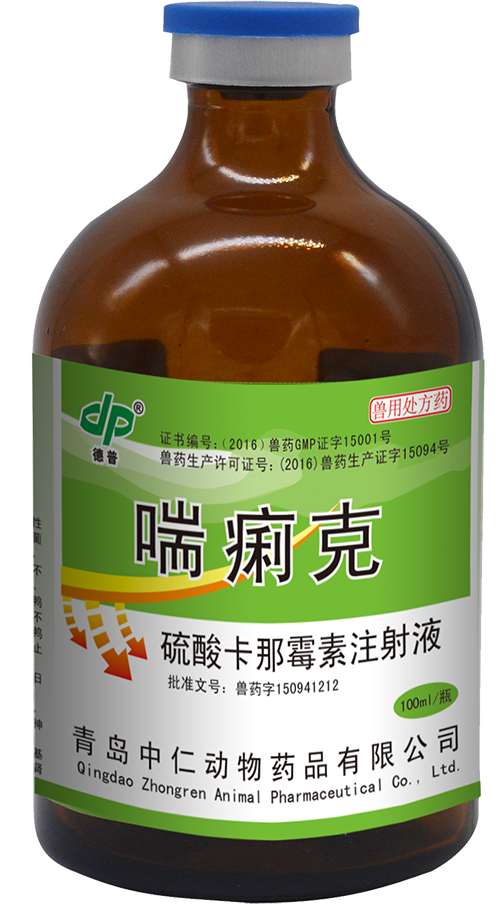
veterinary drug name]
Common Name: Kanamycin Sulfate Injection
Product Name: Chuan Li Ke
main ingredient]Kanamycin sulfate
character]This product is colorless to light yellow or light yellow-green clear liquid.
drug interaction]
(1) There is a synergistic effect with penicillins or cephalosporins.
(2) The antibacterial effect is enhanced in alkaline environment, and the combination of alkaline drugs (such as sodium bicarbonate, aminophylline, etc.) can enhance the antibacterial effect, but the toxicity is also enhanced accordingly. When the pH exceeds 8.4, the antibacterial effect is weakened.
(3)Ca2 、Mg2 、 Na \ n+U want it4+and K+Such cations can inhibit the antibacterial activity of this product.
(4) with cephalosporins, dextran, potent diuretics (such as furosemide, etc.), erythromycin, etc., can enhance the ototoxicity of this product.
(5) Skeletal muscle relaxants (such as succinylcholine chloride, etc.) or drugs with this effect can strengthen the neuromuscular blocking effect of this class of drugs.
role and use]Aminoglycoside antibiotics. For the treatment of sepsis and urinary tract, respiratory tract infections, but also for swine asthma.
Usage and dosage]Intramuscular injection, once, per 1kg body weight, livestock 0.1~0.15ml. 2 times a day for 3 to 5 days. Chicken, duck and goose 0.1 ml/kg, once a day for 2-3 days.
Drinking water: 100ml of this product is mixed with 200kg of water.
adverse reaction]
(1) kanamycin and streptomycin as ototoxicity, renal toxicity, and its ototoxicity than streptomycin, gentamicin stronger.
(2) Neuromuscular blockade is often caused by overdose.
[Note]]
(1) with other aminoglycosides have cross allergy phenomenon, the aminoglycoside allergy of livestock disabled.
(2) with caution when suffering from animal dehydration or renal function damage.
(3) in the treatment of urinary tract infection, at the same time, oral sodium bicarbonate can enhance the efficacy.
(4)Ca2 、Mg2 、 Na \ n+U want it4+, K+Such cations can inhibit the antibacterial activity of this product.
(5) combined with cephalosporins, dextran, potent diuretics, erythromycin, etc., can enhance the ototoxicity of this product.
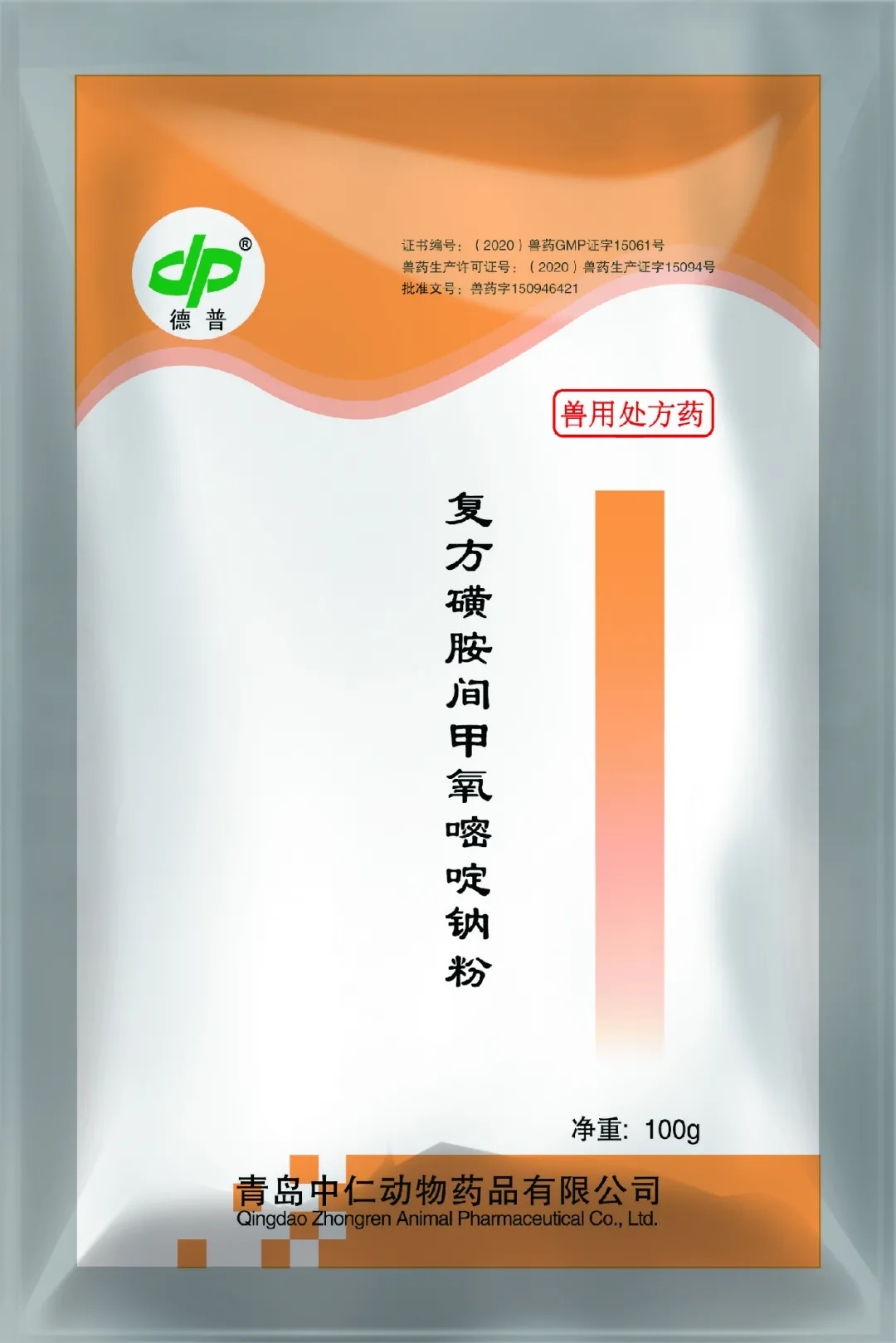
veterinary drug name]Common Name: Compound Sulfamonomethoxine Sodium Powder
main ingredient]Sulfamonomethoxine sodium, trimethoprim
character]This product is white or almost white powder.
role and use]Sulfonamides. For sensitive bacteria caused by respiratory tract, gastrointestinal tract, urinary tract infection and coccidiosis, toxoplasmosis, etc.
Usage and dosage]Mixing or drinking water: 1. raccoons, foxes and minks 0.1~0.15 g/kg body weight, I .e. 100g of this product can be used for 500~800 minks or 300~500 fox and raccoon dogs once a day for 3-5 days. 2. Livestock and poultry: 100g of this product is mixed with 100kg of material or 200kg of water for 3-5 days.
adverse reaction]Long-term or heavy use can damage the kidneys and nervous system, affect weight gain, and may cause sulfa poisoning.
[Note]]
(1) Continuous medication should not exceed 1 week.
(2) For long-term use, sodium bicarbonate should be taken at the same time to alkalize urine.
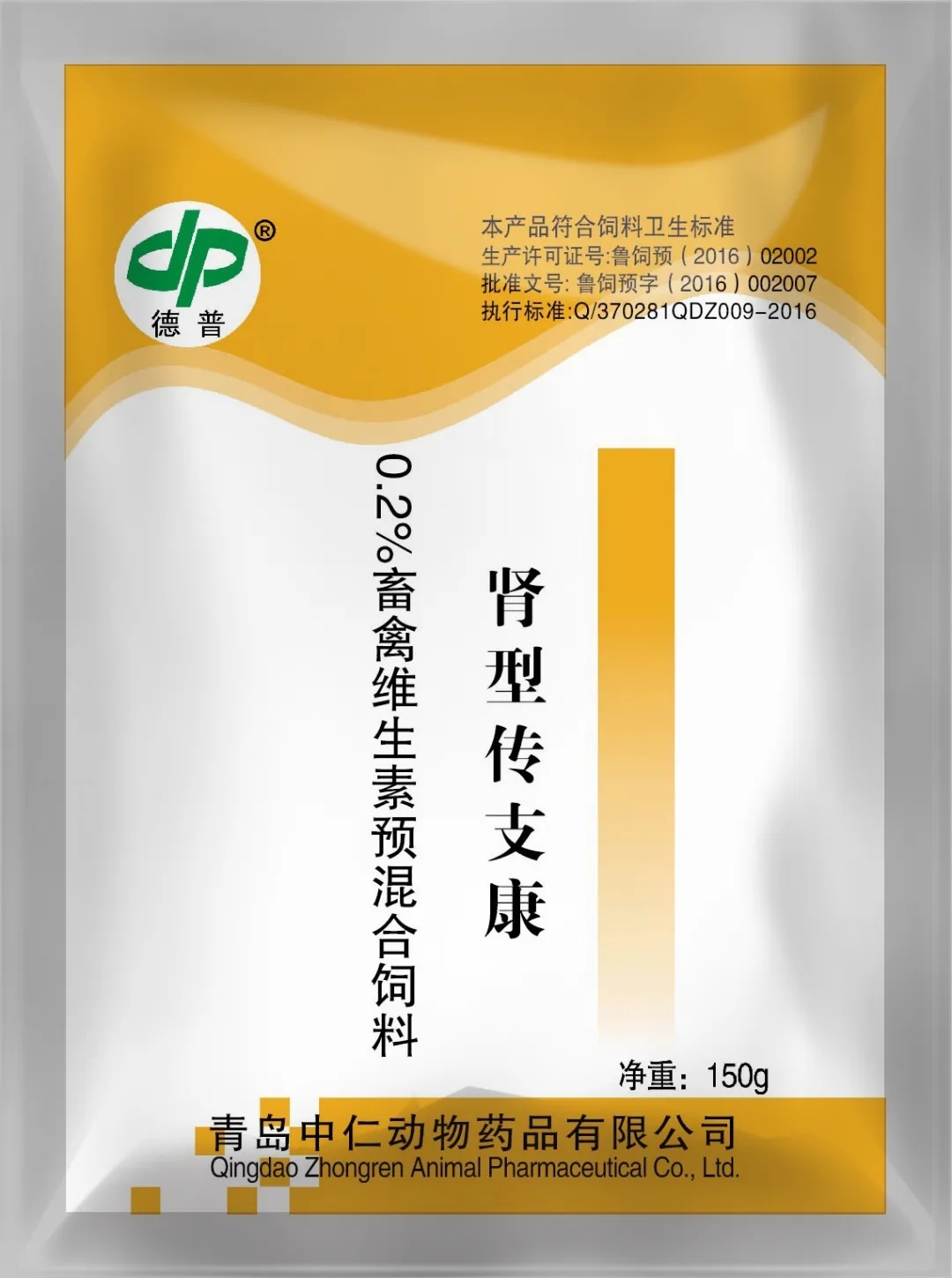
[product name]]
Common name: 0.2% vitamin premixed feed for livestock and poultry
Trade name: Kidney type Chuanzhikang
raw material composition]Sodium chloride, potassium chloride, sodium bicarbonate, glucose
[product features]]Supplementing sodium and potassium ions and nutrients in body fluids, regulating acid-base balance of body fluids.
role use]It is used to correct electrolyte disorder caused by diarrhea and heat stress. It is used for various nephritis, kidney swelling and spotted kidney of birds caused by renal infectious bronchitis, Escherichia coli, Salmonella and other infections. Symptoms include fear of cold, high fever, decreased food intake, increased drinking water, dilute feces, mild (or no) respiratory symptoms, rapid decline in egg production rate in the late stage of laying hens, and thin egg white such as water, sand-skinned eggs, deformed eggs, etc. It can also be used for adjunctive treatment of poultry gout and sulfonamides poisoning.
Instructions for use]1. Infectious bronchitis of chicken kidney type: 150g of this product is mixed with 60kg of water in each bag, drinking water 24 hours a day, quickly controlling death, and using it for 3 days without adding any more. 2. Kidney swelling caused by general reasons: 150g of this product is mixed with 400kg of water, drinking water 24 hours a day for 2 days.
[scope of application]]Breeding animals such as livestock and poultry.
[Note]]This product will be used up as soon as possible after opening, and it will not be used up at one time. Please keep it sealed.
Key words:
Contact Us
Administrative service telephone:0532-85212368
Sales Advisory Phone:0086-532-85212381
E-mail:zhongrenyaoye@126.com
Address: No.6 Road, Jiaoxi Industrial Park, Jiaozhou City, Qingdao, Shandong Province

Qingdao Zhongren Animal Medicine Co., Ltd
Zhongren Aquatic Products