
Symptoms and treatment of sheep pulmonary filariasis
2021-05-07
Qingdao Zhongren Animal Medicine Co., Ltd
Zhongren kinetic drug
Symptoms and treatment of lung filariasis
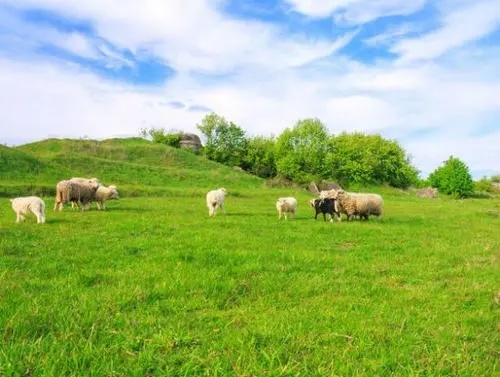
0/1 sheep lung filariasis is a kind of insect-borne disease, which can be caused by large lung filariasis, such as filamentous mesogastric nematode or small lung filariasis. Sheep lung filariasis is more likely to occur in humid and high temperature environment. In most cases, sheep lung filariasis will occur in January-April. The temperature is higher in summer, but forage grass is rich, which is helpful to the disease resistance of sheep flock, under the condition of sufficient nutrition to enhance resistance, pulmonary filariasis infected by sheep will live in alveolar or mesenteric lymph nodes for 5 to 6 months. When spring comes, sheep lack of forage and their resistance decreases. Pulmonary filariasis parasitized in sheep begin to move and develop, which will lead to disease. Of course, it does not mean that the disease will not occur in summer and autumn. If there is continuous rainy weather in summer and autumn, it is likely that the disease will be caused by insufficient timely forage supplementation.
0/2 Clinical manifestations:
When goats or sheep are infected with the disease, they will show a transient dry cough followed by a sticky nasal discharge. Sticky nasal mucus becomes scab skin after dry knot, sheep frequent sneezing, dyspnea, pneumonia, loss of appetite, reduced rumination, emaciation, do not love to walk around. Symptoms will worsen after anemia, diarrhea, edema and other symptoms, and finally gradually die, nymphs mixed with sticky nose, blocking the throat of the sheep will cause the sheep to suffocate.
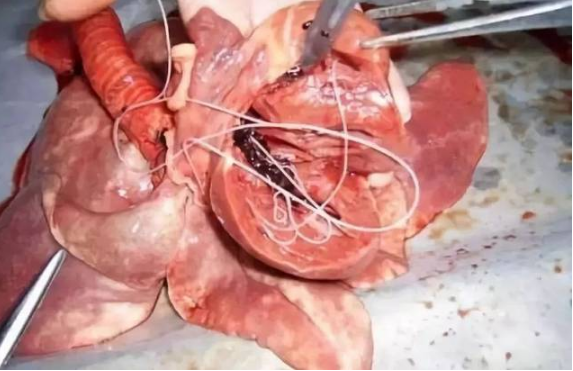
Necropsy: It can be found that the whole body is anemic and emaciated. The main area of the lesion is in the lung. There are small nodules similar to flesh at the edge of the lung, which are white. There are large plaques with different shapes and transparent at the bottom of the lung. There are congestion around the plaques. There are obvious mucus in the trachea and bronchus, which are red or yellowish white.
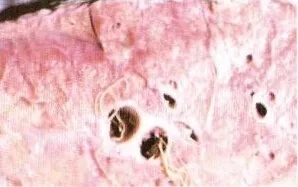
0/3 treatment plan:
1. Doramectin injection: 1 ml per 50kg of body weight
2, chubitai mix, 200kg/bag, 3-5 days
recommend today.
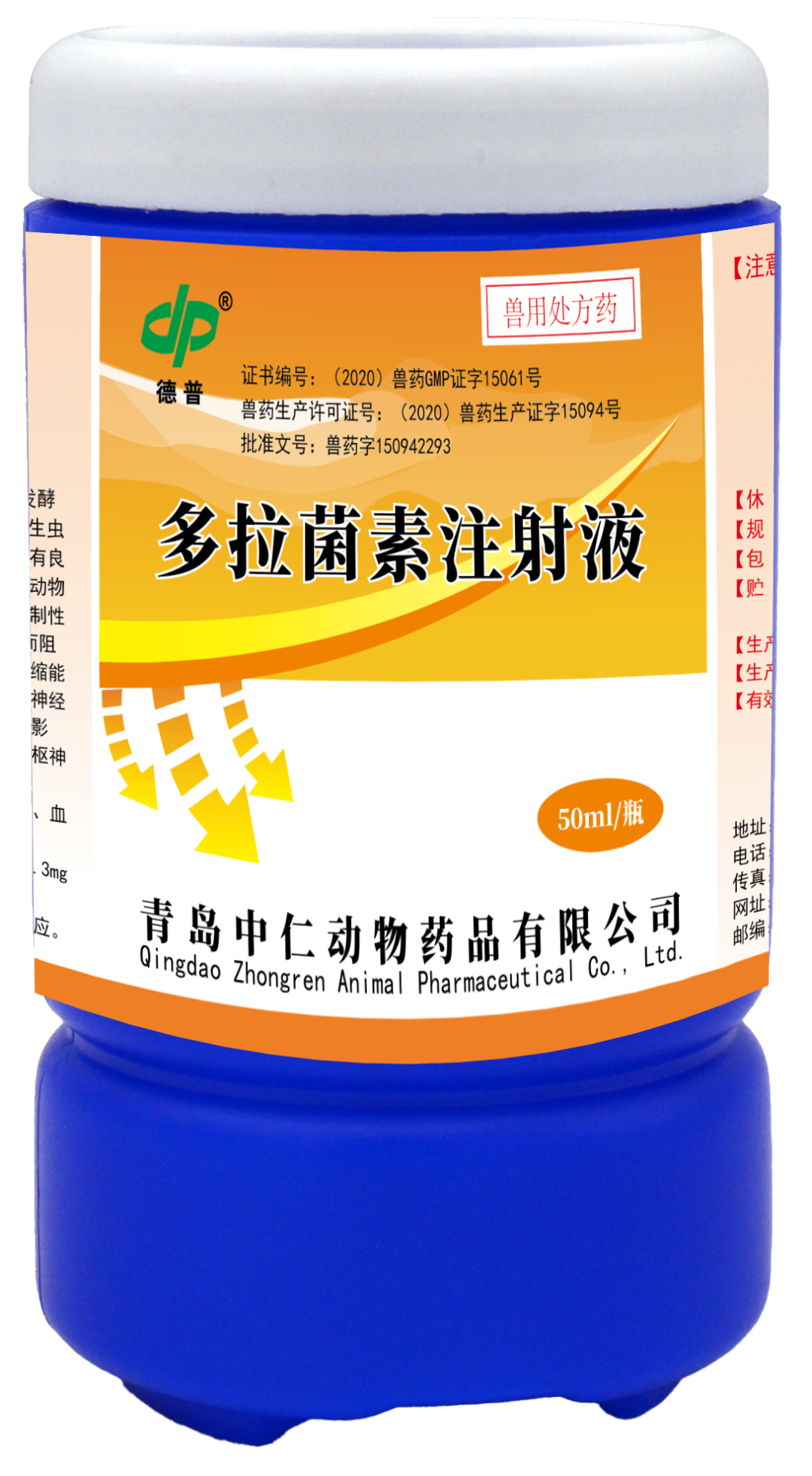
main ingredient]Doramectin
character]Colorless or yellowish clear oily liquid.
role and use]Anti-parasitic drugs. For the treatment of livestock nematodes, blood lice, acariasis and other parasitic diseases.
Usage and dosage]Intramuscular injection: once, 0.3mg per 1kg of body weight for pigs (I .e. 1ml for 33Kg of body weight).
adverse reaction]According to the prescribed usage and dosage, no adverse reactions have been seen.
[Note]]
(1) Place the product out of reach of children.
(2) When using this product, the operator should not eat or smoke, and wash hands after operation.
(3) the rapid decomposition of this product inactivation under sunlight, should be kept away from light.
(4) The remaining drugs are toxic to fish and aquatic organisms, and attention should be paid to the protection of water resources.
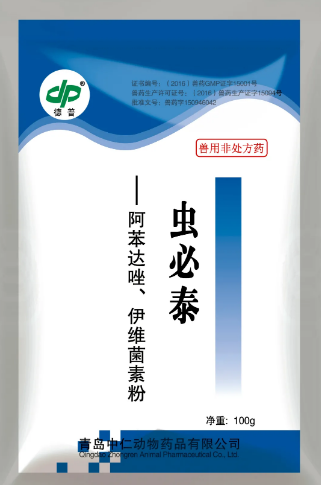
main ingredient]Albendazole, Ivermectin
character]This product is white or almost white powder.
role and use]Insect repellent. Used to repel or kill swine nematodes, trematodes, tapeworms, mites and other internal and external parasites.
Usage and dosage]Mix into feed for oral administration.
(1) The amount of mink fox raccoon is 0.15 g/Kg body weight once, I .e. 100g of this product can be taken by 700Kg animals once (100 adult fox raccoon dogs and 500 minks), and it is used once again at intervals of 5-7 days. When the animals are divided into nests, the whole group will deworming once, and then every 1-2 months.
(2) pigs, cattle, sheep and poultry shall be taken orally once, 1g/10Kg body weight, once at intervals of 5-7 days, or 100g of this product shall be mixed with 200-300kg feed for 5-7 days.
adverse reaction]According to the prescribed usage and dosage, no adverse reactions have been seen.
[Note]]Ivermectin in this product is highly toxic to fish and shrimp. Do not pollute the water source with residues, packaging products and animal excreta.
Key words:
Contact Us
Administrative service telephone:0532-85212368
Sales Advisory Phone:0086-532-85212381
E-mail:zhongrenyaoye@126.com
Address: No.6 Road, Jiaoxi Industrial Park, Jiaozhou City, Qingdao, Shandong Province

Qingdao Zhongren Animal Medicine Co., Ltd
Zhongren Aquatic Products