
[First-line Dry Goods] Key Points of Early Management of Shrimp Breeding in Small Shed
2021-05-07
Qingdao Zhongren Animal Medicine Co., Ltd
Chinese aquatic products
[First-line Dry Goods] Key Points of Early Management of Shrimp Breeding in Small Shed
Shrimp in shacks in spring in northern Jiangsu are generally released in late March. When the seedlings are released for about a month, it is a period of high incidence of shrimp disease in small sheds. The main reasons are the following aspects.
(I) physical reasons:
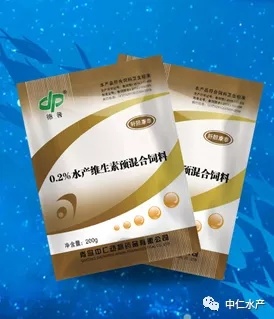
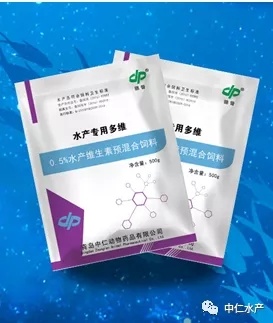
After raising shrimp seedlings in a small shed for about a month, the prawns are about 5-7cm long and are still in the "liver conversion period". "Transhepatic period" guide whitening shrimp hepatopancreas surface "white film" process from scratch. The color and contour of the liver of the shrimp in the "turn to liver" gradually changed, and the function of the digestive system was not perfect. During this period, prawns are very sensitive to changes in the external environment, their own resistance is weak, and they are prone to stress reactions, which is the most prone to disease. During the conversion of prawns to liver, multi-dimensional, 5 g/kg ratio of special hepatobiliary Kangtai aquatic products can be selected to protect liver and gallbladder and strengthen nutrition. After regular use, the prawn liver is clear, the outline is obvious, and the effect is remarkable.
(II) environmental reasons:
(1) Water quality change is an important cause of shrimp disease. Changes in water quality can easily lead to changes in the algal phase, which in turn has a wide range of effects. Water source is an important factor affecting the algae phase of small shed shrimp. The water outside the river looks very good. Once it enters the high temperature and high nutrition environment of small shed, harmful algae will easily multiply rapidly and occupy the dominant position. Not only the fluctuation of hydration becomes larger, but also the chronic poisoning caused by algal toxins. These hidden effects are the main causes of shrimp disease. Shallow well water should be used as the water source as far as possible, or the outer river water should use chlorine dioxide 1 mu/bag in the reservoir to fully deodorize algae and enter the small shed. During daily maintenance, 3 booths/bottles of lactic acid bacteria stock solution can be sprinkled regularly to inhibit the growth of harmful algae such as cyanobacteria dinoflagellate, promote the growth of green algae diatoms, balance the algae phase, and stabilize the water body.
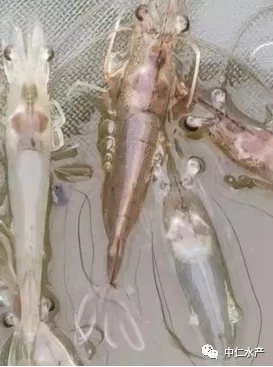
(2) The weather is one of the main factors leading to the incidence of shrimp, small shed shrimp seedlings after a month in the spring and summer communication, the weather changes greatly, sometimes sunny and sometimes rainy, prawns in a long-term stress environment, easy to produce stress red body and other symptoms. During this period, can splash clear water detoxification An 3 shed/bottle stress detoxification CE 3 shed/bag, detoxification anti-stress, improve immunity.
Causes of (III) pathogens:
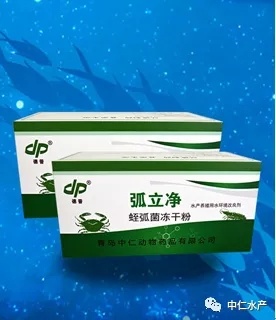
The water temperature in the small shed slowly rose to about 25-28C after the seedling was released in about January, which was the most suitable temperature for the breeding of virus and bacteria. Once shrimp seedlings are infected with viruses and bacteria, they are very easy to break out in large numbers. It is rainy during the rainy season, the bottom of the pond is easy to deteriorate, the organic matter increases, and bacteria are naturally easy to breed. At this time, the most important thing to prevent and control is Vibrio prawn. Vibrio is a Gram-negative bacterium, short rod-shaped, motile, and extremely single-flagellated. The optimum growth temperature of Vibrio is about 25 degrees. Vibrio is abundant in brackish water and seawater, and less in fresh water. Prevention and control of vibrio first use super bottom net change bottom, improve the bottom environment, sterilization and disinfection. Then use arc standing net, dissolve in water and spill 2 shed/bottle. The effect is remarkable.
Key words:
Contact Us
Administrative service telephone:0532-85212368
Sales Advisory Phone:0086-532-85212381
E-mail:zhongrenyaoye@126.com
Address: No.6 Road, Jiaoxi Industrial Park, Jiaozhou City, Qingdao, Shandong Province

Qingdao Zhongren Animal Medicine Co., Ltd
Zhongren Aquatic Products