99% of the calcium ingested by chickens is used to form bones and eggshells, and the rest of the calcium is distributed in body fluids in a free state, which plays an important role in maintaining the normal function of nerves, muscles and heart and maintaining acid-base balance in the body. The phosphorus intake of chickens is about80%Together with calcium, it forms bones (bones contain calcium36.5%Phosphorus17%), the rest are distributed in the whole body tissues and have a wide range of physiological effects.
The rate of action of calcium and phosphorus depends on the content of vitamin D in the feed. in vitaminDWhen lacking, the absorption and transportation of calcium and phosphorus in the small intestine are reduced, the deposition of calcium and phosphorus in the bones of growing chicks is reduced, and the content of calcium in the eggshell of laying hens is reduced. The improper proportion of calcium and phosphorus in the diet also affects the absorption and function of calcium and phosphorus. Excessive calcium may lead to calcium, phosphorus imbalance, bone distortion. Excess phosphorus can cause malnutrition in bone tissue. Therefore, calcium, phosphorus deficiency and proportion imbalance, can cause chick rickets and laying hens rickets.
(I) etiology
1. The content of calcium and phosphorus in the diet is insufficient or lacking
First, the formula did not meet the chicken's requirements for calcium and phosphorus when designing the formula. Second, due to the poor quality or adulteration of feed raw materials, the calculated value of the formula does not match the actual content of raw materials, especially the lack of phosphorus is more common.
2. Calcium, phosphorus ratio imbalance
Calcium, phosphorus in the feed to have the appropriate proportion is conducive to the absorption of chicken. The common cause of excessive calcium is feeding chicks or young chickens with the feed of laying hens, or adding too much shell powder and lime to the feed.
3. Vitamins in the dietDInsufficient
Vitamin D can regulate the metabolism of calcium and phosphorus and promote the absorption of calcium and phosphorus. If there is a lack of vitamins in the feedDEven if the calcium and phosphorus content is sufficient, it cannot be completely absorbed.
4. Excess fluorine
As a source of calcium and phosphorus, excessive fluoride content of calcium hydrogen phosphate can affect bone calcification and decalcification of bones.
(II) symptoms
1. Calcium deficiency
Disease chicks are mainly manifested as growth and development is blocked, legs become soft, standing instability, lameness, severe lying on the ground. The chicks also saw that when they were forced to stand, their legs were stiff and forked out in the shape of "eight" or bent outward in the shape of"O"Form, the spirit is depressed, the appetite is exhausted, after failure death. Calcium deficiency in adult chickens is mainly found in laying hens and is characterized by weakness of legs, paralysis in severe cases, decreased egg production, thinning of eggshells or soft-shelled eggs.
2. Phosphorus deficiency
The clinical characteristics of chicks are sudden onset, obvious lameness and difficulty in standing at the beginning of the disease, rapid progression and high mortality. Symptoms are similar to calcium deficiency.
(III) necropsy change
1. Calcium deficiency
The chick's beak shell becomes soft, the sternum is bent and deformed, and the severe case is"S"Shape. Wing, leg long bone soft and easy to bend, mid-term femur, tibia and metatarsal proximal section visible growth disc widening. The bone of the spine becomes soft."S"shaped bend. The lesion of diagnostic significance is the thickening and rounding of the ribs, soft and curved with"V"Shaped or wavy, folded in half continuously. The lesions of calcium deficiency in adult chickens are bone thinning and even fractures, especially the vertebrae, ribs, tibia and femur. Ducklings were characterized by soft and pliable ribs and large, white hemispherical projections of mung bean rickets beaded on the inner surface of the backbone.
2. Phosphorus deficiency
The characteristic lesion of the chick is that the ribs are flat and soft but not curved, and the head of the rib (proximal) is fusiform and beaded, gray-white. The characteristic lesion of ducklings is that the ribs are naturally everted and soft, and the middle part is bent into the chest cavity, which is still difficult to restore to its original state by force. The maxilla is extremely soft like rubber and is folded in half continuously. The tibia is mostly curved in arch, the backbone is thickened, and the middle part is mostly fractured and bulbous and hard.
3. Prevention and control (for reference only, please consult the online consultant of Poultry Disease Network for details)
Ensure the appropriate content of calcium, phosphorus and vitamin D in the diet, and the proportion of calcium and phosphorus is appropriate. The suitable amount of calcium in the diet of growing chickens was0.9%~1%, the appropriate amount of laying hens is2.25%~3.25%, the appropriate amount of phosphorus is0.55%~0.65%. The calcium and phosphorus contents of the raw materials (such as bone meal, fish meal, shell powder, stone powder, etc.) need to be tested in time. According to the demand of chickens, the actual addition amount should be calculated, and the ratio of calcium and phosphorus should be adjusted. Generally speaking, the ratio of calcium and phosphorus in the growing poultry diet is 2:1is appropriate, laying hens are higher, about3.5:0.4. The quality of the raw materials used should be guaranteed, and unqualified ones should not be used.
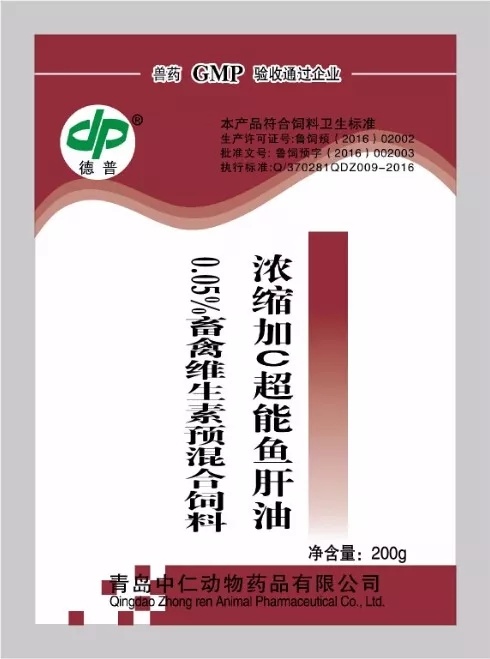
After the onset of the disease, the first test feed to determine the content of calcium, phosphorus and fluorine. If there is more calcium and less phosphorus in the diet, it is necessary to supplement phosphorus while supplementing calcium, such as calcium hydrogen phosphate and calcium superphosphate. If more phosphorus and less calcium in the diet, the main calcium supplement is shell powder. In the absence of laboratory conditions, 1% can be added ~2%High-quality bone meal, supplemented with cod liver oil (Concentrated with c cod liver oil, Zhongren Jinwei)。