
Duck legs soft up how to do?
2020-07-04
Qingdao Zhongren Animal Medicine Co., Ltd
Zhongren kinetic drug
Duck soft leg disease, also known as duck paralysis, can occur in ducks of all ages, usually in winter or spring when laying ducks are first born, and it is more common in the process of feeding restriction for meat breeding ducks. Sick ducks with light egg production is less, stunted, severe death.
Causes:
Damp site, poor ventilation, especially when feeding, less sunlight, lack of exercise, breeding density is too large and crowded and other reasons, can lead to the occurrence of this disease. Dietary nutritional deficiencies, especially calcium and phosphorus deficiency and imbalance, or vitamin D deficiency, are the main causes of the disease. In addition, zinc deficiency can also cause swelling of the tarsal joints, a series of changes in the bones, and lead to the occurrence of soft leg disease.
Bacterial diseases, especially arthritis, periarticular inflammation, synovitis and connective tissue hyperplasia and joint deformity caused by Staphylococcus aureus, are another cause of soft leg disease. When leaving the seed, the proportion of male and female is out of balance. There are too many male ducks and pecking each other, which can easily cause leg paralysis. Female ducks will also suffer from leg paralysis due to overburden, especially those with weak physique and small size. Rough operation in daily management, duck catching, vaccination, weighing, large group stress is easy to cause ducks to trample each other and trauma or hock injury.
Clinical symptoms:
The joints of the legs are swollen and deformed, walking is weak, difficult, unable to stand, easy to fall when walking too fast or too fast, and often support the ground with the hocks or wings in severe cases, eventually paralyzed. When laying ducks are sick, their egg production drops sharply due to difficulties in drinking and feeding.
What could be the duck's sudden failure to stand up?
1, duck cholera: one or both sides of the joint swelling, local fever, pain, difficulty walking, limp or completely unable to walk, lying on the ground.
2, duck paratyphoid fever: chronic cases see joint swelling, like lying, claudication.
3, duck staphylococcal disease: arthritis type; common in duck or duck side toe or tarsal joint swelling, as well as adjacent tendon sheath swelling, initial local fever, soft, pain, claudication, squatting unwilling to move.
4, duck streptococcal disease: toe or tarsal joint swelling, see more adult ducks, claudication, squatting.
Duck suddenly can not stand up must not panic, scientific diagnostic measures, effective treatment.
Prevention and control measures:
(1) Keep the duck house dry and ventilated, and do a good job of sanitation and disinfection, and regularlyPovidone Iodine SolutionDisinfection, frequent change of bedding, moderate grazing and exercise, more sun exposure.
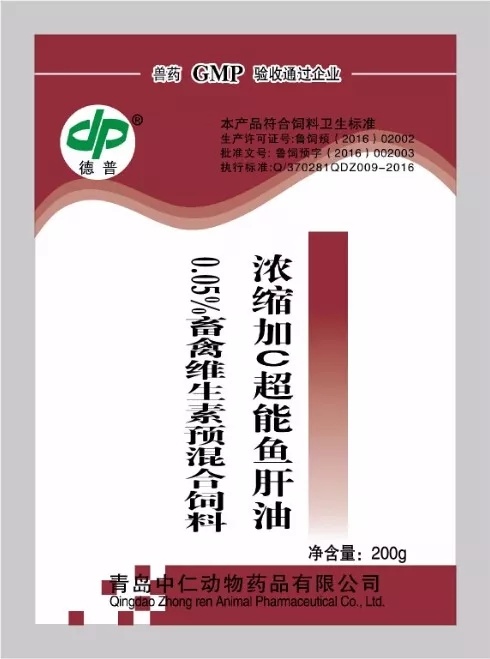
(2) To ensure the full supply of nutrients in the diet, during the high temperature period in summer and the late laying period of breeding ducks, vitamins in the feed should be appropriately increased (Concentrated with C Cod Liver OilorZhongren Jinwei) and mineral content.
(3) Strengthen feeding management to reduce the chance of trauma such as scratches and bruises, avoid rough operation and avoid stress reaction in large groups.
(4) During the laying period, the proportion of male and female ducks should be appropriate (the normal ratio is 1.5: 5.5).
(5) found sick ducks, to timely isolation treatment. Intramuscular injection of 1 to 2 ml of colloidal calcium containing vitamin D500 units per milliliter per day, one injection, continuous treatment for 2 to 3 days can be cured. Cod liver oil and shell powder can also be added daily and mixed with feed. For severely ill ducks, those with no therapeutic value should be eliminated.
Key words:
Contact Us
Administrative service telephone:0532-85212368
Sales Advisory Phone:0086-532-85212381
E-mail:zhongrenyaoye@126.com
Address: No.6 Road, Jiaoxi Industrial Park, Jiaozhou City, Qingdao, Shandong Province

Qingdao Zhongren Animal Medicine Co., Ltd
Zhongren Aquatic Products