
Analysis of the Causes and Prevention of Infectious Serositis in Ducks
2023-10-12
Qingdao Zhongren Animal Medicine Co., Ltd
Zhongren kinetic drug
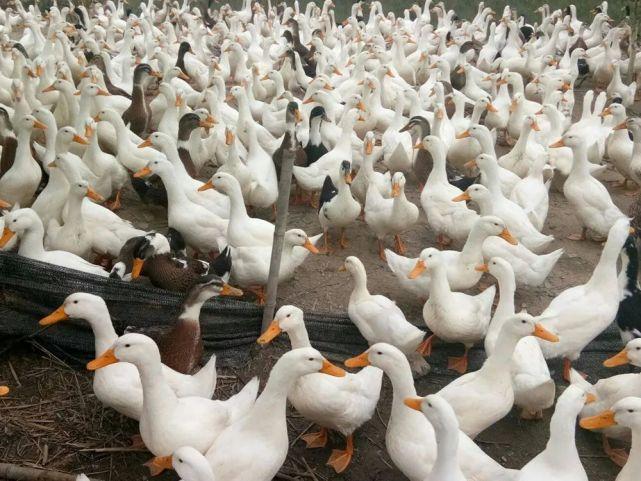
Infectious serositis in ducks is an acute septic infectious disease caused by Rimmel's disease, which is one of the main infectious diseases that harm commercial ducks. In recent years, it has been widely existed in the vast area of duck breeding in China, and most commercial meat duck farms have been popular to varying degrees, which is an important reason for the death of meat ducks and the abandonment of carcasses.
[Pathogen] The pathogen of this disease is Rimmella epidemicus, which is gram-negative short bacilli, does not form spores, has no motility, is single, in pairs or in chain arrangement, and is of size 0.2-0.4um. The poles of the Wright stain are slightly darker. It has been reported that the bacteria share21serotype.
popular features]1Susceptible age 1-7Week-old ducks are sensitive to this disease, but more often 10-30Day-old ducklings.
2Pathway of infection This disease is mainly through respiratory tract infection, Flipper spines, intramuscular injection and other ways can also cause morbidity and death.
3Morbidity and Mortality The incidence of natural infection is generally 20%-40%, some ducks can be as high 70%; the mortality rate of sick ducks was 5%-80%Not equal. Infection-resistant ducks are mostly converted to stiff ducks or residual ducks. The incidence and mortality of different breeds of ducks are different, and the incidence and mortality of Peking duck, Cherry Valley duck and Muscovy duck are higher.
4, precipitating factors The disease in the winter and spring season, poor sanitation, feeding density is too high, poor ventilation can promote the disease.
【Clinical symptoms】 The clinical manifestations of infected ducks were mental depression, crouching, neck constriction, head and neck skew, gait instability and ataxia, feces thin green or yellow-green. As the course of the disease progresses, some of the sick ducks turn into stiff ducks or residual ducks, showing poor growth and extreme emaciation.
[Dissection lesions] The most obvious autopsy lesions were fibrinous pericarditis, perihepatic inflammation, air sacculitis and meningitis, caseous salpingitis, splenomegaly, mottled. Local chronic infection of ducks on the body surface can be seen after slaughter and hair removal, with local swelling, rough surface and dark color, subcutaneous tissue bleeding and exudate after incision.
diagnostic points]1Clinical diagnosis According to the typical clinical symptoms of the disease and autopsy lesions, generally can be initially diagnosed.
2Laboratory diagnosis
(1)Fluorescent antibody technology to take the dead duck liver, spleen or brain tissue contact piece, acetone fixed, and then use direct or indirect immunofluorescence antibody technology for detection, visible tissue contact piece of the bacteria around the fluorescent dye bright, the center is slightly dark, scattered distribution or cluster arrangement.
(2)isolation and identification of bacteria Take the diseased tissue and inoculate it on trypsin soy agar plate(TSA)or chocolate agar plates, placed on5%-10%CO₂In the incubator37℃ culture24For hours, the visible surface is smooth and slightly protruding, with a diameter 1-1.5mmThe circular exposed strain-like small colonies. Typical colonies were then identified with standard positive serum for slide agglutination test or fluorescent antibody staining.
prevention and control]
1Management measures To prevent this disease, we must first improve the sanitary conditions of the brooding room, pay special attention to ventilation, keep dry, prevent cold and reduce the feeding density, and change the bedding frequently for the ground brooding. Do it. "All in and all out" in order to thoroughly disinfect.
2Immune prevention Ducklings in 4-7Day-old inoculation of duck infectious serositis inactivated oil adjuvant vaccine can effectively prevent the occurrence of this disease, and the immunity of meat ducks can be maintained until the age of the market. Since there are many serotypes of Rimmer's disease, the vaccine should contain the main serotype strains. Because ducklings are sensitive to both infectious serositis and E. coli, duck infectious serositis and E. coli can be used to prevent both diseases.
3, drug prevention Sensitive antibiotics should be selected for prevention and treatment according to the results of bacterial susceptibility test."plasma inflammation net” “Captive pulp”“Zhongren Gan Tai”、“Cassino”、“Kexi”、“Zhongren Gan Qingbi"The effect of drinking water is better.CassinoBetter effect with antibody injection.
Key words:
Previous:
Contact Us
Administrative service telephone:0532-85212368
Sales Advisory Phone:0086-532-85212381
E-mail:zhongrenyaoye@126.com
Address: No.6 Road, Jiaoxi Industrial Park, Jiaozhou City, Qingdao, Shandong Province

Qingdao Zhongren Animal Medicine Co., Ltd
Zhongren Aquatic Products