
What should you do if algae blooms appear during the farming process?
2026-06-05
I. The Harm Caused by Algae
1. Algae extensively absorb inorganic nutrients from the water, disrupting the normal nutrient cycling in shrimp and crab ponds, causing a rapid decline in water quality and adversely affecting the growth and development of benthic organisms such as shellfish.
2. The dense growth of green algae can cover the water surface, blocking light and impairing photosynthesis in aquatic plants. It can also accumulate on the pond bottom, preventing bivalves from carrying out normal gas exchange and leading to suffocation and death. Furthermore, green algae may entangle other cultured species, such as fish, shrimp, and crabs, hindering their feeding and ultimately causing them to die from starvation and asphyxiation.
3. Biofilms of filamentous algae can harbor and proliferate large numbers of pathogenic organisms, including bacteria, fungi, and ciliates; long-term consumption by aquatic organisms can easily lead to enteritis.
4. After moss dies, its decomposition releases toxic gases such as hydrogen sulfide, and it also causes a sharp increase in ammonia nitrogen levels and a decline in dissolved oxygen, leading to poisoning and hypoxic mortality among cultured aquatic species.
II. Causes of Excessive Algal Growth
1. Environmental factors: In winter, stagnant water left uncleaned and undisinfected allows green algae spores to germinate under suitable water temperatures; low water levels and high water transparency permit direct sunlight to reach the pond bottom, thereby promoting green algae growth.
2. Nutritional factors: The water is oligotrophic, with an imbalanced nitrogen-to-phosphorus ratio, and lacks beneficial algal species and essential nutrients.
3. Exogenous introduction: Water sources or aquatic plants may carry moss spores or filamentous structures.
III. Treatment of Algae
Take the following pond as an example:
Location: Xiangshui County, Yancheng City, Jiangsu Province
Date: March 21
Customer Situation: Before stocking postlarval black tiger shrimp, Mr. Luo of Baxu observed a significant proliferation of green algae in the pond.
Pond area: approximately 60 mu
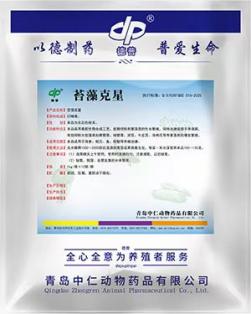
Using Zhongren’s newly developed product, “Algae & Moss Killer” (13 packets), the algae and moss will gradually turn yellow and wither within 1–5 days, and disappear completely in about 10 days.
Day 1:
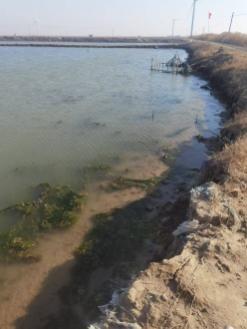
Day 3:

Day 5:
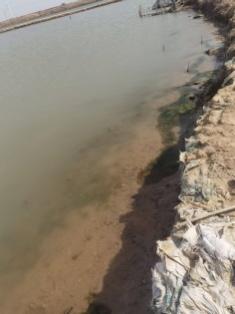
About ten days:
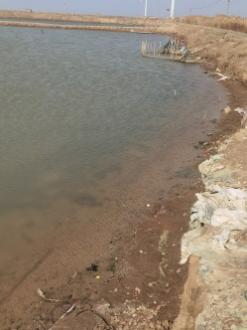
1. This product employs the latest biosynthetic technology, setting it apart from commonly used algaecides on the market—such as dichlobenil and prometon—which effectively control algae but may lead to resistance.
2. This product eliminates algae by inhibiting the Hill reaction in algal photosynthesis, thereby preventing the algae from carrying out photosynthesis and absorbing nutrients. It is safe for cultured species such as sea cucumbers, razor clams, fish, shrimp, and crabs, causing no irritation or adverse effects.
3. With a broad spectrum of application, it effectively controls and eliminates common harmful algae such as yellow‑tube algae, green‑tube algae, Enteromorpha, Cladophora, and sponge‑like algae, thereby inhibiting their growth and reproduction and keeping the pond bottom clean and clear.
IV. Post-Mortem Treatment of Moss
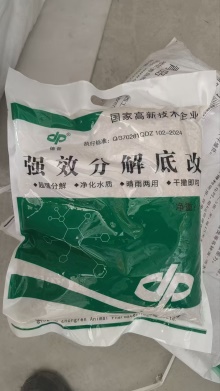
1. Bottom-conditioning agent: After algae die, their decomposition releases toxic gases such as hydrogen sulfide, causing a sharp increase in ammonia nitrogen levels and a decline in dissolved oxygen, which can lead to poisoning and hypoxic mortality among cultured aquatic species. To prevent this, we recommend using a powerful bottom‑decomposition agent, which effectively breaks down dead algae and decaying algal mats and degrades harmful substances like ammonia nitrogen, nitrite, and hydrogen sulfide. Application rate: One 5‑kg package is sufficient for 10 mu of pond area.
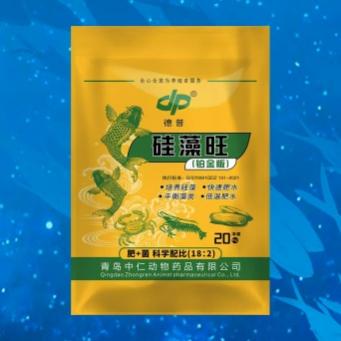
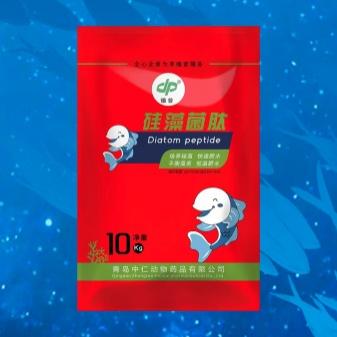
2. Fertilization: As green algae grow and multiply, they absorb inorganic salts and nutrients from the water. Some species form filaments that blanket the water surface, inhibiting photosynthesis by beneficial algae and preventing algal growth, resulting in poor water quality. After eliminating green algae, we recommend using Diatom Wang together with Diatom Peptide. This fertilizer contains algal-specific inorganic nutrients, active enzymes, organic nutrients, beneficial microorganisms, and a variety of amino acid peptides, providing the essential nutrients lacking for algal growth and reproduction. It is easily absorbed, delivers rapid fertilization, and helps quickly cultivate algae while suppressing green algae proliferation. Application rate: One 20‑kg bag of Diatom Wang covers 20 mu, and one 10‑kg bag of Diatom Peptide covers 10 mu.
Key words:
Previous:
Contact Us
Administrative service telephone:0532-85212368
Sales Advisory Phone:0086-532-85212381
E-mail:zhongrenyaoye@126.com
Address: No.6 Road, Jiaoxi Industrial Park, Jiaozhou City, Qingdao, Shandong Province

Qingdao Zhongren Animal Medicine Co., Ltd
Zhongren Aquatic Products