
Fish — Saprolegniasis
2026-06-05
I. Introduction to the Problem:
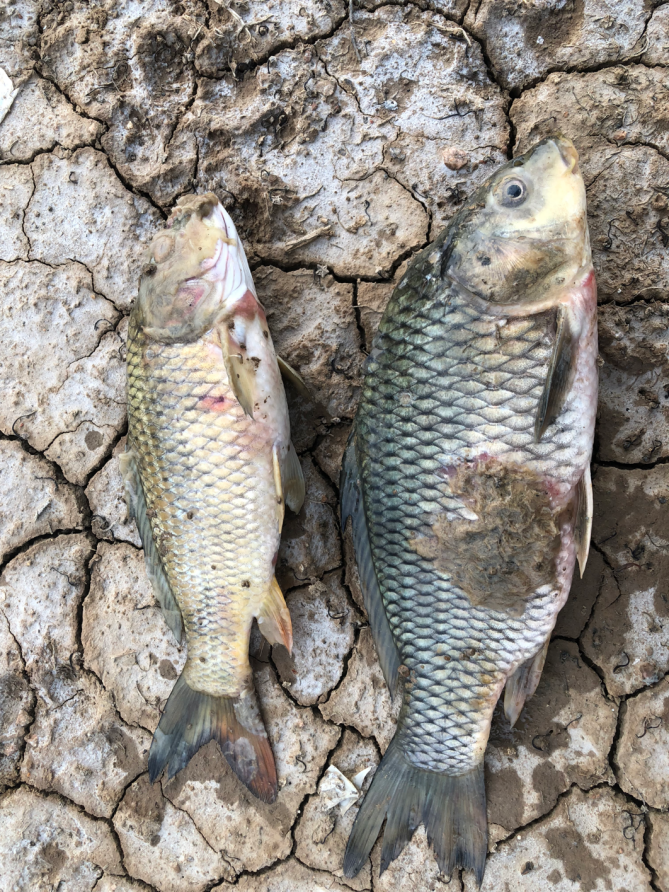
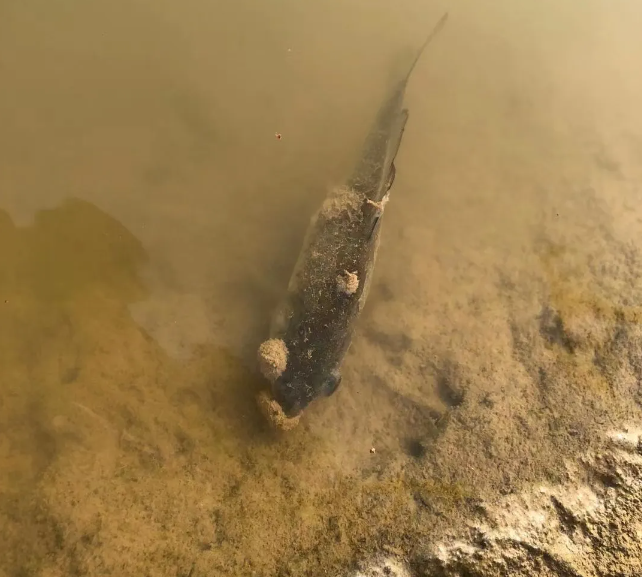
Saprolegniasis, commonly known as white spot disease or skin mold disease, is a fungal infection caused by the attachment of saprolegniaceous fungi to the fish’s epidermis. These fungi reproduce asexually via spores, colonizing the surface of infected fish and extending hyphae; under favorable conditions, they proliferate into white or grayish‑white, cottony masses, often referred to as “long hair.”
Saprolegniasis is most prevalent in late winter and early spring. The disease is easily contracted when water temperatures fall below 20°C, with an optimal growth range of 10–18°C; spore production is inhibited only when water temperatures exceed 28°C. In the early stages of infection, no visible symptoms are apparent; by the time they become detectable, the vegetative hyphae have already penetrated the skin, while the aerial hyphae grow outward as cottony masses adhering to the fish’s body, and the subcutaneous hyphae extend inward into the muscle tissue.
II. Root Cause Analysis
During harvesting and transportation, fish often sustain significant injuries; combined with parasitic infections and frostbite in overwintering fish, their skin becomes compromised. In such conditions, free‑swimming oomycete spores in the water readily attach to necrotic tissue, germinate, and develop into mycelium. Beyond colonizing dead tissue, these mycelia secrete copious proteolytic enzymes, leading to severe muscle decay. Furthermore, as water temperatures rise rapidly in April, bacterial secondary infections frequently ensue. Coupled with the excessively clear and nutrient‑poor pond water typical of winter and spring—resulting in extreme starvation, malnutrition, and weakened immunity—fish are highly susceptible to cross‑infection.
- Preventive Treatment Plan
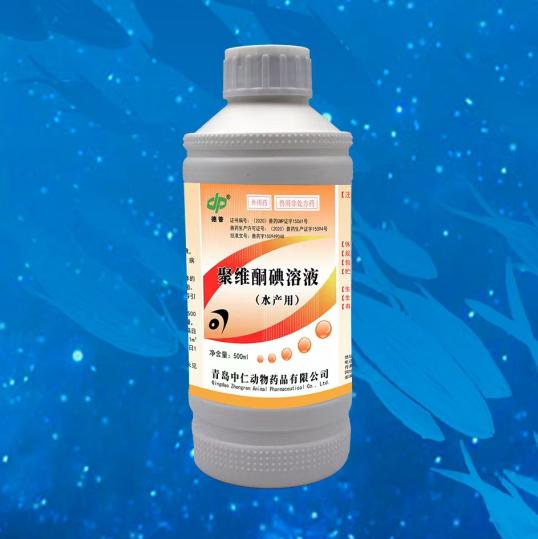
- When stocking fish fry, soak them in povidone‑iodine for 5 minutes; each 500‑ml bottle can be diluted to treat 1,000 kg of water.
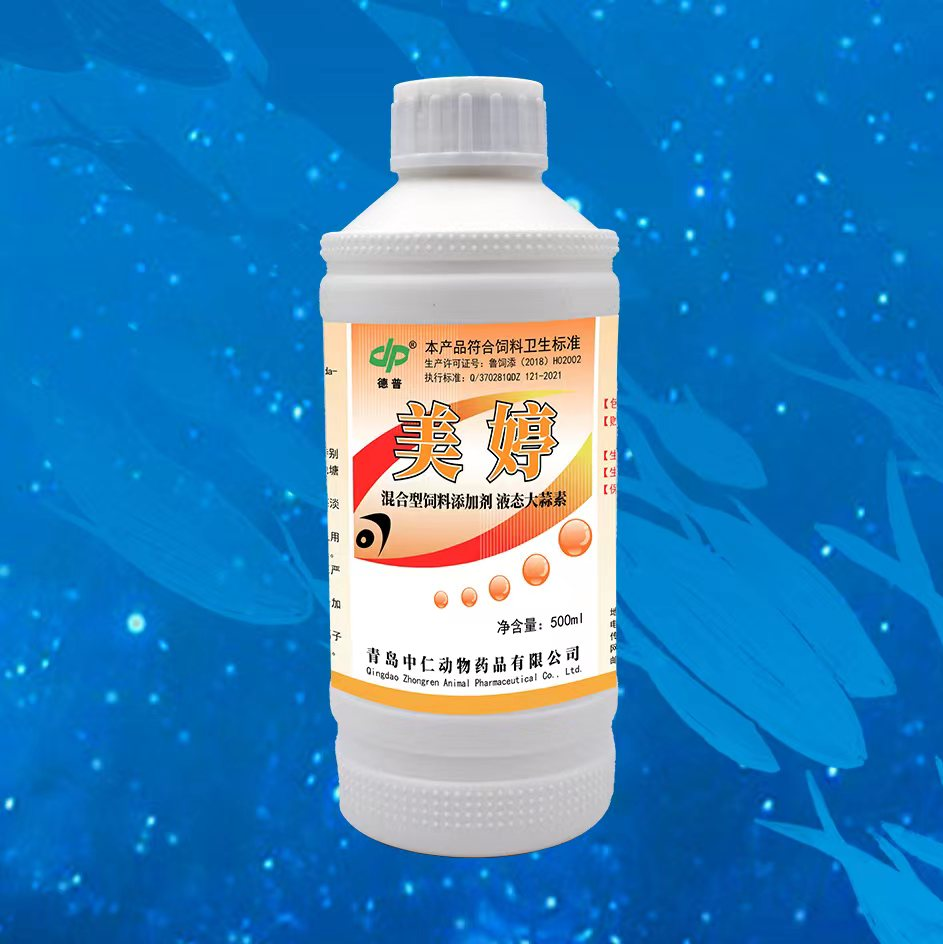
- After stocking the fish, promptly apply Meiting (thiamphenicol) throughout the entire pond for disinfection, using one bottle per 2 mu of water. Apply every week.
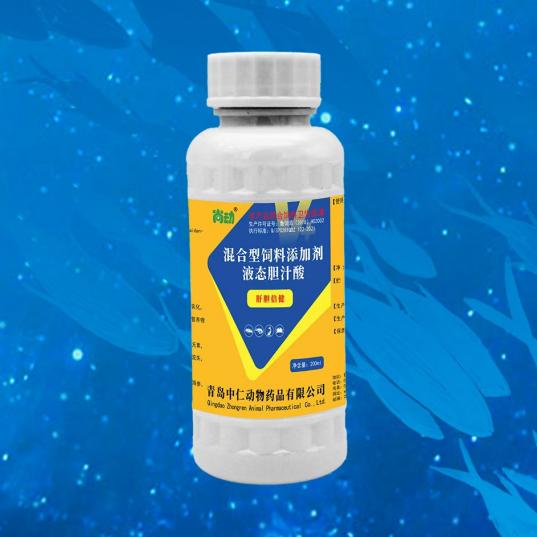
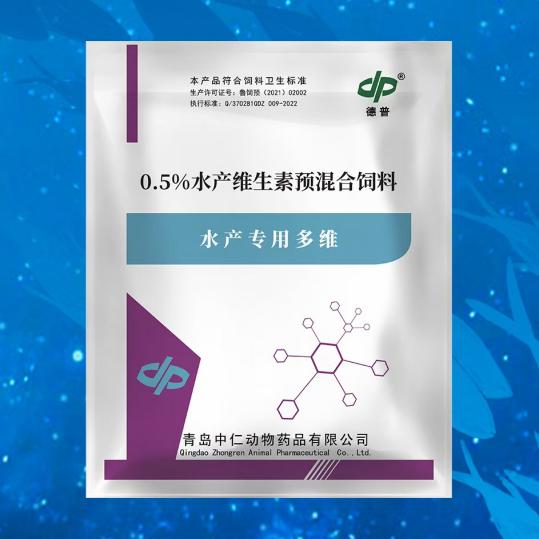
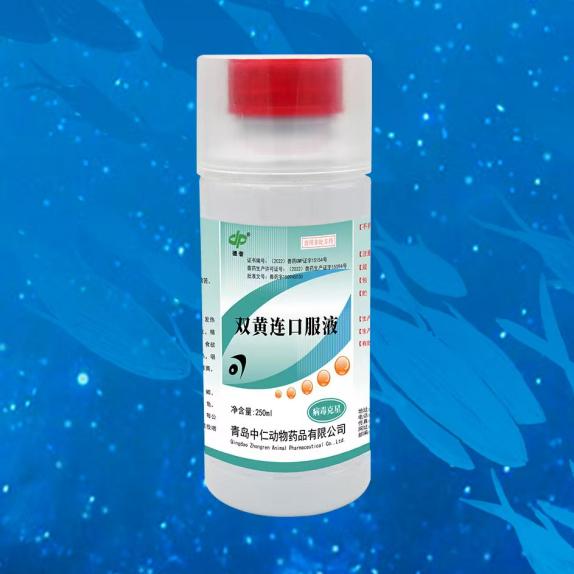
3. After the fish begin feeding, administer orally a combination of Gan Dan Bei Jian, aquaculture‑specific multivitamins, and Virus Ke Xing for one consecutive week to enhance the farmed animals’ innate immunity and their ability to recover.
IV. Treatment Plan
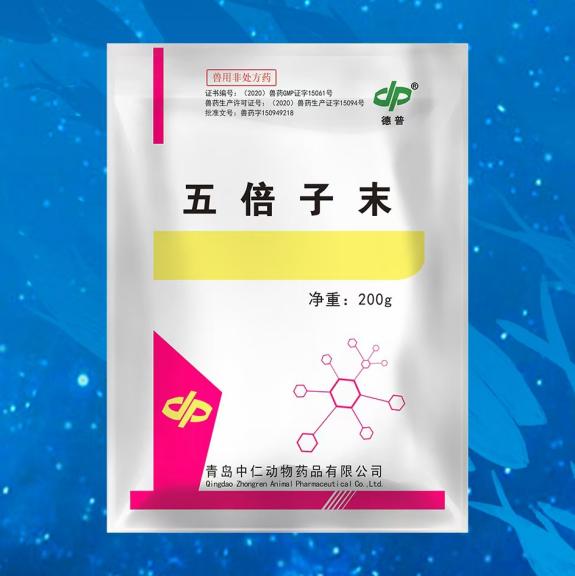
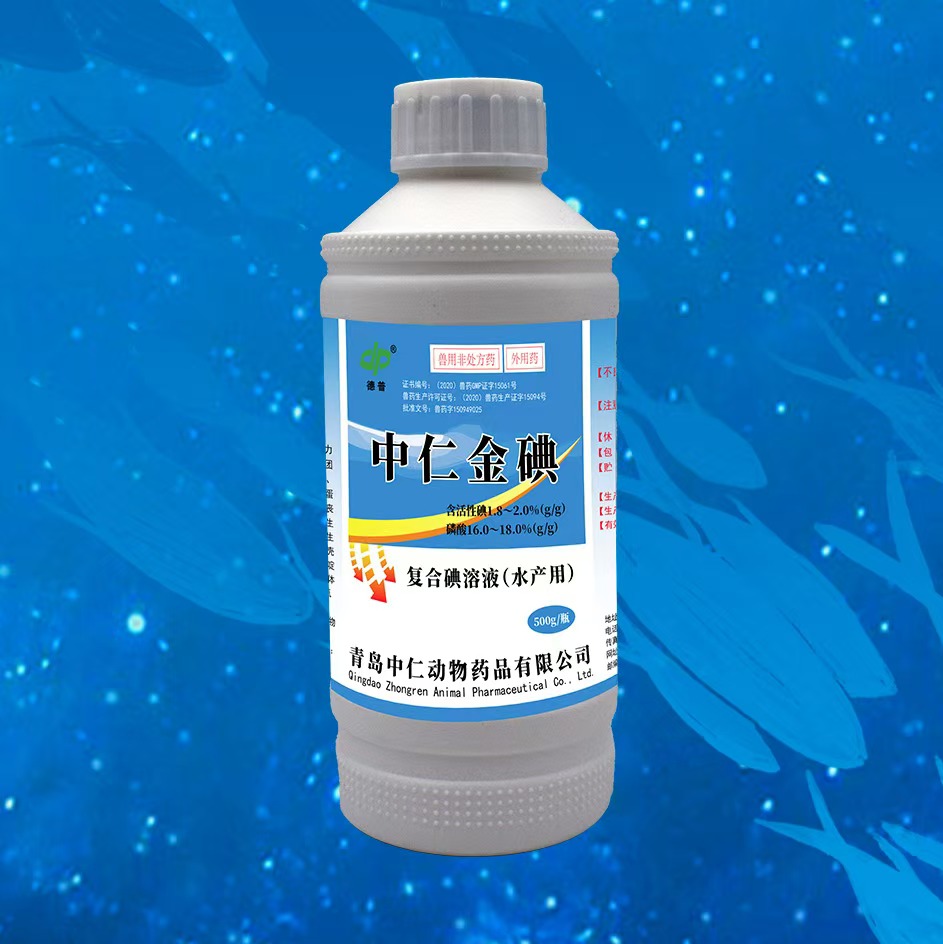
1. Day 1: Soak each bag of gallnuts in warm water with 15 jin of table salt, then apply the solution to one mu of water body. After two hours, use Zhongren Gold Iodine (6 mu per bottle) for water disinfection. The combination of gallnuts and table salt helps constrict wounds and rapidly eliminate stubborn, harmful fungi.
2. On the second day, depending on the severity of the disease, apply Zhongren Gold Iodine again (6 mu per bottle) to promote wound healing and prevent bacterial infections.
3. Based on the feeding condition, administer orally flufenicol (at a dosage calculated according to fish body weight) along with Gan Dan Bei Jian, Virus Ke Xing, and a multi‑vitamin supplement specifically formulated for aquaculture, continuing this regimen for one week to boost metabolism, enhance hepatic detoxification capacity, and strengthen the fish’s innate immunity.
Once fish diseases are brought under control, promptly replenish beneficial bacteria to occupy ecological niches and inhibit the proliferation of pathogenic microorganisms.
Key words:
Contact Us
Administrative service telephone:0532-85212368
Sales Advisory Phone:0086-532-85212381
E-mail:zhongrenyaoye@126.com
Address: No.6 Road, Jiaoxi Industrial Park, Jiaozhou City, Qingdao, Shandong Province

Qingdao Zhongren Animal Medicine Co., Ltd
Zhongren Aquatic Products