
Key considerations for helping sea cucumbers survive the summer
2026-06-05
Summer sees frequent high-temperature conditions, often accompanied by prolonged periods of overcast and rainy weather. For sea cucumbers, when water temperatures exceed 24°C, they enter a state of summer dormancy, with both feeding activity and metabolic rate declining. When the water temperature rises to 32°C, sea cucumbers emerge from dormancy and may begin to exhibit skin‑sloughing. In recent years, sea cucumbers have demonstrated relatively strong heat tolerance; some can maintain their condition even at 32°C. However, most are likely to experience the following issues:
Deterioration of water and bottom‑water quality: Under high‑temperature conditions, various algae, zooplankton (such as rotifers), and bacteria tend to proliferate. These organisms not only deplete dissolved oxygen but also promote the growth of pathogenic bacteria. Moreover, cloudy or rainy weather can trigger algal die‑off and water turnover, causing algae to settle on the bottom. In hot weather, the sediment at the bottom becomes a breeding ground for harmful microorganisms and blackening, further degrading the habitat. To address these issues, regular and diligent management of the bottom layer is essential to prevent its deterioration.
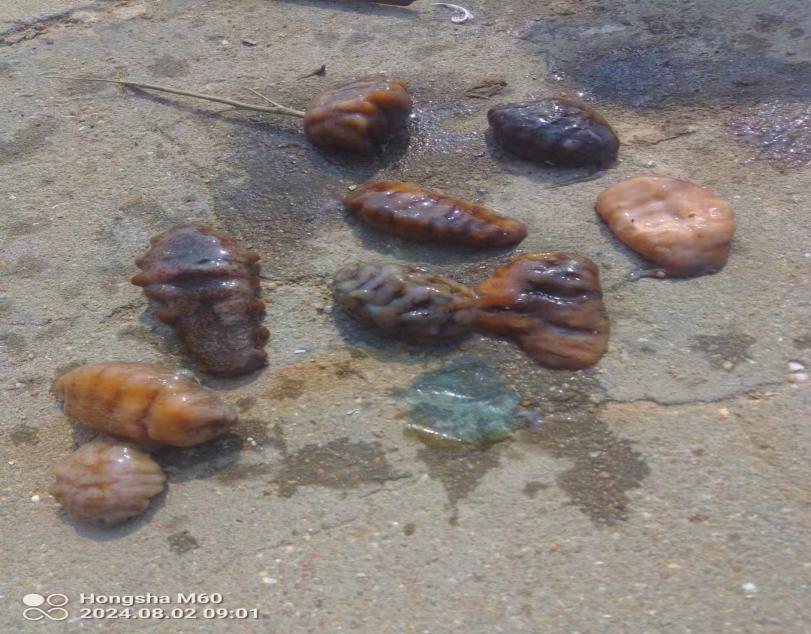
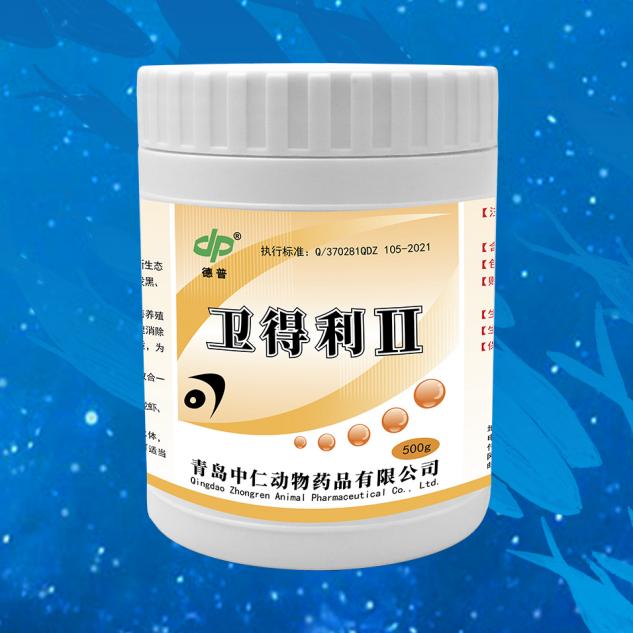
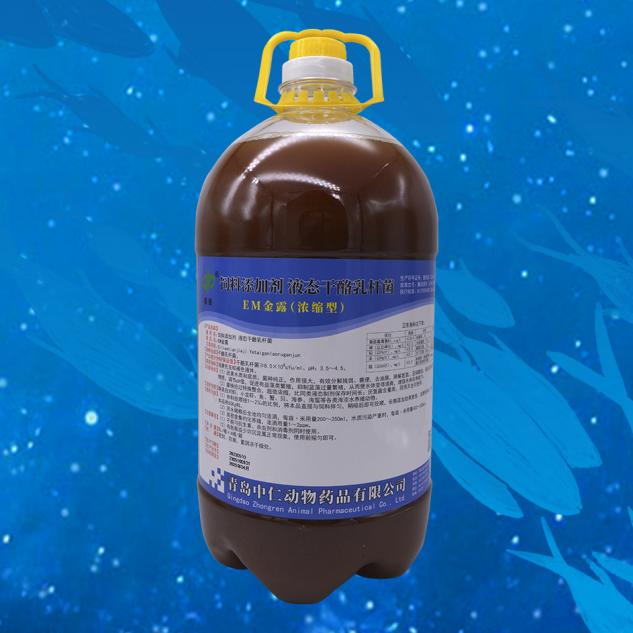
In particular, when slime formation occurs, combining Zhongren Jiniod with Weidelili can promptly prevent bottom‑water deterioration, thoroughly eliminate harmful bacteria, and—when applied to the water—EM Jinlu or a lactic acid bacterial stock solution can be used to maintain an excellent water quality.


- Insufficient dissolved oxygen and poor water transparency: Under high-temperature conditions, certain algae proliferate rapidly, exhibit accelerated metabolism, and subsequently decay, resulting in increased water viscosity and reduced transparency, with the formation of an oil film. Meanwhile, nighttime oxygen consumption intensifies, and atmospheric oxygen cannot penetrate the water column, leading to hypoxia and deteriorating sea cucumber health.
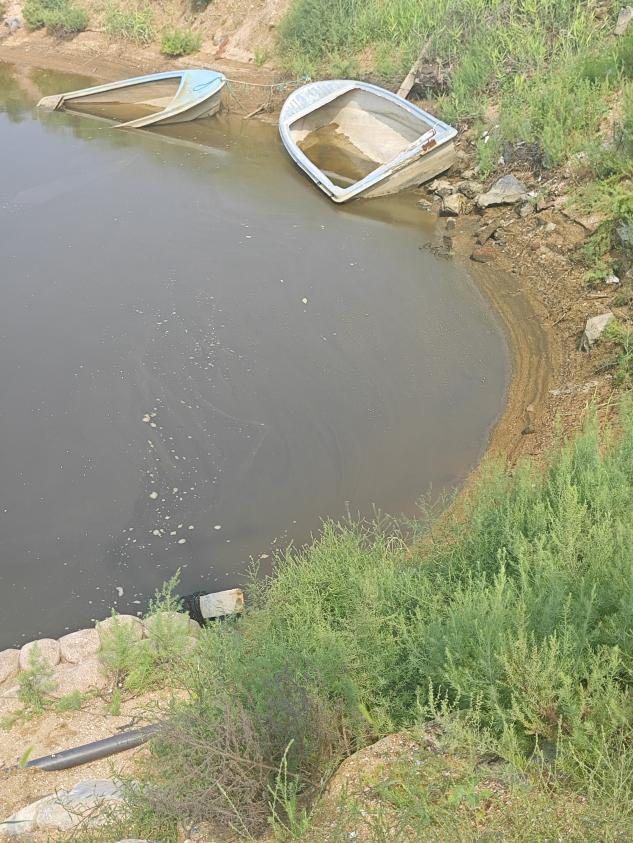
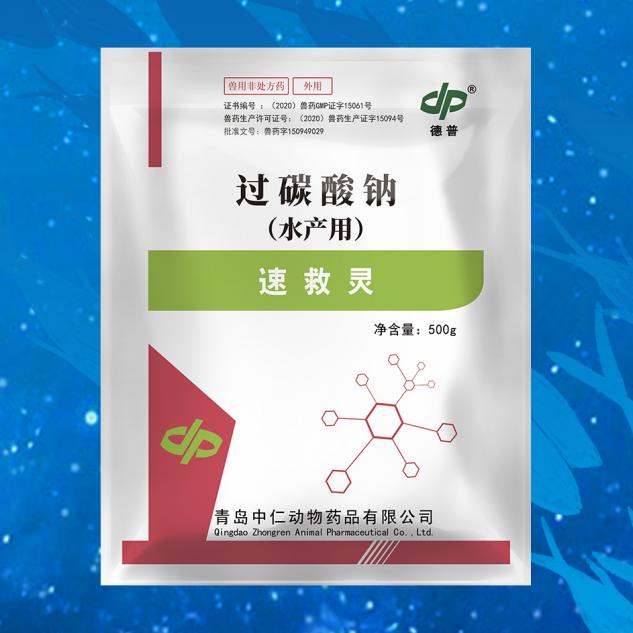
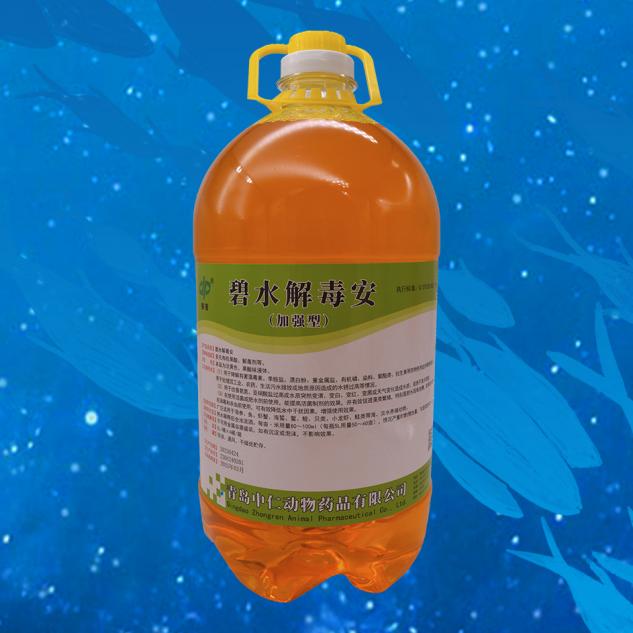
If the water body experiences oxygen depletion, promptly apply Sùjiùlíng in combination with a long‑acting oxygen tablet to boost dissolved oxygen levels. At the same time, use Bìshuǐ Jiědú Ān to enhance water transparency and break up the oil film.

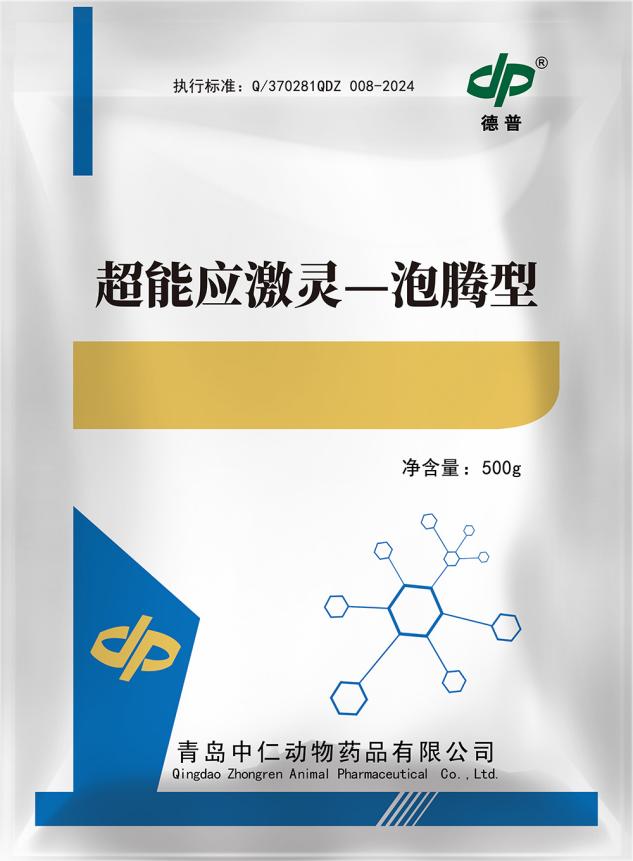
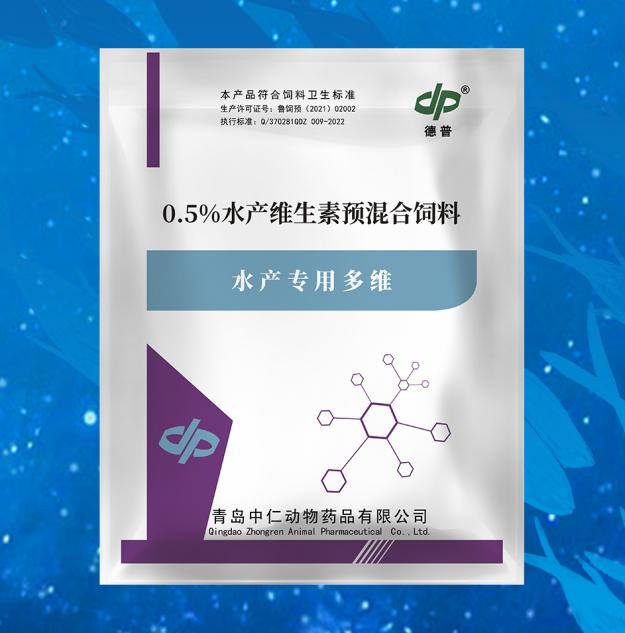
- The impact of prolonged hot, rainy weather on sea cucumbers: During periods of high temperatures accompanied by heavy rainfall, water salinity can drop sharply, adversely affecting the sea cucumber’s habitat and leading to turbidity and stratification. When salinity declines under such conditions, sea cucumbers tend to be in poor condition and are more prone to stress responses. We recommend using Super Stress‑Relief Formula in combination with a fishery‑specific multivitamin to stabilize their health and help them withstand the heat.
- Impact of algal blooms in high-temperature conditions: Algae deplete dissolved oxygen in the water and proliferate extensively. When certain algae die, they settle at the bottom and decompose, creating anaerobic conditions that generate hydrogen sulfide, leading to signs of toxicity.

When large amounts of algae die off, promptly apply a powerful bottom‑layer decomposition agent to break down the dead algae at the pond bottom, preventing decay and the production of hydrogen sulfide. At the same time, use a composite Bacillus preparation to degrade suspended particles in the water.
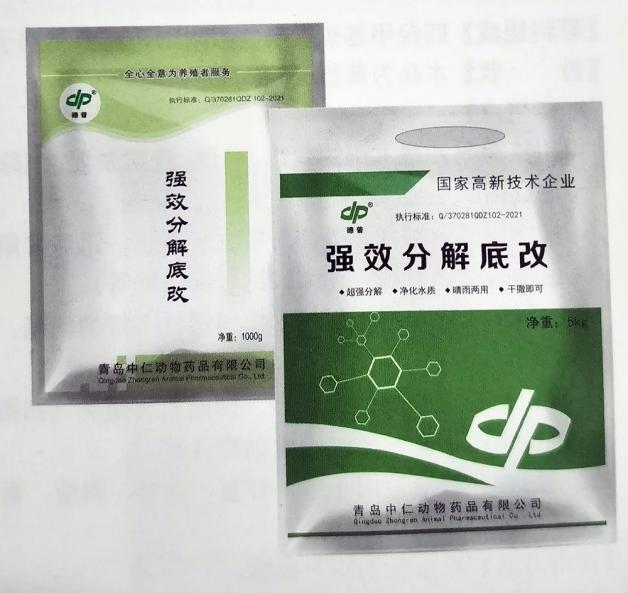

During the summer, sea cucumbers undergo a period of thermal stress; comprehensive management practices are employed to mitigate adverse environmental impacts and ensure their safe overwintering.
Key words:
Contact Us
Administrative service telephone:0532-85212368
Sales Advisory Phone:0086-532-85212381
E-mail:zhongrenyaoye@126.com
Address: No.6 Road, Jiaoxi Industrial Park, Jiaozhou City, Qingdao, Shandong Province

Qingdao Zhongren Animal Medicine Co., Ltd
Zhongren Aquatic Products