
Control and Prevention Strategies for Yellow Gill Disease and Black Gill Disease in Shrimp
2026-06-05
The gills of shrimp are the organ that directly interfaces with the external environment, yet they possess relatively weak defensive capabilities. When water quality is poor or the shrimp’s health is compromised, numerous pathogenic agents can trigger gill diseases, leading to yellow‑gill and black‑gill conditions. Yellow gill can be categorized into parasitic infections and bacterial yellow gill. Bacterial yellow gill is primarily associated with deteriorating water and bottom‑sediment quality, as well as the shrimp’s overall condition; moreover, yellow gill often serves as an early warning sign of gill rot. If left untreated, it can rapidly progress to bacterial black gill and eventually develop into gill‑rot disease. Once gill rot has set in, recovery becomes exceedingly difficult.
I. Yellow Gill Disease in Shrimp Caused by Ciliate Infection
Affected shrimp exhibit sluggish activity, reduced appetite, slightly everted opercula, and swollen gills; the gill filaments are covered with numerous pale yellow, filamentous structures. Microscopic examination reveals a heavy infestation of ciliates densely attached to the gill filaments.
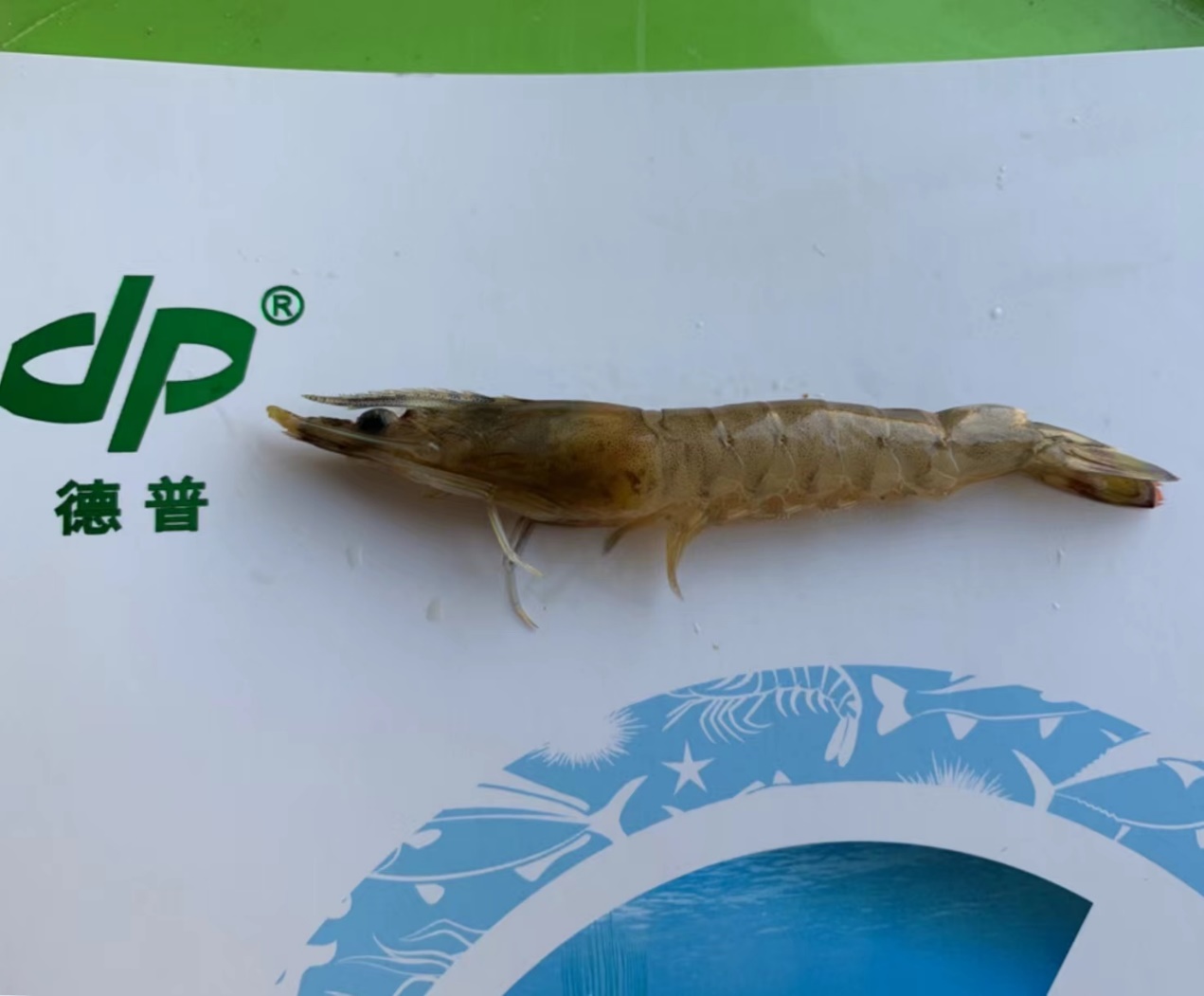
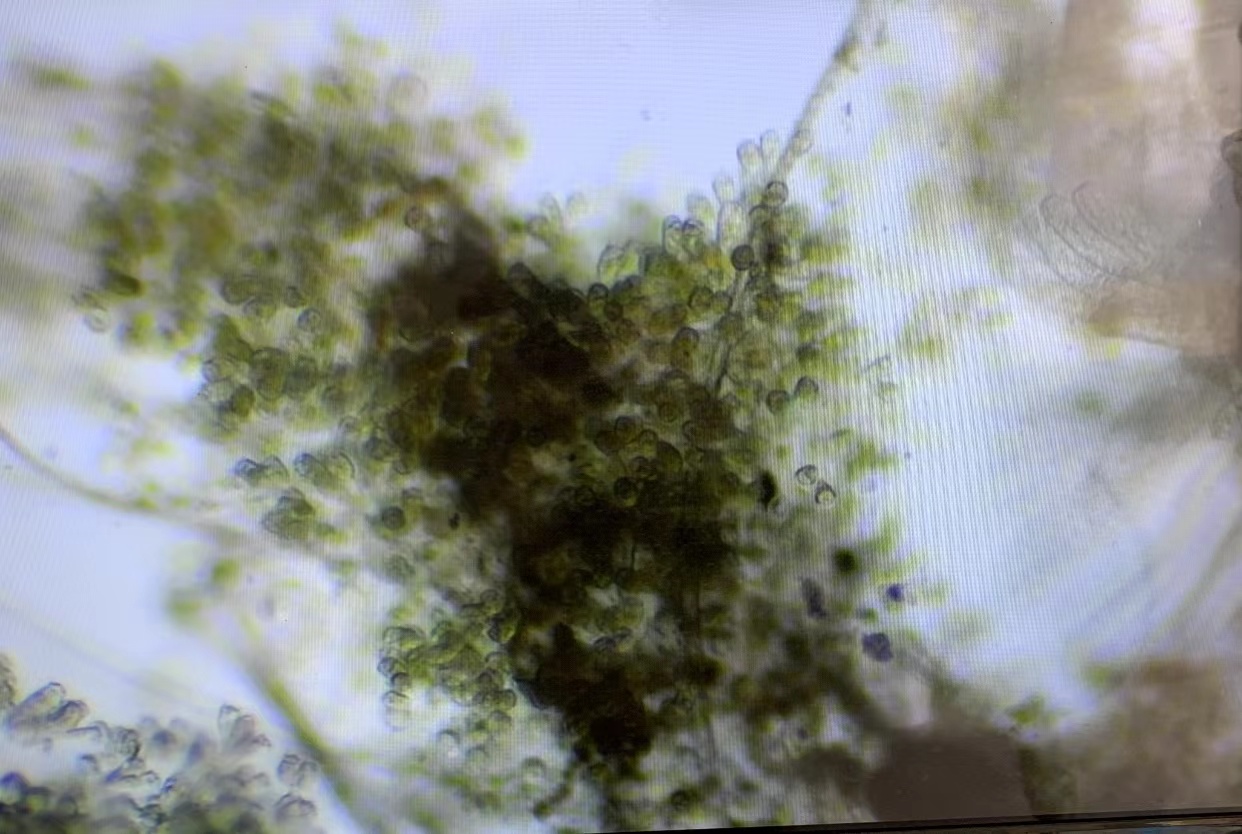
Solution:
On the first day, in the evening, apply High-Calcium Hard-Shell Booster (1 bag per 3 mu) and a fishery‑specific multivitamin (1 bag per 4 mu) to strengthen the shrimp’s health.
On the second day, apply fiber‑optic powder externally (2–3 mu per packet) to eliminate ciliates.
On the third day, use Bishui Jiedu An to detoxify and Di Gai Bawang to improve the substrate, thereby regulating water quality while eliminating bottom-dwelling ciliates and preventing them from reattaching.
II. Yellow Gill and Black Gill Diseases in Shrimp Caused by Bacterial Infections
In the early stages of the disease, the shrimp gills appear pale yellow; as the condition progresses, the gill filaments become increasingly swollen and loosely arranged, changing from yellow to yellowish-brown. In severe cases, the gill tissue becomes brittle and may even undergo necrosis, leading to black gills and gill rot. 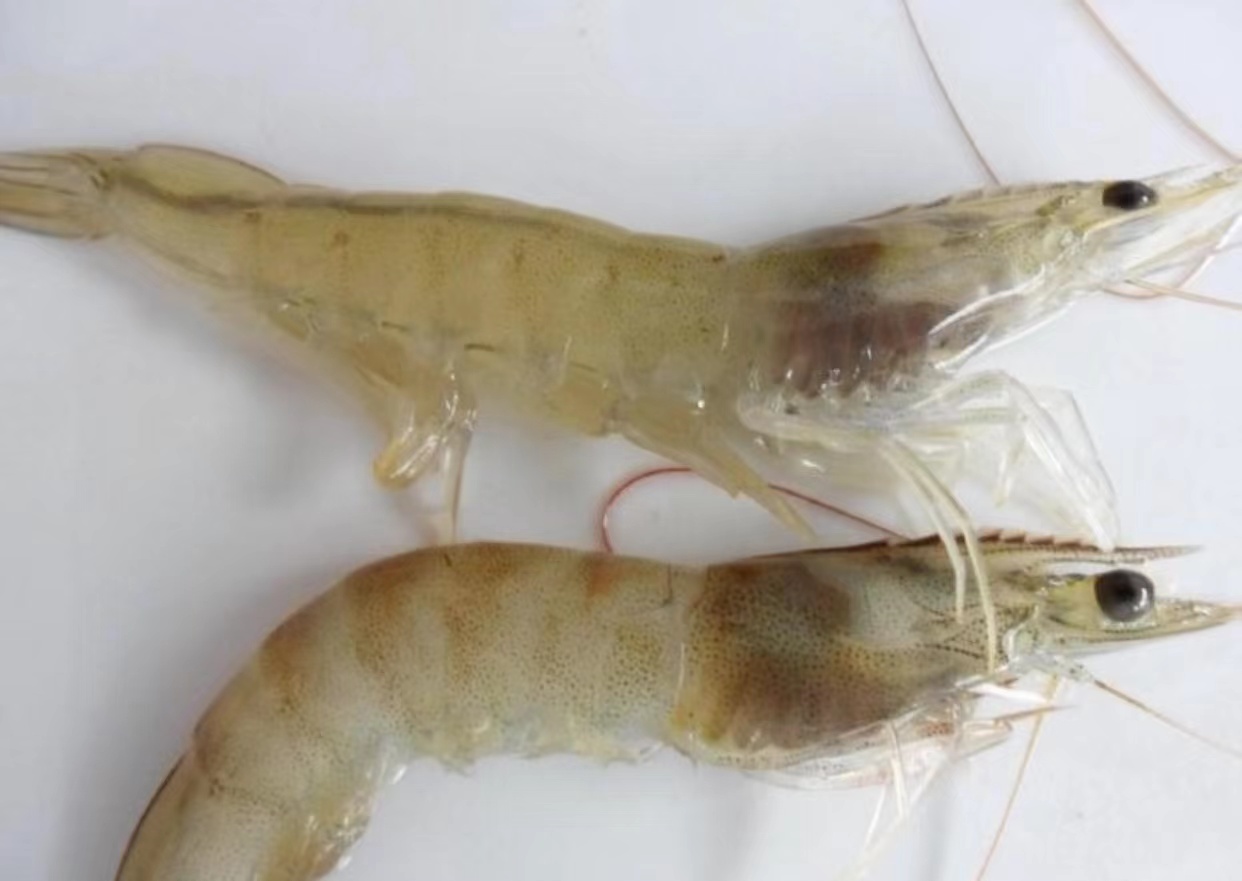
Solution
On the first day, in the evening, apply High-Calcium Hard-Shell Booster (1 bag per 3 mu) and a fishery‑specific multivitamin (1 bag per 4 mu) to strengthen the shrimp’s health.
The next day, perform external disinfection by applying Zhongren Gold Iodine (6 mu per bottle) combined with Wuhuang Detoxifying Solution (2 mu per bottle).
At the same time, administer astragalus polysaccharide orally in combination with Gankangtai to enhance nutritional support and accelerate the shrimp’s recovery.
During the high-temperature season, shrimp farming requires careful attention to prevent water from becoming overly rich or turbid; regularly apply EM Jinlu to maintain water quality. Before sudden weather changes and during peak molting periods, proactively sprinkle Stress‑Relief Detoxifier and High‑Calcium Shell‑Hardening Agent to replenish shrimp vitality and mitigate stress. Routinely use Sulfur‑Based Bottom‑Conditioner and Arci‑Ling to control Vibrio bacteria and prevent bacterial infections in shrimp.
Key words:
Previous:
Contact Us
Administrative service telephone:0532-85212368
Sales Advisory Phone:0086-532-85212381
E-mail:zhongrenyaoye@126.com
Address: No.6 Road, Jiaoxi Industrial Park, Jiaozhou City, Qingdao, Shandong Province

Qingdao Zhongren Animal Medicine Co., Ltd
Zhongren Aquatic Products