
Causes and prevention of feed stools caused by dysbacteriosis in broilers
2021-05-15
Qingdao Zhongren Animal Medicine Co., Ltd
Zhongren kinetic drug
Causes and prevention of feed stools caused by dysbacteriosis in broilers
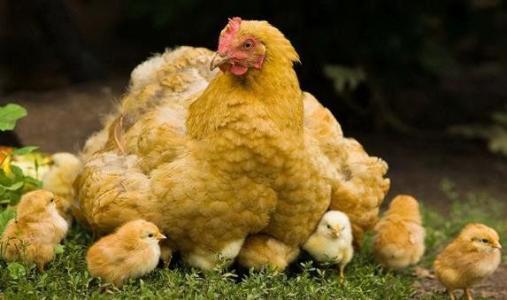
The presence of undigested feed in broiler droppings, also known as "over-feed", is a common problem in broiler farms, characterized by unformed feces and marked white uric acid salt. Feces contain yellow feed visible to the naked eye, sometimes watery stool; Chicken feather color is not good, and chicken uniformity is poor. It shows that there are health problems in the digestive system of broilers, resulting in slow growth and poor feed conversion rate, which will seriously damage the production performance and cause huge economic losses.
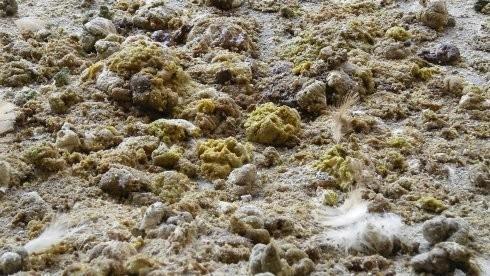
A dysbacteriosis is the main cause of fodder
Dysbacteriosis, also known as dysbiosis, overfeed syndrome, wet stool syndrome, nonspecific colitis or other names, refers to the sudden change of intestinal flora, which may not only be the change of the number of bacteria, but also the change of the composition of each flora.
1 Main symptoms
Feces contain undigested feed; Wet stool; Feed intake is relatively stable for several days in a row (it cannot be increased when the feed is added); Occasionally picky eaters; Increase in water/feed ratio; Intestinal congestion and inflammation; The intestinal wall is thin, transparent and easy to rupture. There is yellow mucus in Chang. Sometimes lesions can be seen in the muscle and stomach. When using litter feeding (non-caged/net feeding), some side effects of the disease can be seen, such as foot pad lesions, thoracic cysts, various bacteremia, femoral head necrosis and claudication. In many cases, dysbacteriosis is accompanied by gastric lesions. The reason for this phenomenon is still unclear, but the investigation of some researchers has proved that the imbalance of the flora, especially when a certain section of the digestive tract contains a large number of handsome bacteria, can easily cause muscle stomach erosion.
2 Pathological features
Dysbacteriosis usually occurs at 21 days of age, sometimes at 15 days of age. Incidence has increased due to the limited use of antibiotic growth-promoting agents.
The most common pathological features are as follows: the feces look good until 12 days of age, the feces become wet around 15 days of age, then there is orange mucus in the feces, and there is undigested feed in the feces around 25 days of age.
3 Causes of occurrence
The etiology of this disease involves several factors: feed problems or drastic changes in feed components (such as low-protein feed into high-protein feed), poor-quality feed materials and poor feed hygiene; There are indigestible ingredients in the feed that become substrates for the growth of pathogenic microorganisms; Poor management or poor environment; Unsanitary farms; Subclinical coccidiosis; Abuse of antibiotics; Stress, etc.
2 Diagnosis and treatment
Broilers can be diagnosed if they see the symptoms discussed above, and then treated with antibiotics and observed the effect: if the condition improves, the problem is likely to be dysbacteriosis; if the condition does not improve, the problem may be related to viruses, mycotoxins, biogenic amines or rancid fats, etc., which need to be diagnosed and treated by professional veterinarians.
Three prevention strategies
In the period of high incidence of dysbacteriosis, that is, from 12 to 30 days of age, the primary goal is to improve the digestive system. This period is most easily overlooked by veterinarians and feed nutritionists, who usually focus on the first week and the last phase.
At the age of 12 to 30 days, it is necessary to improve the quality of feed raw materials and avoid undigested feed becoming a substrate for pathogenic microorganisms (pay attention to the viscosity of grains, soybean meal and fat quality). Add exogenous enzymes when necessary; use natural products to help maintain and restore the balance of intestinal flora; add effective mycotoxin binders to feed; check water quality and water microbiological indicators; check for subclinical coccidia. Adopt appropriate anti-coccidiosis regimens; review management regimens to minimize stress and improve hygiene conditions in chicken farms; use prebiotics or herbal extracts to maintain intestinal health.
As mentioned above, overfeeding always occurs when erosion of the tissues of the digestive tract affects its function or when the intestinal flora is disturbed. The use of probiotics and herbal extracts can do the following two points:
(1) restore and maintain the integrity of the digestive tract
Immune function: some plants contain chemicals such as allicin contained in the mold, can stimulate the intestinal local immunity, prevent intestinal inflammation.
Inhibition of harmful bacteria, improve feed digestibility: acid Yikang inhibit the reproduction of harmful pathogenic microorganisms, promote the growth of beneficial bacteria, reduce incidence, improve feed conversion rate.
(2) restore and maintain the balance of intestinal flora
Zhongren products-Ang Li Qi, Mu Lan Bao, Egg Chang Kang, etc. all contain a variety of beneficial bacteria, which can balance the intestinal flora, repair the intestinal mucosa, prevent and treat enteritis, ensure the healthy intestinal flora and good development of the digestive system. Improve the feed conversion rate, reduce the ratio of feed to meat, and reduce the occurrence of intestinal diseases.
Key words:
Contact Us
Administrative service telephone:0532-85212368
Sales Advisory Phone:0086-532-85212381
E-mail:zhongrenyaoye@126.com
Address: No.6 Road, Jiaoxi Industrial Park, Jiaozhou City, Qingdao, Shandong Province

Qingdao Zhongren Animal Medicine Co., Ltd
Zhongren Aquatic Products