
Clinical Symptoms and Prevention of Chicken Enteric Syndrome
2021-04-21
Qingdao Zhongren Animal Medicine Co., Ltd
Zhongren kinetic drug
Clinical Symptoms and Prevention of Chicken Enteric Syndrome
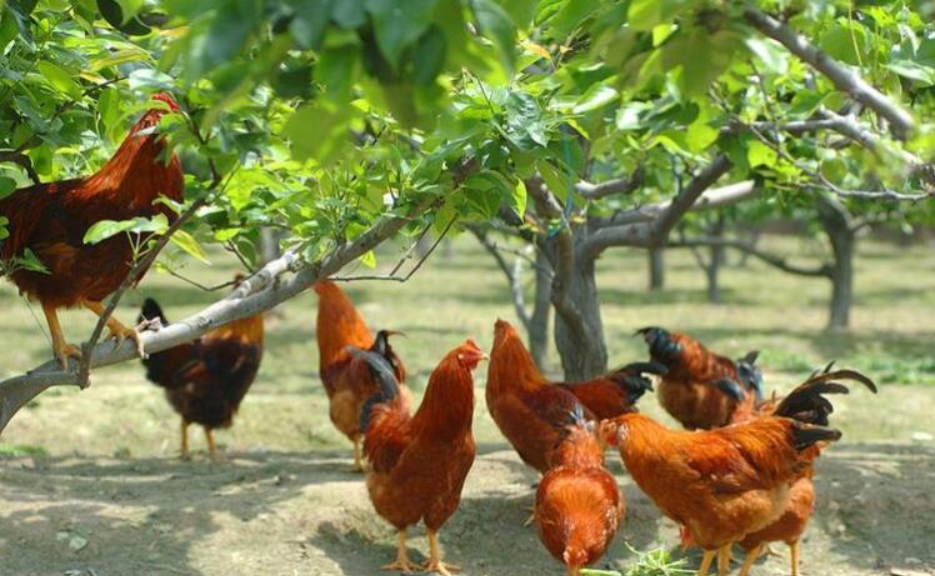
Enteric syndrome is a multifactorialInflammation, thickening, shedding, hemorrhage and necrosis of intestinal mucosaThe disease can occur all the year round, but it occurs more often in summer, autumn, early spring and when the climate and temperature difference change greatly, and it can occur at any age, especially for chickens about 15-90 days old, with a high incidence at about 30 days old.
1. pathogens and symptoms
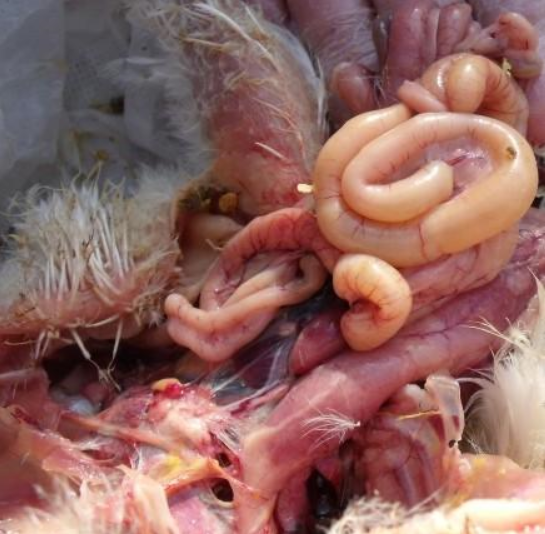
The main pathogens are mold, Escherichia coli, small intestinal coccidia, Clostridium, etc. The clinical symptoms are diarrhea, diarrhea, and a significant decrease in egg production of laying hens, resulting in an increase in white skin, sand skin, and soft preserved eggs. Shredded meat, tomato-like stool, feces containing undigested feed, tremor, scurrying, jumping, screaming, excitement and other symptoms also occur from time to time.
2. necropsy change
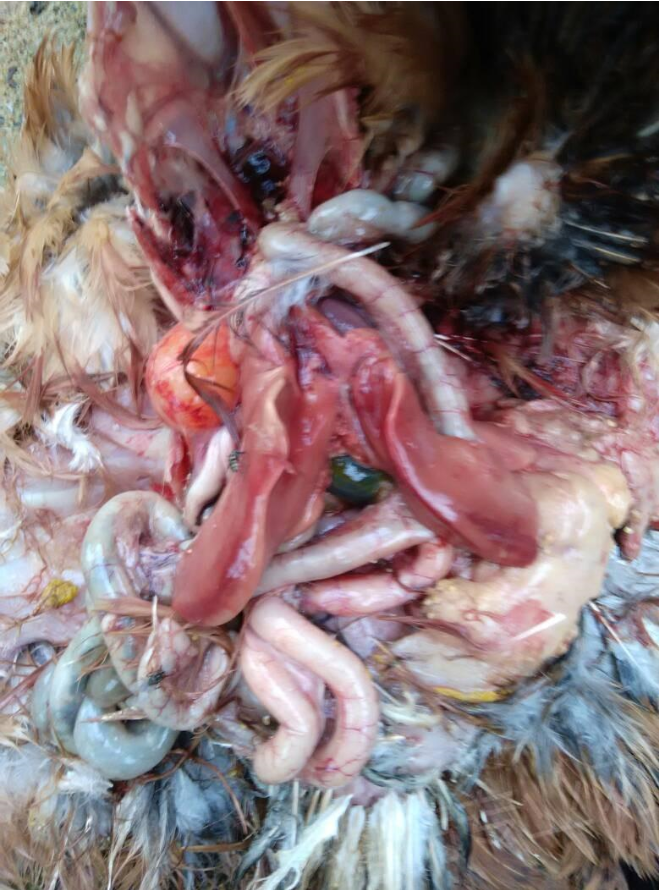
Some air sacs are turbid, some are pericardium, liver is covered, liver is brittle, some are khaki yellow, and some have needle-like white spots on them. Intestinal pattern-like bleeding, intestinal wall thinning, intestinal mucosa off, some intestinal contents were sticky, and some were gray-white thin water.
3. prevention and control measures
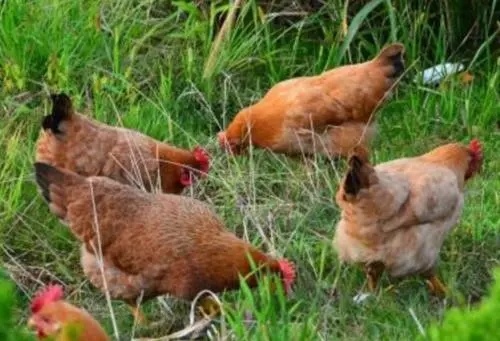
Strengthen feeding management, reduce the stress of chickens, pay attention to ventilation, and create a good feeding environment.
Prevention: Anliqi or Mu Lanbao and Bai Guanling mix to prevent enteritis coccidia.
Treatment: 1. Mixed feeling of small intestinal coccidia and enteritis, with anti-ball or new ball special Renjilian
2. mixed feeling of escherichia coli and enteritis, zhongren jilian
recommend today.
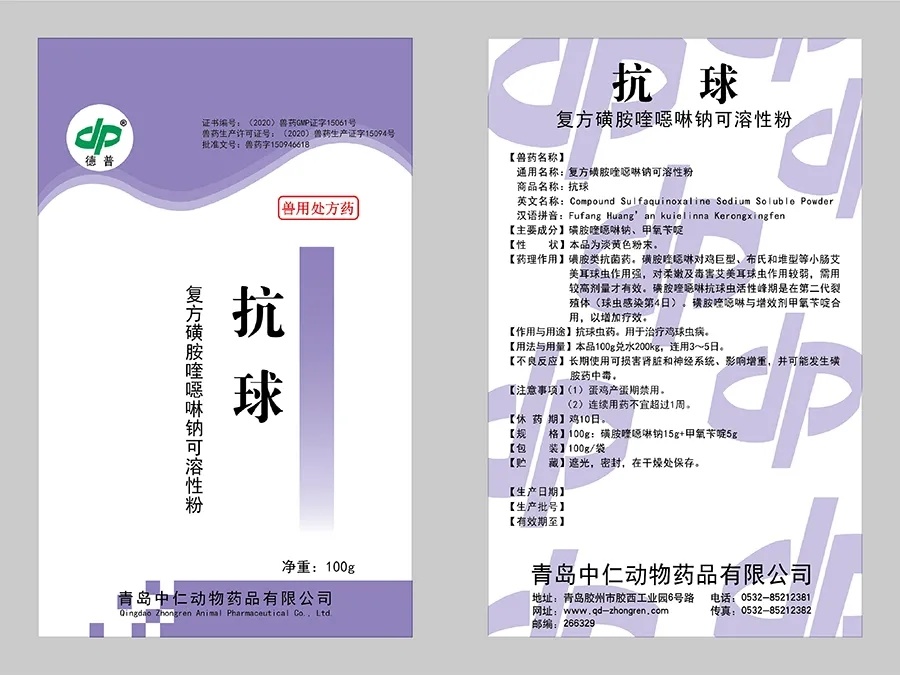
1. anti-ball
main ingredient]Sulfaquinoxaline sodium, trimethoprim
character]This product is light yellow powder.
role and use]]Anti-coccidiosis. For the treatment of chicken coccidiosis.
Usage and dosage]100g of this product is mixed with 200kg of water for 3~5 days.
adverse reaction]Long-term use can damage the kidneys and nervous system, affect weight gain, and may cause sulfa poisoning.
[Note]](1) the laying period of laying hens is prohibited.
(2) Continuous medication should not exceed 1 week.
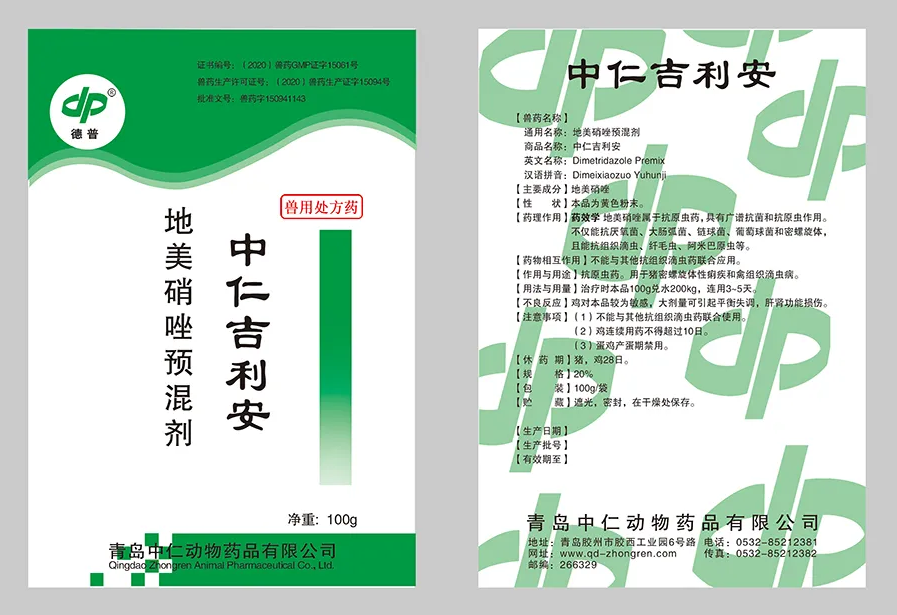
2. Chongren Jillian
main ingredient]dimetrizole
【Traits] This product is yellow powder.
role and use]Antigenic worm drugs. For swine treponema dysentery and avian tissue trichomoniasis.
Usage and dosage]During treatment, 100g of this product is mixed with 200kg of water for 3-5 days.
adverse reaction]Chickens are more sensitive to this product, large doses can cause imbalance, liver and kidney damage.
[Note]](1) It cannot be used in combination with other anti-tissue trichomonas drugs.
(2) The chicken shall not be continuously administered for more than 10 days.
(3) the laying period of laying hens is prohibited.
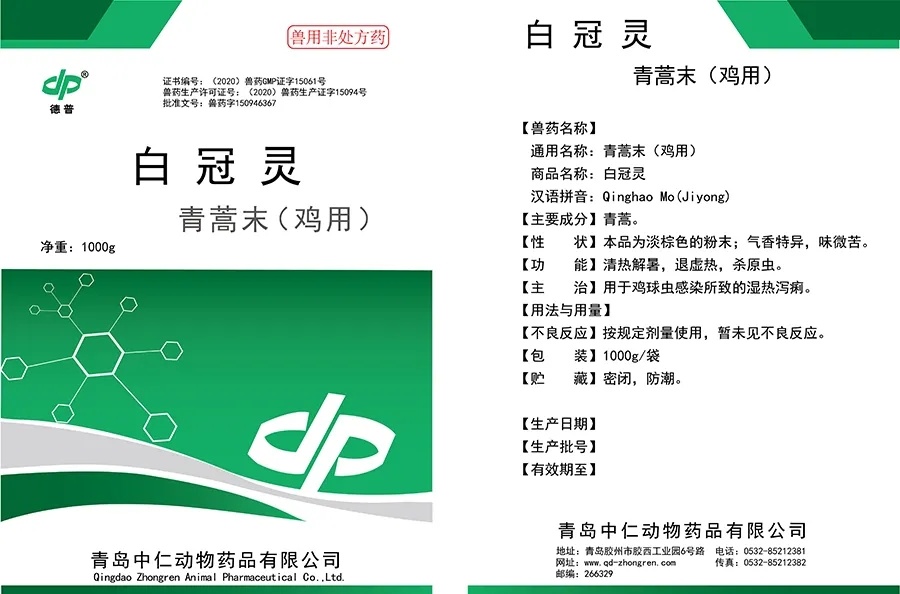
3. Bai Guanling
【Main ingredients] Artemisia annua.
【Traits] This product is a light brown powder; it has a specific aroma and a slightly bitter taste.
【Function] Clearing heat and relieving summer heat, retreating deficiency and heat, killing protozoa.
【indications] Used for damp-heat diarrhea caused by coccidia infection in chickens.
【Usage and dosage] chicken 1~2g.
【Adverse reaction] Used according to the prescribed dose, no adverse reactions have been seen yet.
Key words:
Contact Us
Administrative service telephone:0532-85212368
Sales Advisory Phone:0086-532-85212381
E-mail:zhongrenyaoye@126.com
Address: No.6 Road, Jiaoxi Industrial Park, Jiaozhou City, Qingdao, Shandong Province

Qingdao Zhongren Animal Medicine Co., Ltd
Zhongren Aquatic Products