
What is the reason why pig ears are red and purple? In addition to blue ear disease, we should also pay attention to these three common diseases.
2021-01-20
Qingdao Zhongren Animal Medicine Co., Ltd
Zhongren kinetic drug

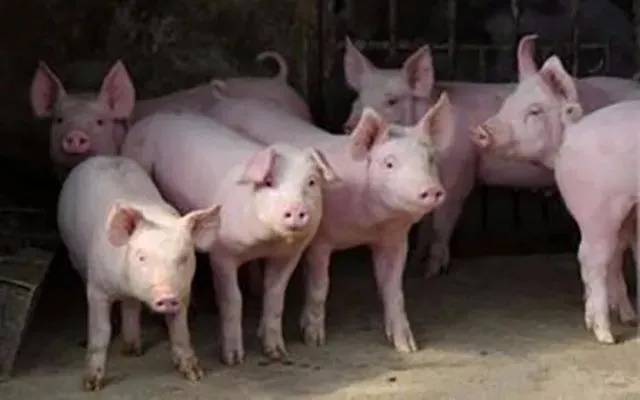
When some pig farmers see pig ears purple or blue, they conclude that pigs are blue-ear disease. In fact, this is a great misunderstanding. Pig ears purple accurately known as cyanosis, it is the pig's heart and lung disease or blood circulation disorders, resulting in the body surface and limb end of the clinical symptoms of congestion. Blue ear disease in addition to individual serious pig ear blue purple accident, there will be fattening pig respiratory problems, accompanied by sow abortion, when the above symptoms exist at the same time, may be blue ear disease. But in addition to blue ear disease, there are many diseases that may cause blue and purple pig ears. Today I will share with you the three most common diseases.
Porcine Contagious Pleuropneumonia
Etiology
This disease is a respiratory infectious disease caused by Actinobacillus. The disease is susceptible to pigs of all ages, mostly occurring in large-scale pig farms in winter, with pigs from 6 weeks to 3 months of age being the most susceptible. The mortality rate of acute cases is high, and chronic cases can be tolerated. The incidence rate and mortality rate are about 50%. When secondary to other diseases, the mortality rate will increase. Pigs spread more rapidly mainly through respiratory tract infections, especially in poorly managed, crowded, humid and poorly ventilated piggery. Factors such as abrupt climate changes and long-distance transport can significantly affect morbidity and mortality.
Symptoms
1, the most acute and acute type. Several pigs in the herd suddenly became ill, their body temperature rose to about 41.5 ℃, they did not eat, they were depressed and sometimes had mild diarrhea. In the later period, it is difficult to breathe, showing the posture of opening the mouth and stretching the tongue, the dog sitting, the foam-like pale bloody secretions from the mouth and nose, the heartbeat is faster, and the skin of the mouth, nose, ears, and limbs is dark purple, and often dies within two days. Individual pigs die without showing symptoms, and some pigs may become subacute and chronic.
2, subacute and chronic. Slightly slow cases can slowly recover or become chronic diseases if they can endure more than 4 days, pigs lose appetite or lose, body temperature 39-40 ℃, intermittent cough, and symptoms gradually ease. However, some chronic pigs or cured pigs and recessive infection of pigs, in other pathogens infection or transport, environmental changes, may make the symptoms worse or become acute.
prevention and control
Strengthen feeding management, pay attention to environmental hygiene, and disinfect regularly. When the pig farms with this disease are not vaccinated, antibiotics and antiviral Chinese medicine should be added to the feed regularly for prevention. There are many serotypes of this disease, and the cross-immunity between different serotypes is not strong. Therefore, it is best to prepare a vaccine from a local isolated strain.
Early onset and early treatment is an important measure to improve the cure rate. There are many drugs that can be selected during treatment, such as sulfonamides, tetracyclines, cephalosporins, tilmicosin and other drugs can have a good effect. However, it should be noted that this bacterium is easy to produce drug resistance. If the effect of two consecutive treatments is not obvious, the drug should be replaced in time.
Streptococcus septic
Pathogen
Streptococcus suis is a general term for a variety of conditions caused by various pathogenic serotypes of streptococcus, common acute sepsis, meningitis, chronic arthritis, tissue purulent inflammation and endocarditis. Here we are mainly talking about, can cause pig ears purple blood group streptococcus. Pigs of different ages, breeds and sexes are susceptible to streptococci. Piglets are mostly caused by sow infection, mainly through the respiratory tract and damaged skin and mucous membrane infection. When improper feeding and management, poor sanitary conditions, hot summer climate, cold winter and other factors reduce the resistance of pigs, it is easy to cause disease.
Symptoms
Acute Septic Streptococcus occurs mainly in suckling and weaned piglets, and occasionally found in fattening pigs. The most acute cases in the early stages of the disease are pigs that often die suddenly without any symptoms. Slightly slow cases also only see the spirit is low, the temperature rises above 41 ℃, some have no time to treat the sudden death, piglets under the abdomen visible purple spot. Meningitis symptoms were seen in some of the pigs that died acutely.
Generally, acute pigs have a course of disease ranging from 2 to 5 days, the virus temperature rises above 41 ℃, the virus does not return, the basic waste food, the conjunctiva flushes, shortness of breath, the outflow of serous nasal fluid, hemorrhagic spots can be seen under the abdomen, limbs and ears, diarrhea or constipation, yellow urine or hematuria are common in sick pigs. Generally after 1-2 days, some pigs can appear arthritis and meningitis symptoms.
prevention and control
The prevention of this disease should do a good job in the hygiene and disinfection of the pig house, and eliminate all the unfavorable factors that can cause pig trauma in the enclosure, such as smooth ground, sharp stones and iron wires. Streptococcus suis currently has attenuated vaccine and aluminum hydroxide inactivated vaccine. The attenuated vaccine is suitable for healthy weaned piglets and adult pigs. It is injected 1 ml under each scalp or muscle, and the immunization period is 6 months. The inactivated vaccine is relatively safe. Each pig is injected with 3-5 ml, and the immunization period is 6 months. There is no timely immunization of pigs, should be timely mixing medicine for prevention, sulfonamides, tetracyclines and other drugs have a good effect.
There are also many drugs for the treatment of streptococcus, such as penicillin, streptomycin, oxytetracycline, sulfonamides, and cephalosporins. However, individual pig farms are resistant to certain drugs, so more attempts should be made and dressing changes should be made in time when the effect is not good. The author's commonly used scheme for the treatment of streptococcus septicemia is: one side intramuscular injection of double doses of sulfa drugs, the other side injection of vitamin C, generally can receive good results, the premise is to treat as soon as possible.
swine lung disease
Pathogen
Swine lung disease is caused by bacillus multocidans. It is an acute infectious disease characterized by sepsis and hemorrhagic inflammation of tissues and organs, commonly known as "lock throat wind" and "swollen neck plague". This disease can occur all the year round. Sick pigs and pigs with bacteria are the main sources of infection. Pathogens are discharged from the respiratory tract and various secretions and excretions, contaminating feed, drinking water, utensils and the surrounding environment, and invade healthy pigs through digestive tract and skin wounds, causing morbidity or epidemic. The pathogen is a conditional pathogen, so the disease has no obvious seasonality. When the environmental sanitation conditions are poor or the feeding management is improper, or the role of various stresses (such as alternating cold and heat, climate change, humidity, rain, malnutrition, long-distance transportation, changes in feeding conditions, etc.) can promote the occurrence and prevalence of the disease, which is generally sporadic.
Symptoms
1, the most acute type and acute type. The most acute type is death without symptoms, and more acute can be seen suddenly falling to the ground. The acute type of sick pig body temperature rises to 41-42 ℃, breathing is extremely difficult, white foam flows out of the mouth and nose, swelling and hardness can be seen in the lower part of the throat, which can extend to the ear root and chest in severe cases, and the course of disease is 1-2 days. Late disease of pigs can be seen on the inside of the limbs, nose, ear roots, abdomen erythema or purple skin.
2, subacute type and chronic type. In addition to systemic septicemia, subacute pigs mainly show fibrinous pleurisy, with body temperature rising above 40 ℃, difficulty breathing, cough, and gray or yellowish white or bloody secretions in the nose. Sick pigs common constipation, some visible diarrhea. Skin congestion or bleeding is common, and the course of disease is more than 1 week. The chronic type mainly shows symptoms of pneumonia or gastroenteritis, body temperature 39-41 ℃, cough, dyspnea, mucous or purulent secretions can flow out of the nostrils, and the course of the disease is about 2 weeks. If the treatment is not timely, the sick pig often dies of wasting and failure.
prevention and control
According to the characteristics of the spread of the disease, prevention and control should first enhance the body's resistance to the disease. Strengthen feeding management, eliminate the factors and pathogenic factors that may reduce disease resistance, such as crowded enclosure, poor ventilation and lighting, humidity, cold, etc., enclosure and regular disinfection. Vaccination is an important measure to prevent this disease. Piglets can be injected for the first time at the age of 1 month, and the second immunization at an interval of 3 months. Generally, inactivated seedlings can produce immunity for 14 days, and attenuated seedlings can produce immunity for about 7 days, and the protection period is about 5 months.
Once the disease, first of all should be isolated from pigs, medication alone, other pigs in a timely manner to prevent. According to the author's experience, sulfa drugs and Linke spectinomycin have good effects on swine lung disease. The whole group medication plan is: sulfamonomethoxine sodium doxycycline astragalus polysaccharide for 7 days.
Summary: In addition to blue ear disease and the above three common diseases that cause pig ears to turn purple, there are many diseases such as swine fever, paratyphoid fever, and vice pigs that can cause this symptom of pigs. But don't look so complicated, in fact, most of them belong to respiratory diseases and septicemia. Generally, tilmicosin, florfenicol, sulfa drugs, doxycycline and other drugs can relieve the disease.

Key words:
Contact Us
Administrative service telephone:0532-85212368
Sales Advisory Phone:0086-532-85212381
E-mail:zhongrenyaoye@126.com
Address: No.6 Road, Jiaoxi Industrial Park, Jiaozhou City, Qingdao, Shandong Province

Qingdao Zhongren Animal Medicine Co., Ltd
Zhongren Aquatic Products