
Clostridium diseases of sheep
2020-10-20
Qingdao Zhongren Animal Medicine Co., Ltd
Zhongren kinetic drug
In recent years, in Jiangsu, Shandong and other places, the amount of sheep breeding has increased year by year, and the incidence of sheep diseases has also increased, especially clostridium diseases, which seriously endanger the breeding industry.
Clostridium in sheep is a major lethal disease caused by a variety of bacteria in the genus Clostridium, including sheep fast disease, sheep sudden gangrene, sheep enterotoxemia, lamb dysentery and other diseases. This kind of disease often occurs in free-range sheep, sheep with high stress response and sheep with poor epidemic prevention effect.
Pathogen and epidemic characteristics:
Sheep fast epidemic for Clostridium spoilage infection, gram-positive, anaerobic large bacilli, do not form a capsule. The use of diseased sheep liver membrane as a contact piece, stained, microscopic examination showed unrelated long filamentous morphology is a very prominent feature of Clostridium spoilage, has important diagnostic significance.
The pathogen of sheep sudden gangrene is Clostridium welchens type C, which produces β major toxin and α minor toxin, and the toxin causes rapid death of sheep.
The pathogen of sheep enterotoxemia was Clostridium welchii type D.
The pathogen of lamb dysentery is Clostridium welchii type B. Within a few days after the lamb is born, Clostridium welchii can enter the digestive tract of the lamb through the milk of the lamb, the hands of the breeder and the feces of the sheep.
Clostridium diseases occur frequently in autumn, winter and early spring every year. When the climate is changeable and the temperature difference is too large, rainy seasons occur frequently, and sheep catch cold and eat frozen forage.
Clinical symptoms:
Sheep died suddenly before they had time to show symptoms, mostly because of the mixed infection of several diseases. There are many similarities in clinical practice, and it is difficult to diagnose before death. Acute cases die in pastures or circles within a few minutes or hours; chronic cases are manifested as falling behind, lying on the ground, grinding teeth, salivation, groaning, abdominal pain, bloating, diarrhea, spasm and death, and the skin of dead sheep is red. Its typical feature.
Necropsy change:
⑴ Sheep fast disease: characterized by hemorrhagic inflammation of the abomasum, with hemorrhagic plaques of varying sizes at the bottom of the stomach and near the pylorus, as well as rumen wall hemorrhage, reticulum mucosal hemorrhage, abomasum mucosal ulcer, and colon stripe hemorrhage.
(2) Sheep sudden gangrene: the characteristic lesions are congestion and bleeding of the intestinal mucosa.
The common feature of sheep rapid epidemic and sheep sudden gangrene is a large amount of pleural, abdominal and pericardial effusion. In addition, intestinal hemorrhage, pulmonary hemorrhage, gallbladder swelling, endocardial epicardial hemorrhage; if the dead sheep are not timely autopsy, rapid corruption occurs.
⑶ Sheep enterotoxemia: the characteristic lesion is that the kidney is more likely to soften than usual, so this disease is also called "soft nephropathy". In addition, the abomasum contains undigested feed, the small intestine exhibits acute hemorrhagic inflammatory changes, small epicardial hemorrhages, pulmonary hemorrhage and edema.
(4) Lamb dysentery: the most significant case changes are small intestine (especially ileum) mucosal bleeding, ulcers; some intestinal contents are bloody, mesenteric lymph node swelling, abomasum often exist undigested curd.
Prevention and control measures:
1. The triple quadruple vaccine is injected twice a year in spring and autumn. Newborn lambs can be injected with this vaccine at the full moon, and the injection will be strengthened once every two months to consolidate the effect.
2. Emergency vaccination of the same flock of healthy sheep with the disease.
3. Strengthen feeding management, do not feed moldy and spoiled feed, and often disinfect.
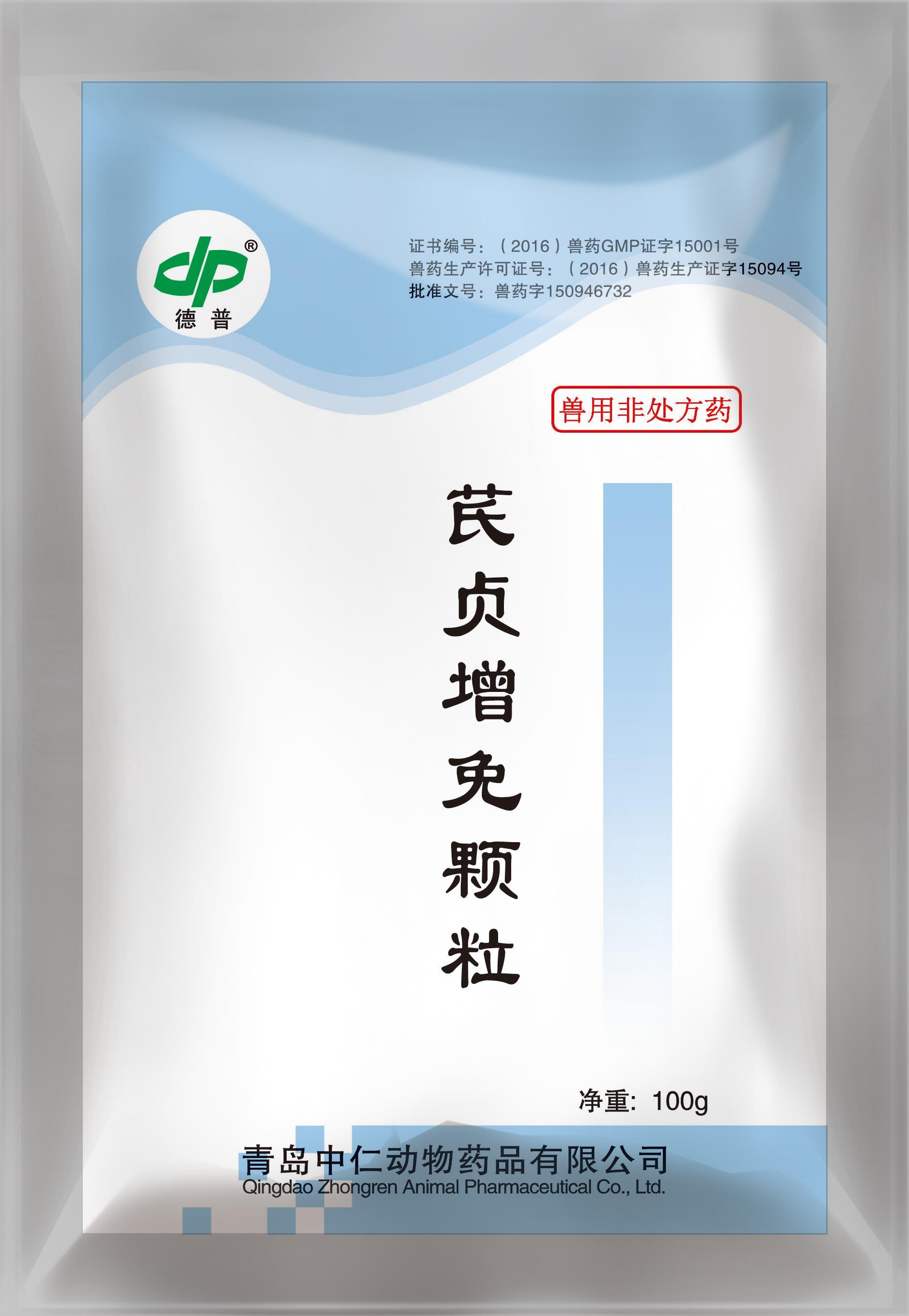
4. The onset of this disease is acute and rapid. Antibiotics such as penicillins, cephalosporins, sulfonamides and lincan can be injected urgently. At the same time, Qizhen Zengli granules are used to enhance their resistance and immunity.

Key words:
Previous:
Contact Us
Administrative service telephone:0532-85212368
Sales Advisory Phone:0086-532-85212381
E-mail:zhongrenyaoye@126.com
Address: No.6 Road, Jiaoxi Industrial Park, Jiaozhou City, Qingdao, Shandong Province

Qingdao Zhongren Animal Medicine Co., Ltd
Zhongren Aquatic Products