
Common parasitic diarrhea in pigs
2021-07-18
Common parasitic diarrhea in pigs
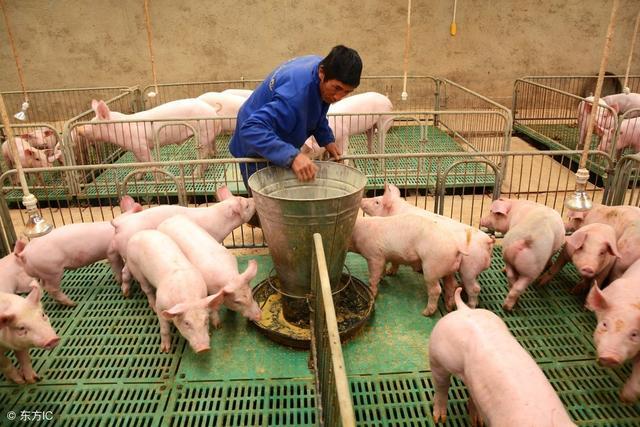
There are many causes of parasitic diarrhea in pigs. Today, only a few of the more common ones are introduced, as follows:
1. Ascaris Diarrhea
1. Epidemic characteristics: Ascaris diarrhea is common in pig parasitic diarrhea. Pigs at various stages will be infected, but piglets at the age of four or five months are more harmful after infection.
2, symptoms: mild symptoms of loss of appetite, teeth, anemia, diarrhea and other symptoms, serious will lead to slow growth of pigs, and even become stiff pigs.
3, prevention and control measures: can be used insect repellent, for prevention and control.
2. porcine coccidiosis
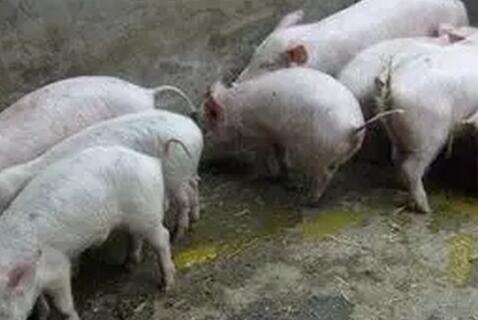
1. Epidemic characteristics: the disease is more likely to occur in piggery with high density, and the incidence rate of piglets shortly after birth is higher, so the delivery room should be especially vigilant.
2. Symptoms: Sick pigs pull watery white or yellow dilute feces, not timely control, not only secondary dehydration and other problems, but also cause other healthy piglets infection.
3. Prevention and control measures: At present, prenatal infection can be treated with anti-coccidiosis drugs, which can prevent newborn piglets from being infected with this disease. Treatment of sick piglets can use the right amount of penicillin for intramuscular injection. It is suggested that the pigsty should be kept clean, dry and well ventilated, and the deworming prevention of piglets one week after birth can effectively reduce the occurrence of this disease.
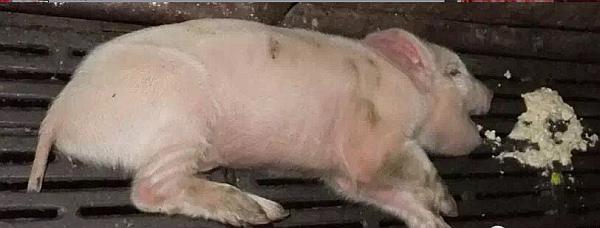
3. swine whipworm diarrhea
1. Epidemic characteristics: the disease occurs all the year round, but the incidence rate is high in summer and autumn every year.
2, symptoms: the symptoms of sick pigs are mainly manifested as loss of appetite, lack of energy, weight loss, diarrhea feces, and even dehydration.
3, prevention and control measures: the treatment of this disease can be used to the disease and other drugs reasonable to the pig to take. At ordinary times, in the process of raising pigs, pay attention to the hygiene management in the pig house, regularly disinfect the pig house and deworming the pigs, which can effectively reduce the occurrence.
4. considerations
In the process of preventing and controlling pig parasitic diarrhea, pig farmers must not ignore one point, that is, sometimes the diarrhea of sick pigs may have more than one cause, and it may be a variety of mixed feelings, such as the more common one. That is, roundworm and whipworm are infected at the same time. In addition, it does not rule out some special cases, such as coccidiosis mixed with Escherichia coli. Therefore, the prevention and control of parasitic diarrhea in pigs requires all-round prevention. Once parasitic diarrhea occurs in pigs, it is necessary to further confirm whether the cause is a separate disease or a mixed feeling of other diseases. Only by prescribing the right medicine can the ideal effect be achieved.
recommend today.
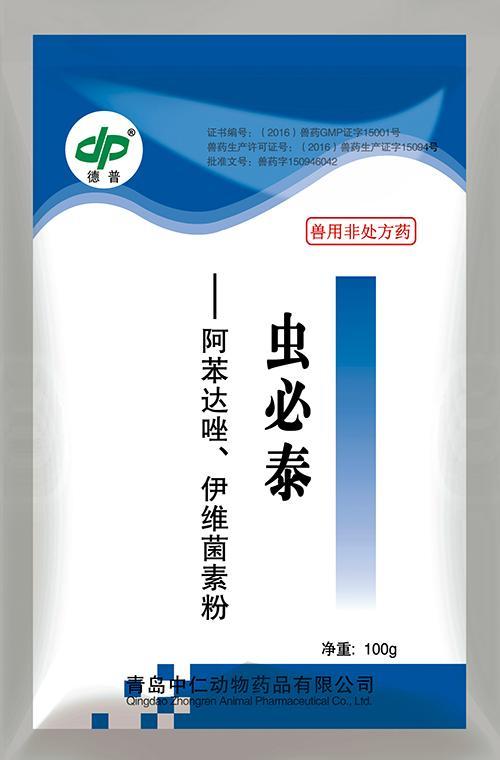
veterinary drug name]
Common name: albendazole, ivermectin powder
commodity name: worm will tai
main ingredient]Albendazole, Ivermectin
character]This product is white or almost white powder.
【role and use]]Insect repellent. Used to repel or kill swine nematodes, trematodes, tapeworms, mites and other internal and external parasites.
Usage and dosage]Mix into feed for oral administration.
(1) The amount of mink fox raccoon is 0.15 g/Kg body weight once, I .e. 100g of this product can be taken by 700Kg animals once (100 adult fox raccoon dogs and 500 minks), and it is used once again at intervals of 5-7 days. When the animals are divided into nests, the whole group will deworming once, and then every 1-2 months.
(2) pigs, cattle, sheep and poultry shall be taken orally once, 1g/10Kg body weight, once at intervals of 5-7 days, or 100g of this product shall be mixed with 200-300kg feed for 5-7 days.
adverse reaction]According to the prescribed usage and dosage, no adverse reactions have been seen.
[Note]]Ivermectin in this product is highly toxic to fish and shrimp. Do not pollute the water source with residues, packaging products and animal excreta.
Key words:
Contact Us
Administrative service telephone:0532-85212368
Sales Advisory Phone:0086-532-85212381
E-mail:zhongrenyaoye@126.com
Address: No.6 Road, Jiaoxi Industrial Park, Jiaozhou City, Qingdao, Shandong Province

Qingdao Zhongren Animal Medicine Co., Ltd
Zhongren Aquatic Products