
Analysis and Control of Chicken Tapeworm Infection
2021-08-23
Qingdao Zhongren Animal Medicine Co., Ltd
Zhongren kinetic drug
Analysis and Control of Chicken Tapeworm Infection
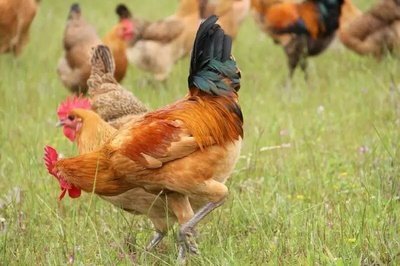
Clinical symptoms at onset of 1. and signals in production
1. The laying rate of primary laying hens rises slowly or stops rising. The laying rate is mostly around 80%, and the feed intake is not high.
2. When the peak egg laying period is above 90%, the egg laying rate begins to decline slowly, the egg weight is light, and the egg individuals are small. About 10-15% of the cocks' crowns are whitish and inverted.
3. High-yield laying hens have light eggshell color. Brown shell egg white (obvious) about 10-30%.
4. In the group of laying hens, a small number of chickens have diarrhea, prolapse of anus first, pecking anus later, resulting in an increase in death.
5, chicken feces thin, red, material, according to enteritis, small intestinal coccidia, intestinal toxin syndrome treatment, many times of medication still repeated attacks, long-term cure, feel very confused.
Analysis of clinical misdiagnosis and etiology of 2.
Due to the slow onset of tapeworm infection in chickens and the slow appearance of clinical symptoms, it occurs frequently in June-November, especially in October-November when the temperature drops and the egg laying performance declines. In clinical practice, it is often misdiagnosed due to cooling. It is mostly treated according to virus diseases and mild influenza, and repeated administration is ineffective. Tapeworm parasitic in the intestinal tract, head section adsorption in the intestinal mucosa, damage the intestinal wall integrity, causing hemorrhagic enteritis, fecal symptoms similar to enterotoxic syndrome symptoms, according to enteritis, enterotoxic syndrome treatment can not cure. Careful observation of feces, tapeworm pathogenic characteristic feces: color was red or rust color was "sorghum-like feces", feces on the white "sesame grain-like" tapeworm segments. 7-10 days after the effective removal of tapeworms, sorghum-like feces and egg laying performance can be restored to normal without repetition.
Current situation of prevention and treatment of chicken tapeworm disease in 3. and its medication errors
In recent years, poultry tapeworm disease with benzimidazole anthelmintic drugs: levamisole, propimazole, as a regular prevention of anthelmintic drugs. The treatment needs to be re-used once a week later, and the head section of the worm cannot be completely expelled, which is related to the resistance of tapeworms.
Praziquantel has been used for many years in some areas, and the phenomenon of increased dosage and drug resistance is common. The deworming effect is not true. The selection of insect repellent drugs should consider whether the insect head segments and larvae can be completely removed, and the effect of drugs on the egg laying performance of adult chickens. Qingdao Zhongren Pharmaceutical production of the worm will be on the roundworm, tapeworm, etc. have a very good anthelmintic effect
4. tapeworm control
Regular deworming: 60-day-old young chickens and 120-day-old early laying hens, each deworming once. For adult laying hens, deworming shall be prevented once in May and August respectively. Since summer and autumn season is the breeding season of intermediate host flies and beetles, and is the stage of tapeworm infection in laying hens, deworming in August is particularly important. Biosafety: Remove chicken manure frequently and ferment it to kill the eggs in the pregnant egg segment. Flies began breeding season, feed to join cyromazine, inhibit maggot breeding, outside the chicken house regularly kill ants, beetles and other beetles. Reduce intermediate hosts. In recent years, there are many cases of tapeworm disease in laying hens. Due to the low awareness of parasitic diseases and insufficient understanding of the harm to production performance, it is easy to ignore the problem of parasites, which often causes misdiagnosis in clinical practice, delays the treatment opportunity, and causes certain economic losses.
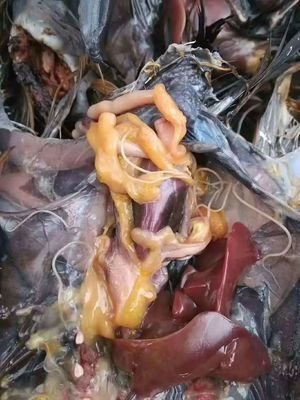
recommend today.
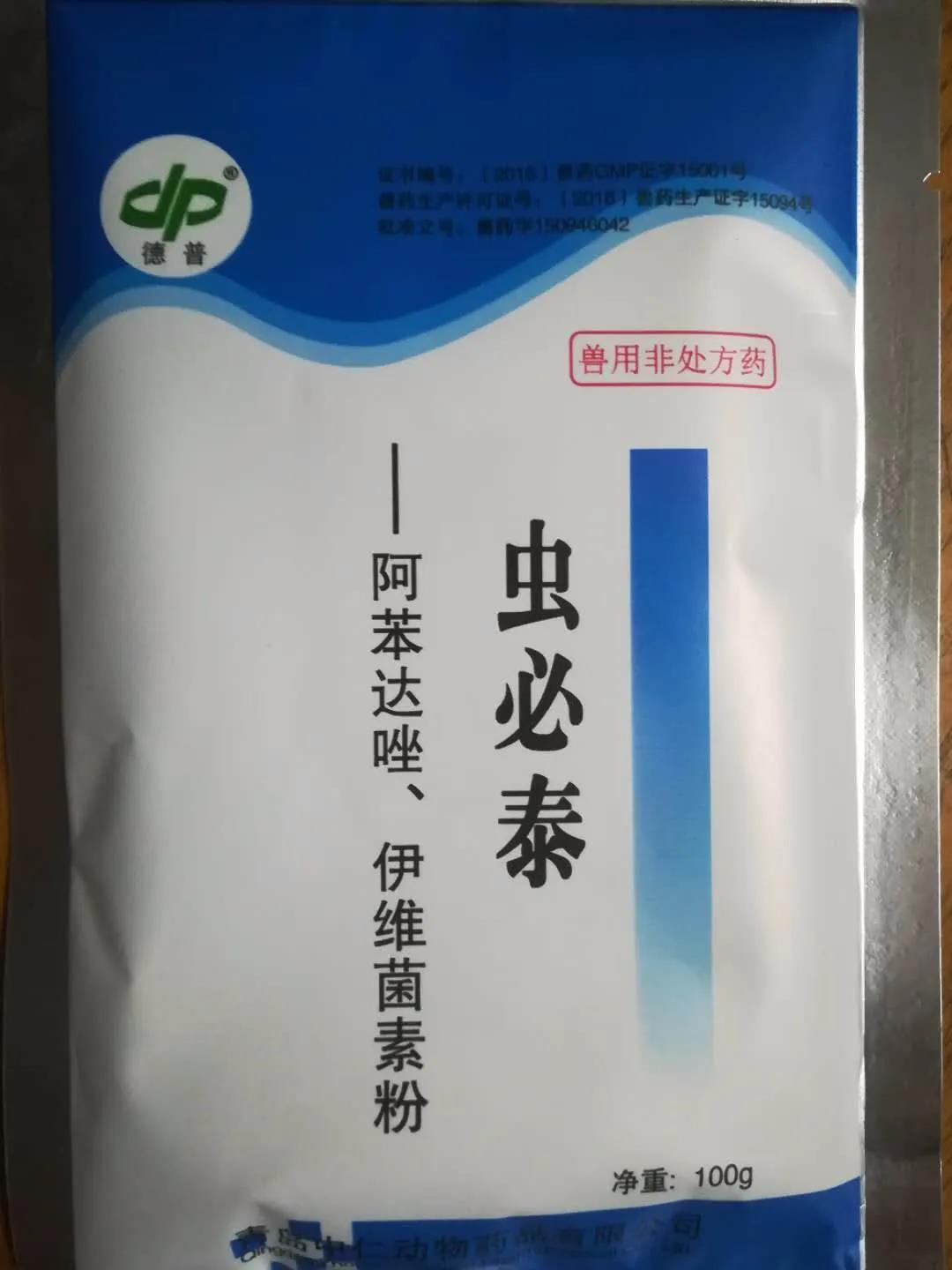
veterinary drug name]
Common name: albendazole, ivermectin powder
commodity name: worm will tai
main ingredient] Albendazole, Ivermectin
[Sex shape]]This product is white or almost white powder.
【role and use]]Insect repellent. Used to repel or kill swine nematodes, trematodes, tapeworms, mites and other internal and external parasites.
Usage and dosage]Mix into feed for oral administration.
- Mink fox and raccoon dogOne dose of 0.15 g/Kg body weight, I .e. 100g of this product can be taken by 700Kg animals once (100 adult fox and raccoon dogs and 500 minks), and once again at intervals of 5-7 days. When the animals are divided into nests, the whole group will deworming once, and then every 1-2 months.(2) Pigs, cattle, sheep, poultry oral administration once,1g/10Kg body weight, once again at intervals of 5-7 days or 100g of this product is mixed with 200-300kg feed for 5-7 days.
adverse reaction]According to the prescribed usage and dosage, no adverse reactions have been seen.
[Note]]Ivermectin in this product is highly toxic to fish and shrimp. Do not pollute the water source with residues, packaging products and animal excreta.
Key words:
Contact Us
Administrative service telephone:0532-85212368
Sales Advisory Phone:0086-532-85212381
E-mail:zhongrenyaoye@126.com
Address: No.6 Road, Jiaoxi Industrial Park, Jiaozhou City, Qingdao, Shandong Province

Qingdao Zhongren Animal Medicine Co., Ltd
Zhongren Aquatic Products