
Symptoms and Prevention of Pig Asthma
2021-09-07
Qingdao Zhongren Animal Medicine Co., Ltd
Zhongren kinetic drug
Symptoms and Prevention of Pig Asthma
Swine asthma is also known as swine asthma, swine mycoplasma pneumonia or swine mycoplasma pneumonia. The pathogen is Mycoplasma hyopneumoniae, which has been translated as Mycoplasma. The pathogen is mainly found in the respiratory tract, lung and hilar lymph nodes of pigs.
Pig asthma is a chronic respiratory infectious disease, characterized by coughing and panting, high incidence, low mortality, affecting the growth and development of pigs, while easy to secondary infection of many diseases, to pig production has brought significant losses. There were no age, breed, sex and seasonality. The morbidity and mortality of suckling piglets and young pigs were higher, followed by late pregnancy and lactating sows. Cold, wet, rainy, improper feeding and management, poor sanitary conditions can induce the disease or aggravate the disease. After the recovery of sick pigs with bacteria for a long time, some up to 1 years or so.
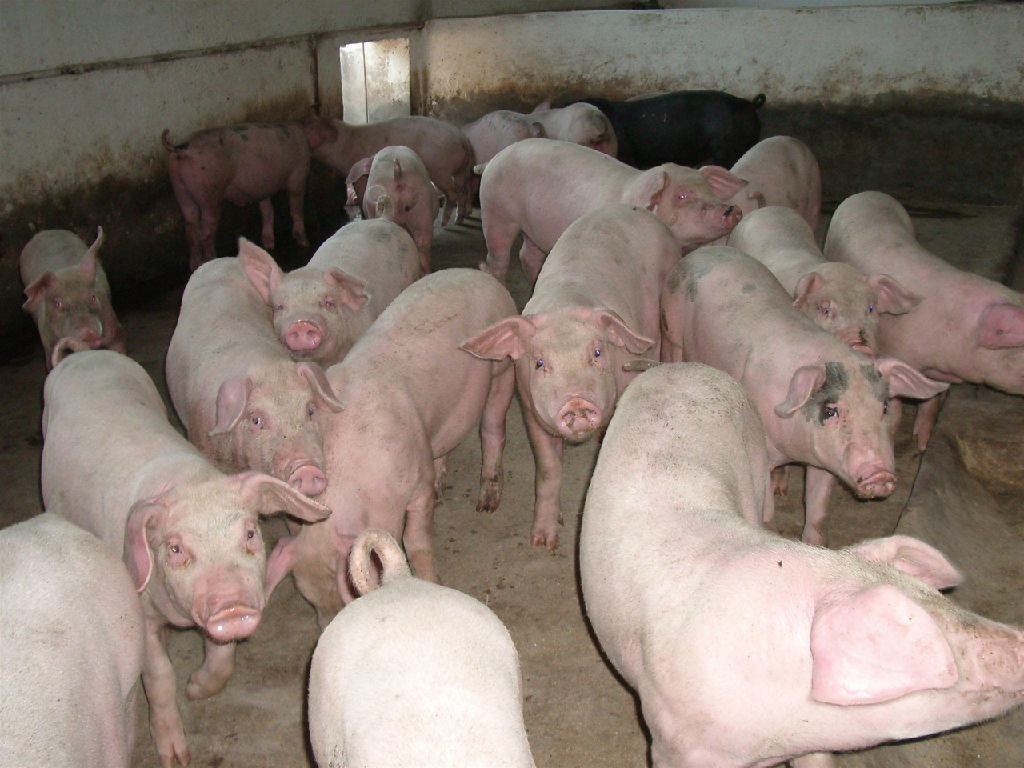
clinical symptoms
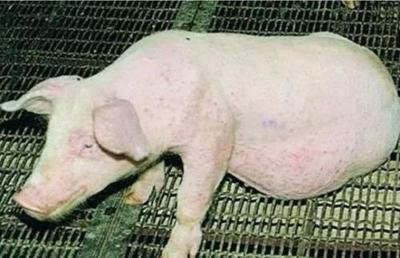
1. Acute symptoms
It is mainly found in newly infected areas and newly infected pigs. The sick pig had difficulty breathing, severe mouth breathing, and obvious abdominal breathing. The number of breaths increased dramatically, reaching 60-120 breaths per minute. The body temperature is generally normal, and the body temperature rises when there is a secondary infection. Appetite is greatly reduced or abandoned, gradually emaciated, the course of disease is generally 1 to 2 weeks, the sick pig often died of asphyxia, the mortality rate is higher.
2, chronic symptoms
From acute to, there are also some sick pigs that are chronic at the beginning and are commonly found in shelf pigs, fattening pigs and reserve sows in old epidemic areas. Long-term cough, the morning before and after eating and strenuous exercise is the most obvious, severe spasmodic cough can occur. There are often varying degrees of dyspnea, increased number of breaths, and abdominal breathing. Sick pig body temperature is not high, but thin, stunted. The course of the disease can be delayed to 2~3 months, some in more than half a year, the fatality rate is not high.
3, recessive symptoms
Can be from acute or chronic transformation, some pigs in good feeding management conditions, the symptoms are not obvious, necropsy visible pneumonia lesions. I occasionally see individual pigs cough, growth and development are generally normal. It is a hidden source of infection in parallel and vertical transmission. When the breeding management is poor, may appear acute or chronic symptoms, and even cause death.
anatomical symptoms
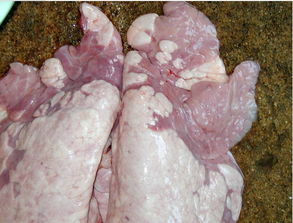
Significant lung lesions, swelling, scuba, gas lung; the lower edge of each lobe of the lung appeared confluent bronchial pneumonia lesions, the boundaries are obvious. From "pork-like change" to "pancreatic change" or "shrimp meat-like change" (the initial visible lesions are red-gray, with fine sections like pork, commonly known as lung meat change, and the later is lavender, dark red, and grayish yellow, (increased tenacity, commonly known as "pancreatic change").
prevention and control
Prevention: injection of cough and asthma vaccine
Medication:
Scheme 1: kexi florfenicol powder licorice (maxingshigan powder)
Scheme 2: kexitimicosin premix licorice (maxingshigan powder)
Scenario 3: (severe) kexi florfenicol powder tevalenin
recommend today.
1, Kexi
2. Florfenicol powder
3. Tilmicosin Premix
4. Tavantin
veterinary drug name]
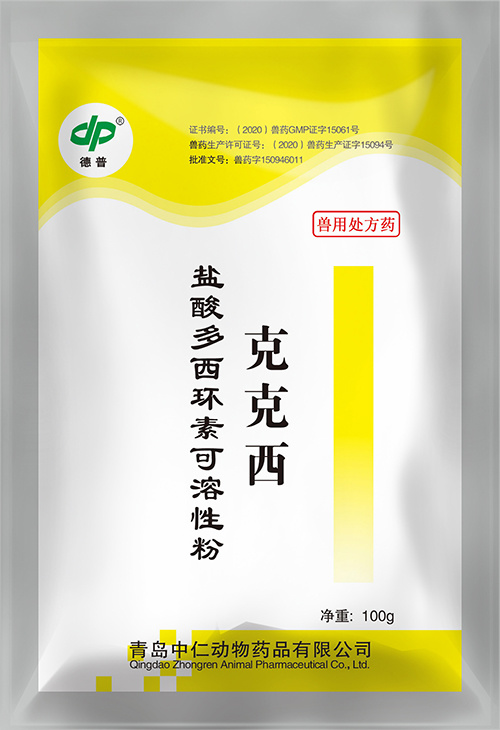
Common Name: Doxycycline Hydrochloride Soluble Powder
commodity name: kexi
main ingredient]Doxycycline Hydrochloride
[Sex shape]]This product is light yellow or yellow crystalline powder.
role and use]Tetracycline antibiotics. For the treatment of pigs, chickens, gram-positive bacteria, negative bacteria caused by Escherichia coli disease, salmonellosis, pasteurelloiella disease and respiratory diseases caused by mycoplasma.
Usage and dosage]Mixed drink: 100g of this product is mixed with 400kg of water for 3-5 days.
adverse reaction]Long-term use can cause superinfection and liver damage.
[Note]](1) the laying period of laying hens is prohibited.
(2) avoid taking with high calcium content feed at the same time.
veterinary drug name]
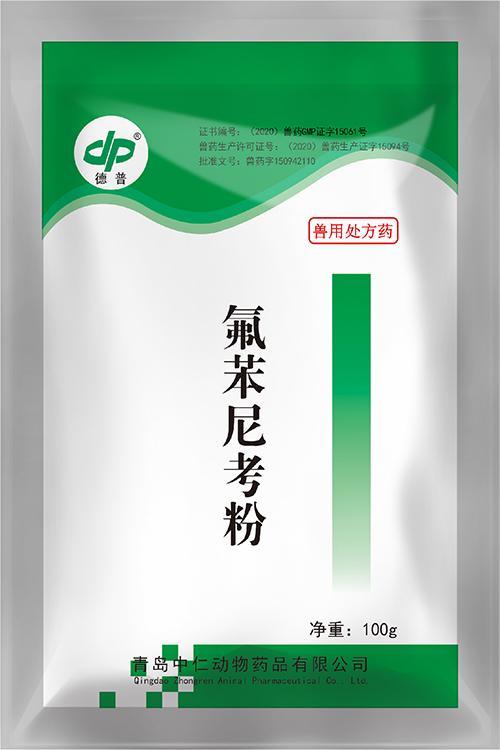
Common Name: Florfenicol Powder
【Main ingredients] florfenicol
character]This product is white or almost white powder.
【role and use]]Amide alcohol antibiotics. It is used for bacterial diseases caused by Pasteuli and E. coli.
Usage and dosage](1) Poultry: 100g of this product is mixed with 200 ㎏ water, and the dosage is calculated according to the amount of drinking water throughout the day. 3~5 days for a course of treatment.
(2) pigs and calves: 0.2g ~ 0.25g/kg body weight, taken orally twice a day for 3~5 days.
adverse reaction](1) This product is higher than the recommend dose when used with a certain immunosuppressive effect.
(2) Embryonic toxicity, pregnancy and lactation livestock with caution.
[Note]](1) the laying period of laying hens is prohibited.
(2) the vaccination period or the immune function of the serious defect of the animal is contraindicated.
(3) animals suffering from renal insufficiency need to be appropriately reduced or extended administration interval.
【Name of veterinary drug]]
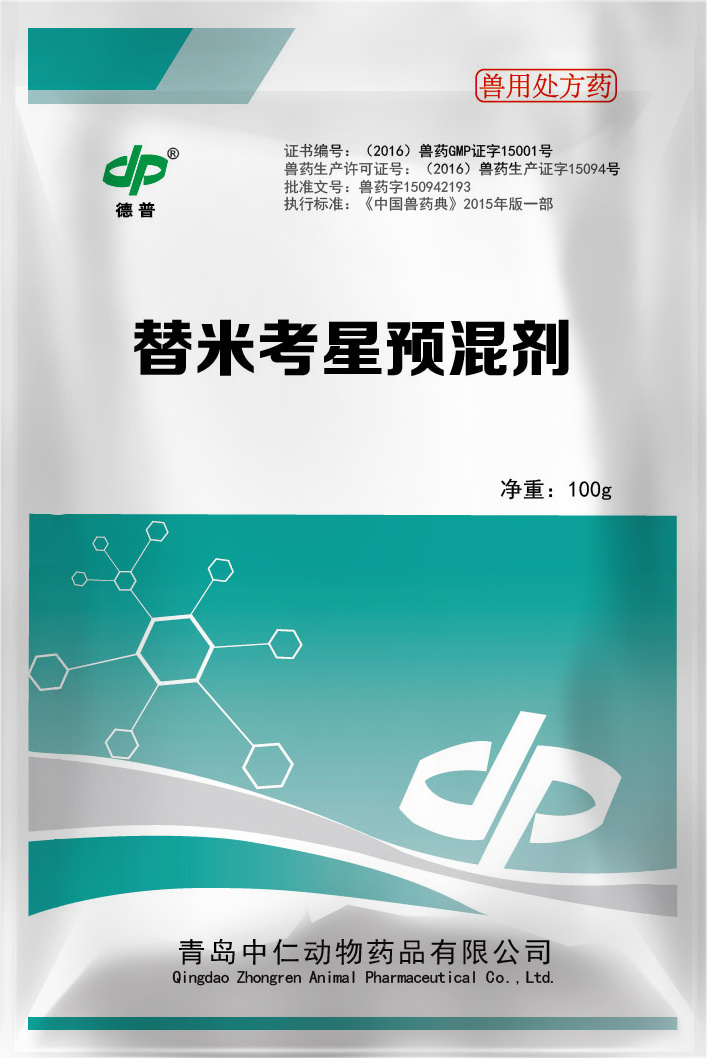
Generic Name: Timicosin Premix
main ingredient]
Timicoxing
character]
This product is a kind of white powder.
role and use]Macrolide antibiotics. It is used to treat Actinobacillus pleuropneumoniae, Pasteuella and mycoplasma infection.
Usage and dosage]With this product. Mixed feeding: 100~200kg per 100g of mixed material. 5-7 days.
adverse reaction](1) The toxic effect of this product on animals is mainly the cardiovascular system, which can cause tachycardia and weakened contractility.
(2) Dose-dependent gastrointestinal disorders, such as vomiting, diarrhea, abdominal pain and so on, often occur in animals after oral administration.
[Note]]Tilmicosin is irritating to the eyes and can cause allergic reactions, avoid direct contact.
veterinary drug name]
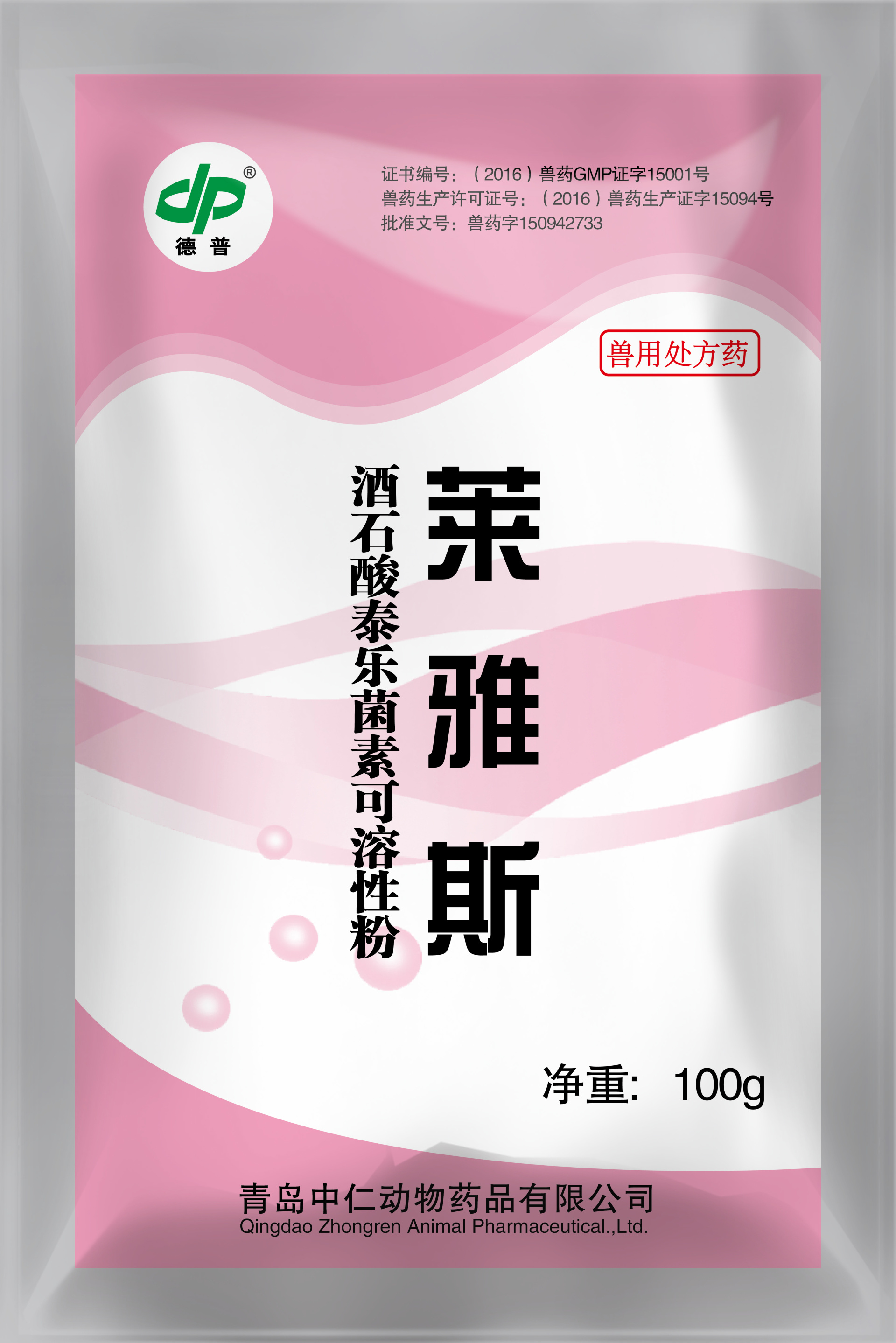
Common Name: Tavanocin Tartrate Soluble Powder
main ingredient]Tylvanectin tartrate
[Sex shape]]This product is white or light yellow powder.
role and use]Antibiotic drugs for mycoplasma infection in chickens.
Usage and dosage]In terms of Tavanocin. Mixed drink: each bottle is 750.00kg with water for 3~5 days.
adverse reaction]According to the prescribed usage and dosage, no adverse reactions have been seen.
[Note]](1) the laying period of laying hens is prohibited.
(2) It should not be used in combination with penicillins.
(3) Non-treated animals avoid contact with this product; avoid direct contact with eyes and skin; operators should wear protective equipment such as masks, glasses and gloves; children are strictly prohibited from contacting this product.
Key words:
Contact Us
Administrative service telephone:0532-85212368
Sales Advisory Phone:0086-532-85212381
E-mail:zhongrenyaoye@126.com
Address: No.6 Road, Jiaoxi Industrial Park, Jiaozhou City, Qingdao, Shandong Province

Qingdao Zhongren Animal Medicine Co., Ltd
Zhongren Aquatic Products