
Common Poultry Diseases in Winter
2022-01-07
Qingdao Zhongren Animal Medicine Co., Ltd
Zhongren kinetic drug
Common Poultry Diseases in Winter
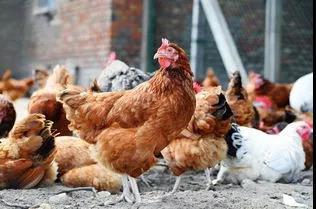
There are many seasonal poultry diseases in winter. Today, we will introduce several common ones for reference.
1. Bird cold
There are two kinds of colds, one is the common cold caused by wind and cold, which is not harmful, not contagious and easy to cure, while the other is our common influenza, which is contagious and difficult to treat, but timely symptomatic treatment can generally be cured.
Prevention and control: when the cold weather or climate is unstable, pay attention to avoid poultry being attacked by wind and cold, and do a good job of cold prevention and warmth preservation, which is the basis for preventing the disease. Once it is found that some poultry have caught a cold, it is necessary to find the cause as soon as possible, see which kind of situation it belongs to, and then carry out symptomatic treatment according to the actual situation. For the treatment of bird colds, Zhongren Kangtai, Panqing Granules or Qiqing Detoxification Granules can be used for mixed feeding or mixed drinking for 4-5 days.
Product Details
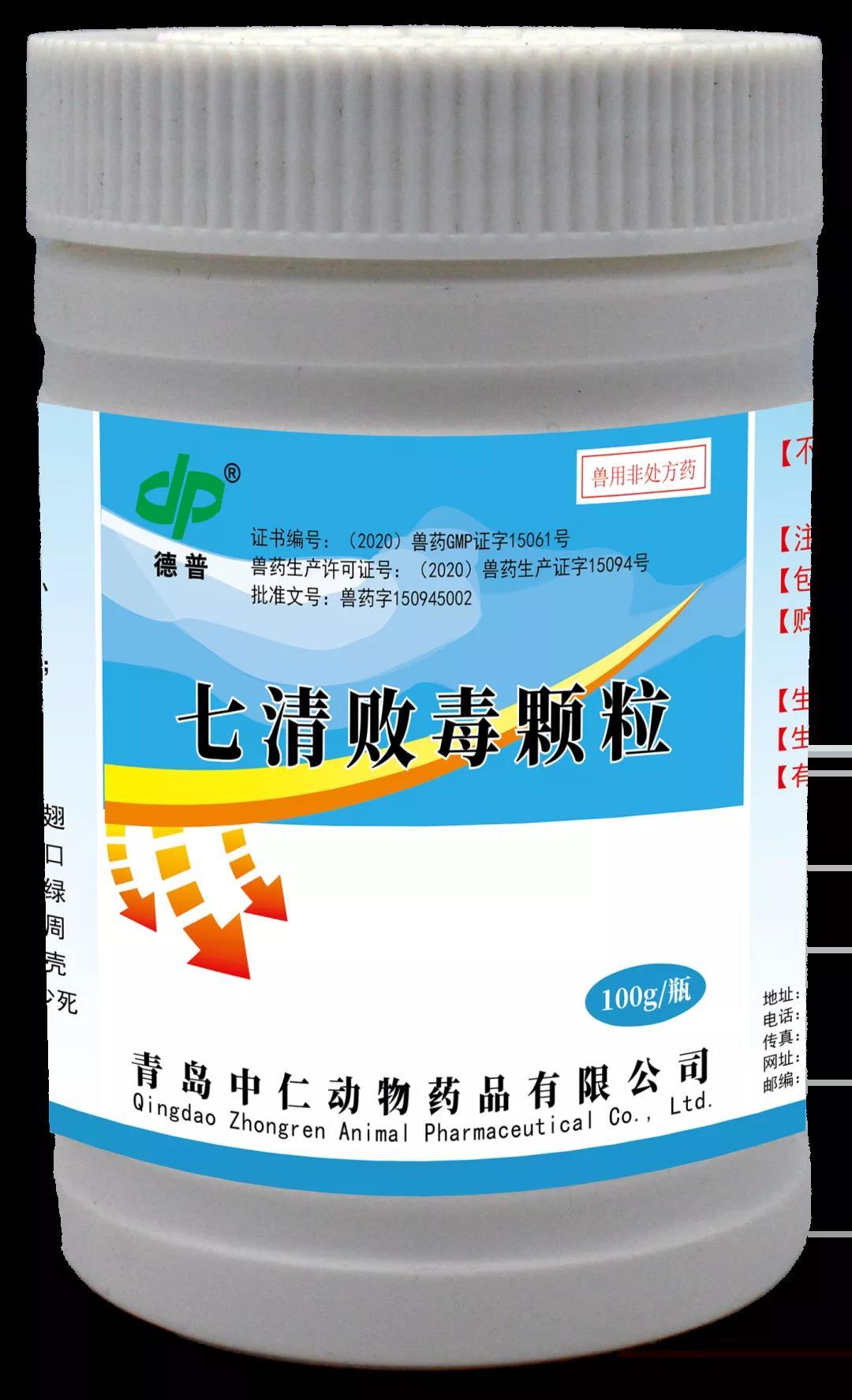
【Name of veterinary drug]]
Common name: Qiqing Detoxification Granules
【Main ingredients] Radix Scutellariae, Polygonum cuspidatum, Pulsatilla chinensis, Sophora flavescens, Radix Isatidis, etc.
【Traits] This product is yellowish brown to tan granules; bitter in taste.
【Function] Clearing away heat and detoxification, drying dampness and stopping diarrhea.
【indications] Damp-heat diarrhea, pullorum disease in chicks.
The evidence shows that fever is afraid of cold, the spirit is depressed, the wings are drooping, the appetite is reduced or abandoned, thirsty and drinking more, white, yellowish or light green feces are discharged, and the feces are adhered around the cloaca. Mouth breathing, death in the shell after 2~3 weeks, more than 3 weeks of age less death.
【Usage and dosage] Mixed drink: 2.5g of poultry per 1L of water.
【Adverse reaction] Used according to the prescribed dose, no adverse reactions have been seen yet.
【Precautions] No regulations.
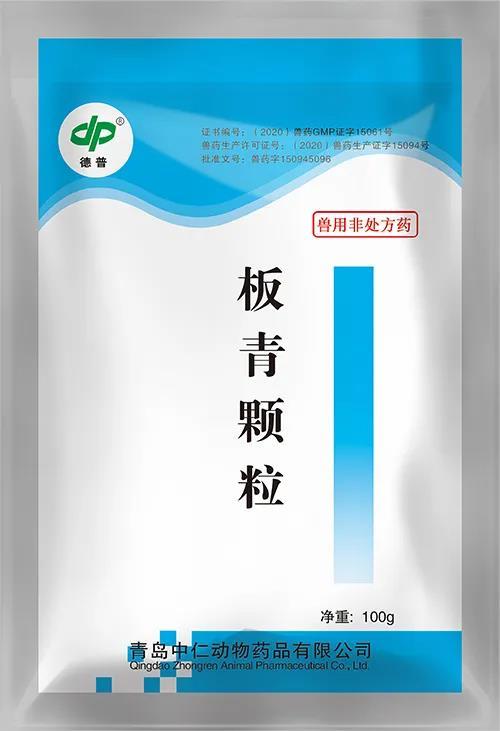
【Name of veterinary drug]]
General name: plate green particles
【Main ingredients] Radix Isatidis, Folium Isatidis.
【Traits] This product is light yellow or yellowish brown granules; sweet and slightly bitter.
【Function] Clearing away heat and detoxification, cooling blood.
【indications] Wind-heat cold, sore throat, fever spots.
The wind-heat cold syndrome shows fever, sore throat, dry mouth and drinking, thin white fur and floating pulse.
Sore and sore throat syndrome see straight head, swallowing unfavorable, mouth salivation.
Fever disease spot syndrome: fever, dizziness, skin and mucous membrane spots, or hematochezia, urine blood, red and crimson tongue, pulse number.
【Usage and dosage] 100g of this product is mixed with 200kg of water for 3-5 days.
【Adverse reaction] Used according to the prescribed dose, no adverse reactions have been seen yet.
【Precautions] No regulations.
2. Avian respiratory disease
The disease is also a common disease in winter. The occurrence of this disease is not only related to temperature and wind cold, but also related to poor air circulation in the house. Therefore, it is necessary to do a good job in these aspects of management to reduce the occurrence of this disease.
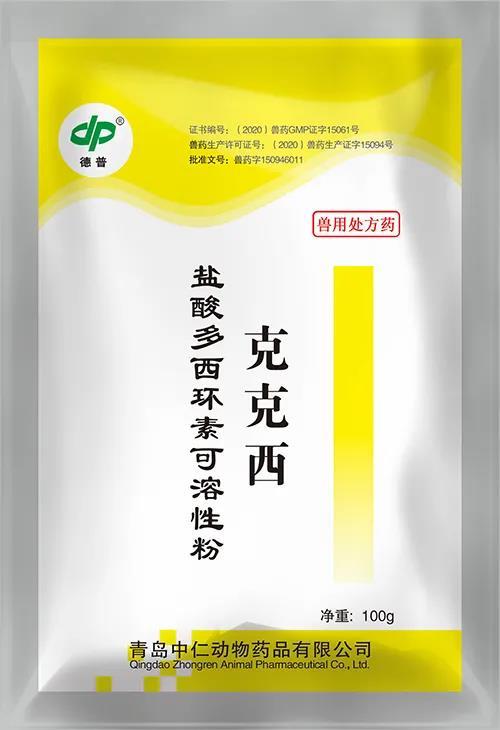
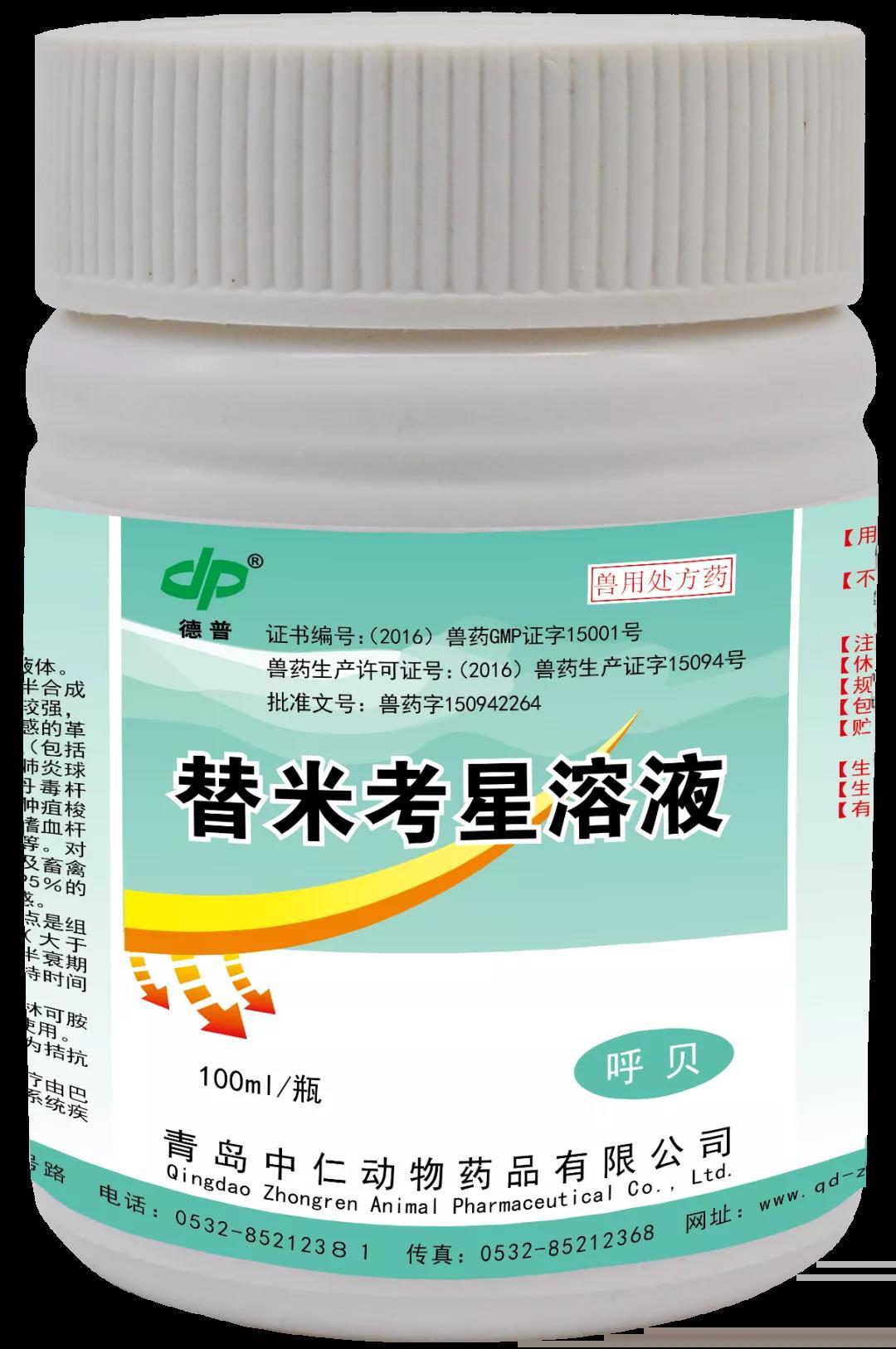
Prevention and treatment: for already sick birds, unblocked, kexi or tilmicosin solution and other drugs for symptomatic treatment.
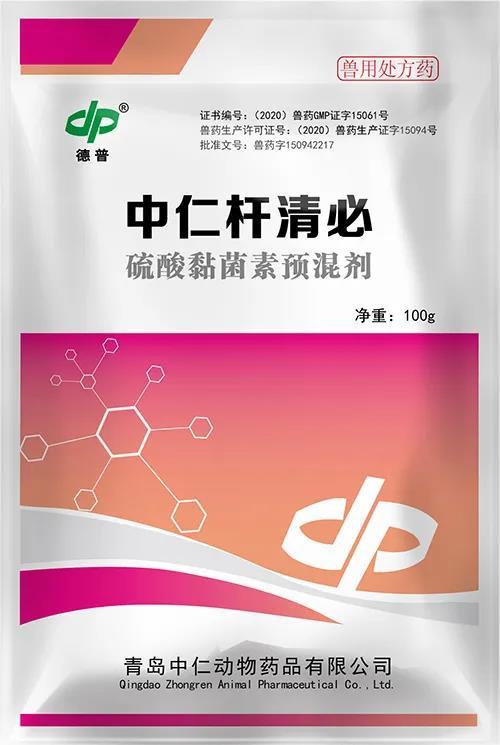
【Name of veterinary drug]]
Common name: colistin sulfate premix
Product Name: Zhongren Gan Qingbi
main ingredient]Colistin
role and use]Peptide antibiotics. It is mainly used for the treatment of intestinal infections in cattle, pigs and chickens caused by sensitive gram-negative bacteria.
Usage and dosage]With this product. Mixed feeding: 0.75~1kg for cattle, pigs and chickens per 1000kg of feed. Use for 3 to 5 days.
adverse reaction]Colistin can be well tolerated by animals when taken orally or locally. Systemic application can cause nephrotoxicity, neurotoxicity and neuromuscular blocking effects. Colistin is less toxic than polymyxin B.
[Note]](1) the laying period of laying hens is prohibited.
(2) the use of overdose may cause renal damage.
(3) This product is rarely absorbed by oral administration and should not be used as a treatment for systemic infectious diseases.
drug withdrawal period]Cow, pig, chicken 7 days.
veterinary drug name]
Common Name: Doxycycline Hydrochloride Soluble Powder
commodity name: kexi
main ingredient]Doxycycline Hydrochloride
[Sex shape]]This product is light yellow or yellow crystalline powder.
role and use]Tetracycline antibiotics. For the treatment of pigs, chickens, gram-positive bacteria, negative bacteria caused by Escherichia coli disease, salmonellosis, pasteurelloiella disease and respiratory diseases caused by mycoplasma.
Usage and dosage]With this product. Mixed drink: 500g of this product is mixed with 2000kg of water for 3~5 days.
adverse reaction]Long-term use can cause superinfection and liver damage.
[Note]](1) the laying period of laying hens is prohibited.
(2) avoid taking with high calcium content feed at the same time.
[Hugh Medicine period]]28.
veterinary drug name]
Generic Name: Tilmicosin Solution
commodity name: hubei
[Main ingredients] tilmicosin
[Character] This product is a light yellow to brown red clear liquid.
[function and use] macrolide antibiotics. It is used for the treatment of chicken respiratory diseases caused by Pasteuella and Mycoplasma.
[Usage and Dosage] Mixed Drink: 0.75ml of chicken per 1L of water. 3 days.
[Adverse reactions] The toxic effects of this product on animals are mainly cardiovascular system, which can cause tachycardia and weakened contractility.
[Note] Laying hens are prohibited during the laying period.
[drug withdrawal period] chicken 12 days.
3. Decreased egg production
In winter, poultry generally have a decline in egg production. This is not the peak season for egg production. As farmers, we need to strengthen the management of egg-laying poultry to maintain good egg production performance.
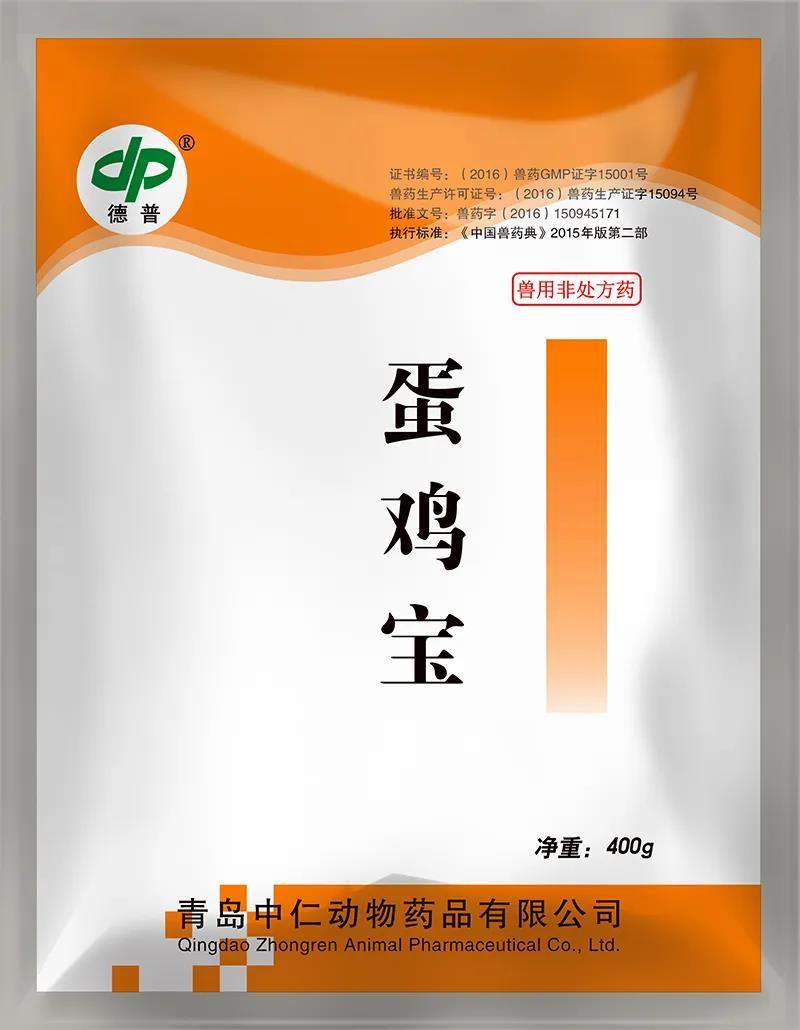
Prevention and control: increase the light, pay attention to adjust the diet, ensure the balance of diet nutrition, do a good job in daily management, in order to prevent the decline of poultry laying. For egg-laying birds with a significant decline in egg production, drugs such as Zhongren Jinwei or egg-laying hens can be used for symptomatic treatment to improve the egg production rate.
veterinary drug name]
Common name: laying hen treasure
main ingredient]Codonopsis pilosula, astragalus, poria cocos, atractylodes, malt, etc.
[Sex shape]]This product is a gray-brown powder; slightly fragrant, sweet and slightly pungent.
【Work Can]]Qi and spleen, kidney and yang.
【Lord Treatment]]It is used to improve the egg production rate and prolong the peak period of egg production.
Usage and dosage]Laying hens, laying ducks, quails, pigeons and breeding birds: mixed feeding, 400g of this product, 500~600kg of mixed material, free to eat.
adverse reaction]According to the prescribed dose of use, no adverse reactions.
[Note]]No regulations.
4. Chicken infectious rhinitis
The symptoms of the disease are generally obvious. If farmers pay attention to it, they can be observed with naked eyes. Sick chickens often have symptoms such as runny nose, sneezing, and facial flushing. Pay attention to distinguish them from colds and respiratory diseases.
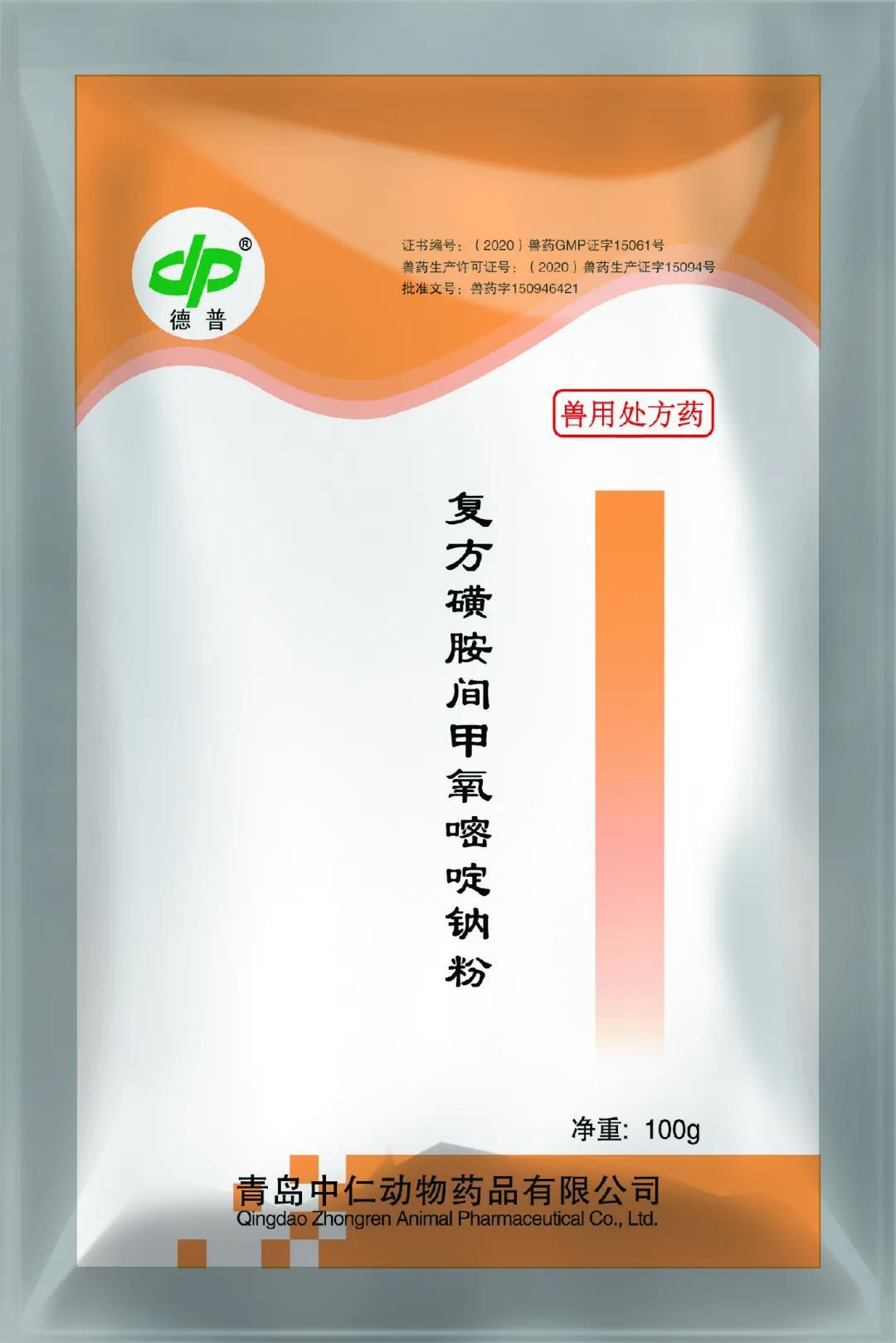
Prevention and control: if we can do a good job in daily feeding management, ensure that the environment in the breeding house is clean and hygienic, the temperature is suitable, and the ventilation is good, and the incidence of the disease can be reduced to a great extent. For chickens that have already developed the disease, compound sulfamonomethoxine sodium can be used for treatment.
veterinary drug name]
Common Name: Compound Sulfamonomethoxine Sodium Powder
main ingredient]Sulfamonomethoxine sodium, trimethoprim
[Sex shape]]This product is white or almost white powder.
【role and use]]Sulfonamides. For sensitive bacteria caused by respiratory tract, gastrointestinal tract, urinary tract infection and coccidiosis, toxoplasmosis, etc.
Usage and dosage] Mixing or drinking water: 1. raccoons, foxes and minks 0.1~0.15 g/kg body weight, I .e. 100g of this product can be used for 500~800 minks or 300~500 fox and raccoon dogs once a day for 3-5 days. 2. Livestock and poultry: 100g of this product is mixed with 100kg of material or 200kg of water for 3-5 days.
【Adverse reaction]]Long-term or heavy use can damage the kidneys and nervous system, affect weight gain, and may cause sulfa poisoning.
【Precautions]](1) Continuous medication should not exceed 1 week.
(2) For long-term use, sodium bicarbonate should be taken at the same time to alkalize urine.
【Hugh Medicine Period]]28.
5. gosling plague
This disease is more common in goslings, and geese are often characterized by low spirits, loss of appetite, diarrhea and high mortality.
Prevention and control: winter breeding gosling must pay attention to strengthen management, necessary to gosling vaccine immunization, prevention of the disease. The disease has a high mortality rate and is difficult to treat, so it focuses on prevention.
6. Infectious serositis of duck
The disease has always been a threat to duck farms, not only high incidence, but also great harm once it occurs. Sick ducks can have neurological symptoms such as listlessness, hunger strikes and movement disorders.
Prevention and control: pay attention to strengthen the management of ducks on weekdays, if necessary, ducks should be inoculated with duck infectious serositis to prevent the disease. For ducks that have been infected with infectious serositis, symptomatic treatment should be carried out in time. Attention should be paid to the drug sensitivity test of ducks first, and then suitable drugs should be selected for treatment.
Key words:
Previous:
Contact Us
Administrative service telephone:0532-85212368
Sales Advisory Phone:0086-532-85212381
E-mail:zhongrenyaoye@126.com
Address: No.6 Road, Jiaoxi Industrial Park, Jiaozhou City, Qingdao, Shandong Province

Qingdao Zhongren Animal Medicine Co., Ltd
Zhongren Aquatic Products