
[First-line case] Effective treatment of swimming crab infected with ciliates
2022-08-25
Qingdao Zhongren Animal Medicine Co., Ltd
Chinese aquatic products
Case Details
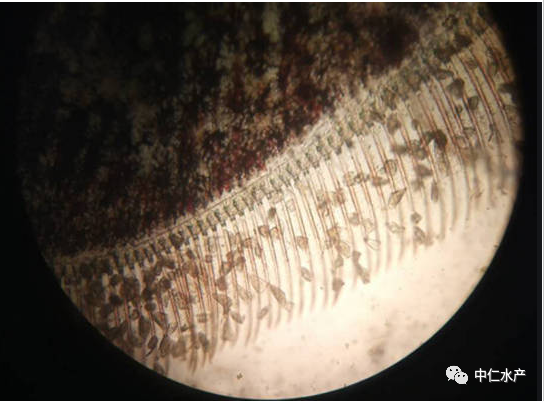
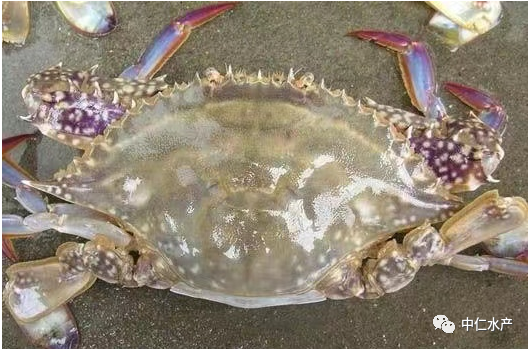
Chen Laoban, a farmer in Huanghua City, has a water surface of 50 mu. Recently, crabs have experienced a decline in food intake. They get up early to meet crabs and lie prone. They move slowly and their bodies are not smooth. Microscopic examination shows that ciliates are attached too much. Algal phase analysis: dinoflagellates, naked algae, green algae; ph 8.6 ammonia nitrogen 0 nitrite 0
Treatment Scheme
Ciliac net3 mu/bottle, next dayBishui Jiedu Ann3 mu/bottle +Weedley.2 mu/bottle, modified to detoxify
Effect feedback
Crabs no longer lie prone, feeding gradually normal
Case analysis
In the later stage of breeding, the temperature gradually cooled down, but many pond ciliates proliferated in large numbers, attached to the crabs' shell, gills, feet and other parts, causing crabs to lose appetite, move slowly, and lack of oxygen while lying down.
Common types of ciliates are: poly shrink worm, bell worm, tired branch worm and so on. After beginning of autumn, the temperature gradually dropped and there was more rain. The lower water temperature of the rain led to water transfer and the increase of suspended solids in the water body, which was easy to cause the breeding of ciliates. At the same time, more and more residual bait feces were accumulated in the later period of cultivation, and the bottom of the pool was seriously organic, which created good conditions for the breeding of ciliate eggs. Therefore, it is very necessary to change the bottom regularly after the temperature decreased in the later period of cultivation.
Key words:
Contact Us
Administrative service telephone:0532-85212368
Sales Advisory Phone:0086-532-85212381
E-mail:zhongrenyaoye@126.com
Address: No.6 Road, Jiaoxi Industrial Park, Jiaozhou City, Qingdao, Shandong Province

Qingdao Zhongren Animal Medicine Co., Ltd
Zhongren Aquatic Products