
How to strengthen the feeding and management of laying hens in spring?
2023-04-22
Qingdao Zhongren Animal Medicine Co., Ltd
Zhongren kinetic drug
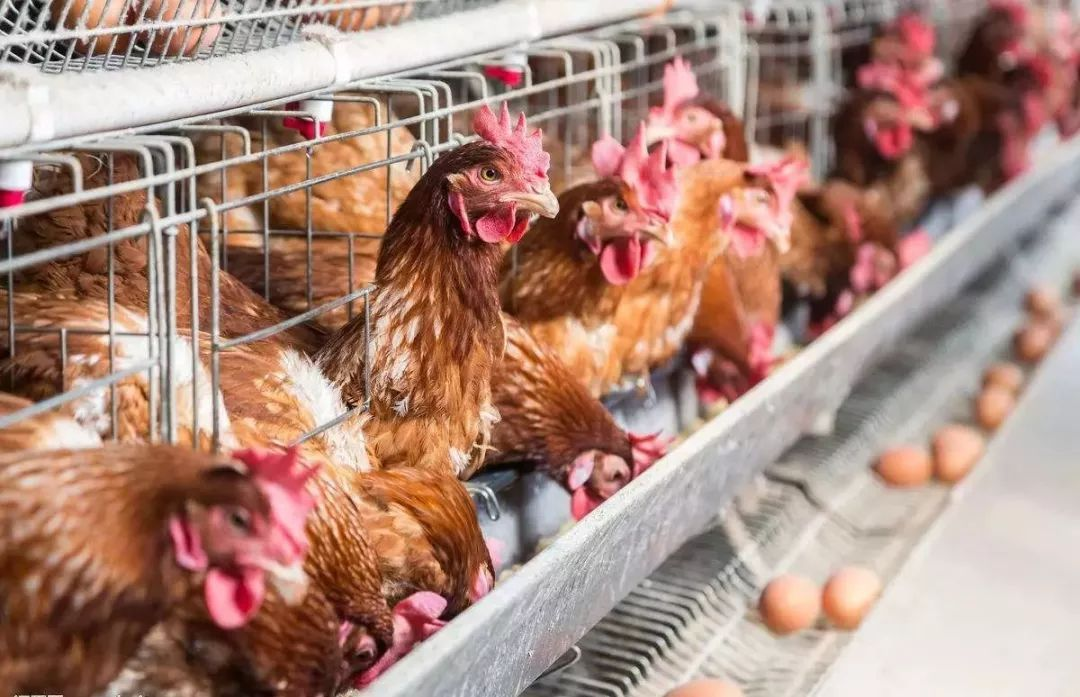
In spring, the temperature is unstable, the temperature difference is large, the stress increases, and the disease occurs frequently. Farmers should strengthen the feeding management, improve the feed utilization rate and egg feed ratio, so as to reduce the breeding cost and improve the breeding income.
1,suitable temperature
Keeping the chicken house at a suitable temperature is necessary to keep the egg production rate stable and improve the feed utilization rate. In early spring, when the temperature is low, the cold protection facilities should be gradually removed according to the specific local conditions, and the temperature of the laying hens house should be maintained as much as possible.10~15Above ℃. it is reported that,15Below ℃, every temperature drop1C, the egg production rate will decline.1.5%,20egg production rate at ℃,26The eggshell becomes thinner above ℃,30The rate of breaking eggs above ℃ increases significantly, and the daily temperature difference between breeding and laying hens should be controlled6within °C.
At the same time, it is also necessary to take into account ventilation. Open doors and windows when the temperature is high at noon every day to exhaust harmful gases. The relative humidity of the chicken house should be maintained60%~70%The carbon dioxide content in the house cannot be higher0.3%Ammonia concentration cannot be lower15~20μL/L.
2、Reasonable light.
During the spring production period, the light should be increased, and the closed chicken coop is generally turned on and off early and late.1Second, it is ideal to use supplementary light in the morning, and the red light effect is better. Laying hens should be early every day5Turn on the lights, late9Turn off the lights to stabilize the lighting time.16hour. Light time to gradually increase, can be in the original8h/don a weekly basis, increasing1h, continuously2After the week, it will be increased every week.0.5h, more17hIt will remain stable later. The open chicken coop relies entirely on natural light, which is insufficient.16hPart of the available artificial light supplement, light intensity.10Lxappropriate. The bulb shall be1~2Wipe it once a week to maintain sufficient illumination. Set the adjustable transformer and install the light time controller to reduce the stress on the chickens.
3. The need for feed
After the spring season, it is necessary to increase the proportion of protein, minerals and vitamins in the feed, increase the salt content in the feed according to the specific situation, and control the energy feed.
As the temperature gradually rises, the energy feed will increase the weight of the chicken, and the egg production rate of the chicken will decrease. It is necessary to reduce the proportion of corn and other grains in chicken feed and reduce metabolic energy in order to improve the egg production rate of chickens.
After the laying hens are opened, the need for protein will increase accordingly, and fish meal and bean cake can be added to the feed. When the egg production rate50%When its protein content should reach15.5%. After each increase in egg production rate10%The digestible protein content in its feed should be increased.0.5%, but not more16.5%Otherwise, it is easy to cause gout.
The lack of calcium in chicken feed will increase the proportion of soft shell eggs and shell-less eggs, and even cause laying hens to peck eggs. Therefore, the content of minerals can be increased4%The phosphorus content of the winter0.5%Raise0.6%. And appropriate to add some mineral feed such as shell powder or mineral feed additives. If the chicken is found to have loss of appetite, pecking feathers, stealing eggs and other phenomena, it is necessary to increase the salt content in the chicken feed in an appropriate amount, but do not add too much, so as not to cause chicken diarrhea.
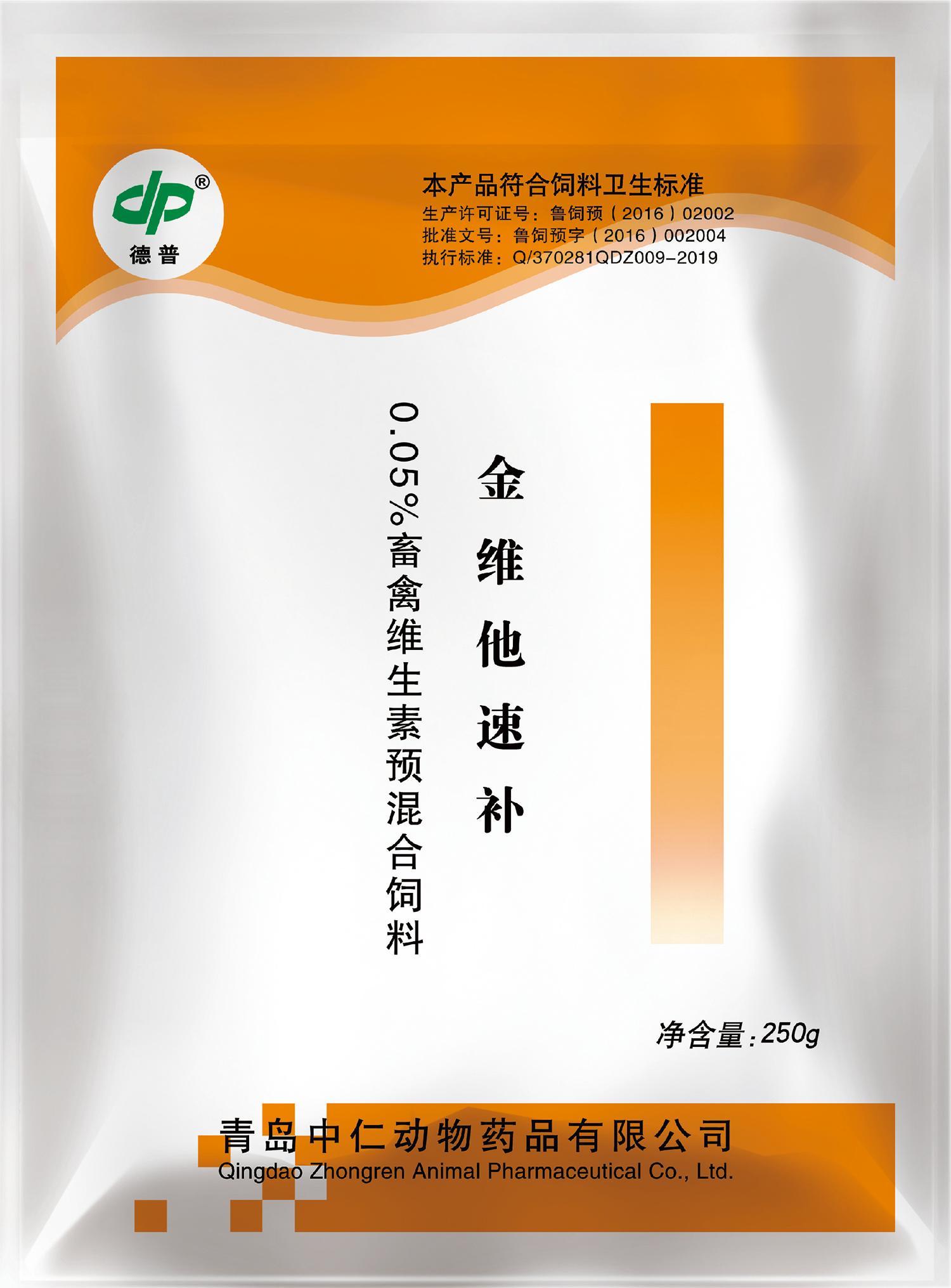
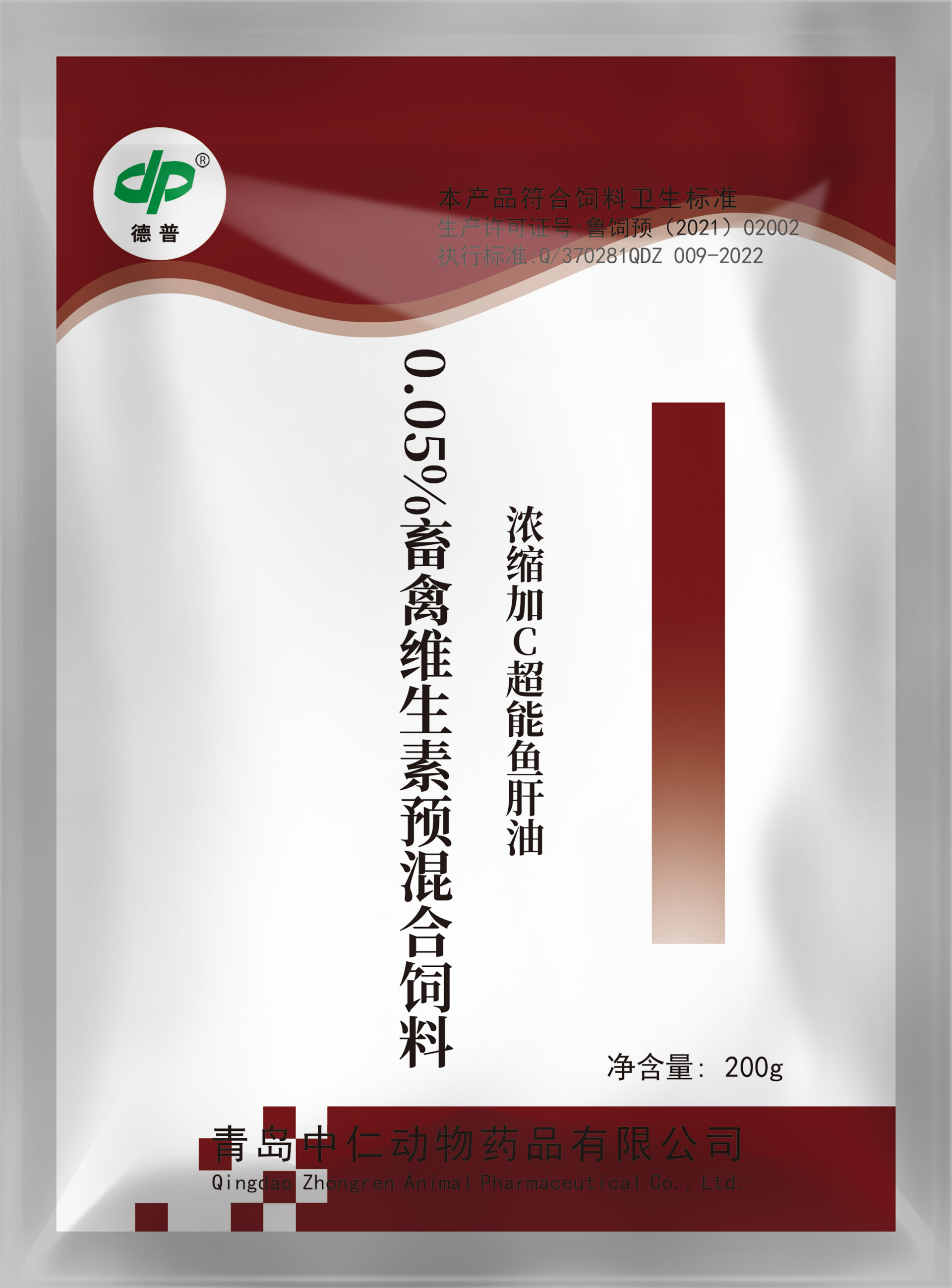
In addition also need to supplement the amount of vitamin, can add in the kernelJin Weihe Quick SupplementorConcentrate and addC cod liver oil.
4. Reduce stress
In spring, the temperature changes greatly, sometimes cold and hot. After a winter, the chickens are in a sub-healthy state, which is easy to induce various diseases. Production management procedures should be standardized, lighting, feeding, egg picking, dung cleaning and other work should be regular, and water supply should be sufficient.
Pay attention to the stress caused by the change of feed. In spring, the temperature rises, the air is humid, and the raw materials in the feed, such as corn and soybean meal, are prone to mildew, which increases the permeability of the intestinal mucosa of the chicken, causing diarrhea in laying hens. With the increase of egg production, the addition of stone powder in the diet of laying hens will also increase. At this time, it should be noted that the addition of stone powder is too much or too fast, resulting in excessive calcium in laying hens, aggravating the burden on the kidneys, causing kidney swelling and eventually diarrhea. Sometimes in order to enhance appetite, to prevent the phenomenon of pecking feathers, pecking anus, etc., in the chicken feed to add too much salt, so that the chicken drinking too much, also often appear strong diarrhea. In addition, the amount of fish meal added is too large or the added fish meal itself contains too much salt, which can easily lead to excessive salt content in the feed, causing diarrhea in laying hens. The addition of soybean meal in the diet increases, stimulates the intestinal tract, accelerates metabolism, chicken manure becomes yellow and thin, feed conversion rate decreases, and high protein content is easy to cause stress on the liver and kidney function of laying hens, resulting in a large amount of uric acid salt deposition and gout.
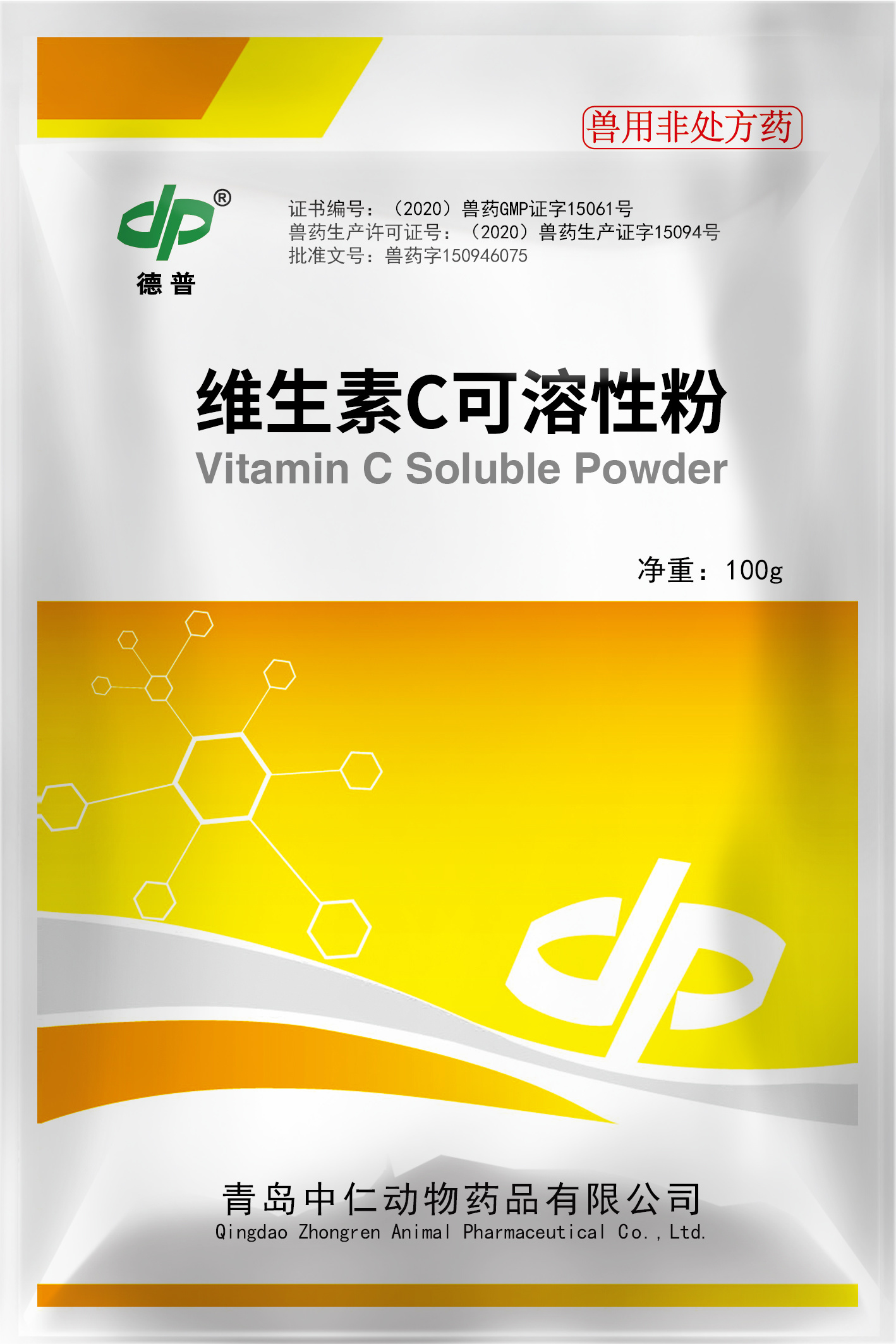
Anti-stress drugs can be added to the diet of laying hens, suchVitaminsCto reduce stress.
5,Do a good job in sanitation and strengthen epidemic prevention
In early spring, there are few diseases. Seize the opportunity to purify the source of the disease. After that, as the temperature rises, insects and microorganisms such as mosquitoes and flies also begin to breed. The climate characteristics at this time are conducive to the spread of diseases. Doing a good job in environmental sanitation and strengthening epidemic prevention should be listed as the focus of daily management. A disinfection tank is set up at the gate of the chicken farm, and the disinfection water is changed every day as far as possible. The whole chicken farm and the chicken coop are thoroughly cleaned and disinfected regularly. Record each layer house, pick out sick, weak, disabled and other non-laying hens, increase the number of egg picking, record the ratio of feed to egg every day, change the diet according to the situation, and do a good job in antibody detection of Newcastle disease. In spring, increase the frequency of dung removal and disinfection times, and carry out preventive immunization.
Key words:
Contact Us
Administrative service telephone:0532-85212368
Sales Advisory Phone:0086-532-85212381
E-mail:zhongrenyaoye@126.com
Address: No.6 Road, Jiaoxi Industrial Park, Jiaozhou City, Qingdao, Shandong Province

Qingdao Zhongren Animal Medicine Co., Ltd
Zhongren Aquatic Products